Biomass powder pneumatic conveying is a critical technology in the processing and handling of biomass materials, which are increasingly used as renewable energy sources and raw materials for various industries. The process involves transporting fine biomass powders through a pipeline using compressed air or other gas streams. This method offers advantages such as high efficiency, low energy consumption, and the ability to handle materials in a dust-free environment. Understanding the operation process and working principle of these systems is essential for optimizing their performance and ensuring reliable material transport.
Key Components of Biomass Powder Pneumatic Conveying Systems
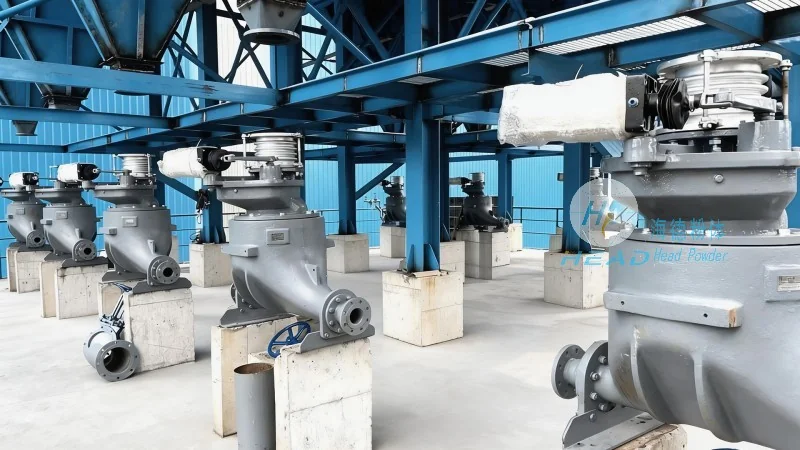
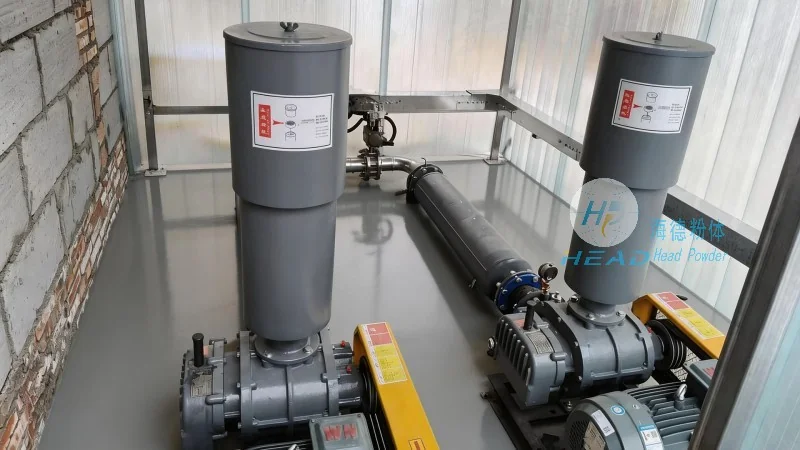
The core components of a biomass powder pneumatic conveying system typically include a material feed hopper, a conveying pipeline, a gas source (usually a blower or compressor), and a discharge device. The material feed hopper is designed to store and meter the biomass powder, ensuring a consistent flow into the system. The conveying pipeline, often made of corrosion-resistant materials like stainless steel or plastic, transports the powder and gas mixture. The gas source provides the necessary pressure and flow rate to move the material through the pipeline. The discharge device, such as a rotary valve or a filter, collects the material at the end of the pipeline, separating it from the gas.
Operation Process of Biomass Powder Pneumatic Conveying
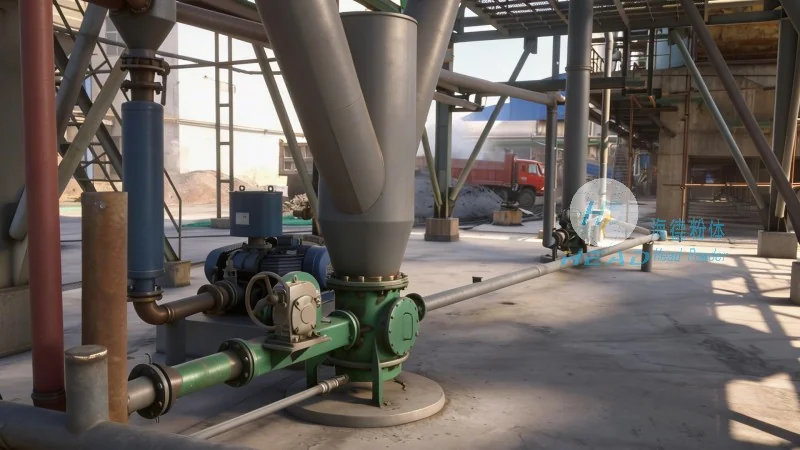
The operation process of a biomass powder pneumatic conveying system can be broken down into several key steps. First, the biomass powder is fed into the material hopper from a storage silo or other feeding equipment. The hopper is equipped with a metering device, such as a screw feeder or a rotary valve, which controls the flow rate of the powder into the conveying line. Next, the gas source, typically a positive displacement blower or a centrifugal fan, generates the required air pressure and flow. The compressed air is introduced into the conveying pipeline at the inlet, where it meets the biomass powder. The powder is then entrained by the gas stream and carried through the pipeline to the discharge point. At the discharge end, the gas and powder mixture passes through a separator, such as a cyclone or a filter, which separates the powder from the air. The separated powder is collected in a receiving hopper or container, while the air is either vented to the atmosphere or recycled back to the system for energy efficiency.
Working Principle of Biomass Powder Pneumatic Conveying
The working principle of biomass powder pneumatic conveying is based on the principle of fluidization and drag. When compressed air is introduced into the conveying pipeline, it creates a low-pressure zone that draws the biomass powder into the gas stream. The air flow provides the necessary momentum to lift and transport the powder particles. The drag force between the gas and the powder particles is the primary mechanism that moves the material through the pipeline. The velocity of the gas and the size of the powder particles determine the efficiency of the conveying process. For fine biomass powders, higher gas velocities are often required to achieve effective transport. The system must be designed to maintain a stable flow of both gas and powder to prevent blockages or uneven material distribution.
Advantages of Biomass Powder Pneumatic Conveying
Biomass powder pneumatic conveying offers several advantages over traditional mechanical conveying methods. One of the main benefits is the ability to handle fine and abrasive materials without causing wear and tear on the equipment. The system is also suitable for transporting materials in a dust-free environment, which is crucial for maintaining product quality and worker safety. Additionally, pneumatic conveying systems can be designed for long-distance transport, making them ideal for large-scale biomass processing facilities. The process is relatively simple and requires less maintenance compared to other conveying methods, reducing operational costs. Furthermore, the system can be easily integrated with other processing equipment, such as grinding or drying units, to form a complete production line.
Applications in Biomass Processing
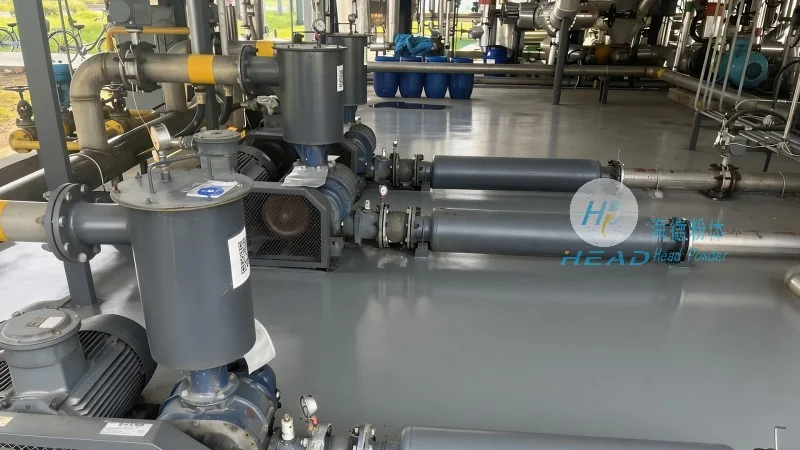
Biomass powder pneumatic conveying is widely used in various applications within the biomass processing industry. In biofuel production, the system is used to transport biomass powders from storage to the reactor or combustion chamber. In the production of biomass-based chemicals, the material is conveyed to the processing units for further treatment. The technology is also applied in the manufacturing of biomass-based materials, such as particle boards or pellets, where the powder is transported to the mixing or extrusion equipment. The versatility of the system makes it suitable for different types of biomass materials, including wood chips, agricultural residues, and energy crops.
Company Profile: Shandong HeadPowder Engineering Co., Ltd.
Shandong HeadPowder Engineering Co., Ltd., commonly known as headpowder, is a leading manufacturer and supplier of biomass powder pneumatic conveying systems. The company specializes in designing and manufacturing customized conveying solutions for various industrial applications. With a focus on innovation and quality, headpowder has developed advanced technologies to optimize the performance of pneumatic conveying systems. The company's products are known for their high efficiency, reliability, and durability, meeting the demanding requirements of the biomass processing industry. Headpowder's team of engineers and technicians provides comprehensive support, from system design and installation to maintenance and troubleshooting. The company's commitment to customer satisfaction and technological advancement has made it a trusted partner for many biomass processing facilities worldwide.




