Hydraulic lime, also known as slaked lime or calcium hydroxide, is a widely used chemical in various industrial applications, including construction, water treatment, and chemical manufacturing. The efficient and reliable transportation of this material from storage to processing units is crucial for maintaining production efficiency and minimizing operational costs. Pneumatic conveying systems have emerged as a preferred method for handling hydraulic lime due to their ability to transport powders in a closed system, ensuring safety, cleanliness, and environmental compliance. This article provides a detailed overview of the operation process and working principle of hydraulic lime pneumatic conveying systems, highlighting the key components, operational steps, and benefits associated with this technology.
Working Principle of Hydraulic Lime Pneumatic Conveying Systems
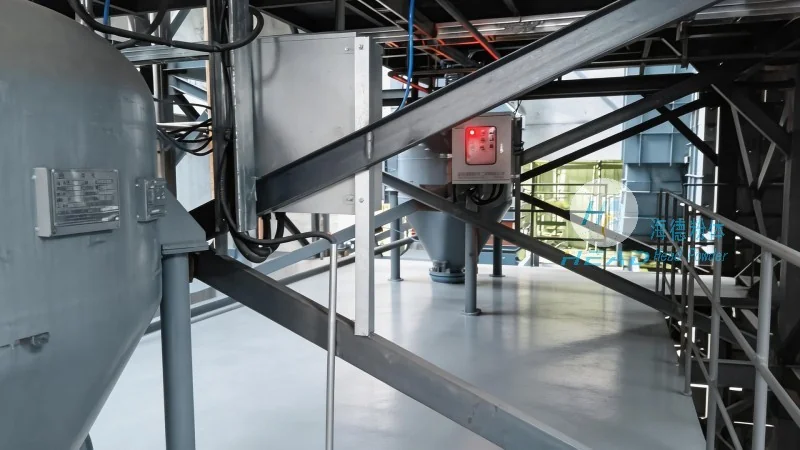
The core of a pneumatic conveying system for hydraulic lime is the creation of a controlled airflow that propels the powder through a network of pipes. The system operates on the principle of differential pressure, where air is introduced into the conveying line at a pressure higher than the ambient air pressure, generating a flow that moves the material. There are two primary types of pneumatic conveying systems: pressure and vacuum. Pressure systems use positive pressure to push the material from the source to the destination, while vacuum systems use negative pressure to pull the material. For hydraulic lime, which is typically handled in bulk quantities, pressure systems are more commonly employed due to their higher capacity and ability to handle longer distances and multiple transfer points.
Key Components in Hydraulic Lime Pneumatic Conveying
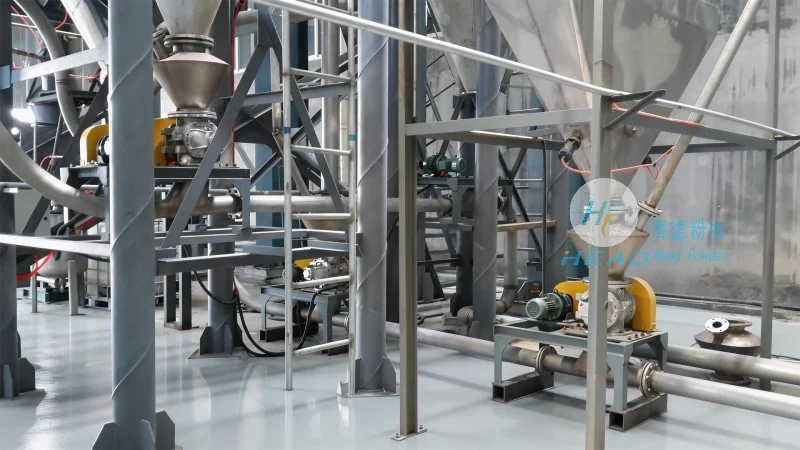
Several critical components work in tandem to ensure the smooth operation of a pneumatic conveying system for hydraulic lime. These include the material feeder, which controls the flow rate of the powder into the system; the air compressor or blower, which generates the necessary pressure or vacuum; the conveying line, which transports the material and air mixture; the separator, which separates the material from the air at the receiving end; and the dust collector, which captures any fine particles to prevent environmental contamination. The material feeder is often a rotary valve or a screw feeder, designed to handle the bulk density and flow characteristics of hydraulic lime without clogging. The air compressor must be capable of delivering the required air volume and pressure, typically ranging from 4 to 8 bar for pressure systems. The conveying line is usually made of stainless steel or other corrosion-resistant materials to withstand the chemical properties of hydraulic lime and prevent degradation over time.
Operation Process of Hydraulic Lime Pneumatic Conveying
The operation process of a hydraulic lime pneumatic conveying system involves several sequential steps. First, the hydraulic lime is stored in a bulk storage silo or hopper. The material feeder then draws the powder from the storage and feeds it into the conveying line at a controlled rate. Simultaneously, the air compressor supplies compressed air to the system, creating a pressure differential that propels the material forward. As the material travels through the pipes, it is mixed with the air, forming a slurry-like mixture that moves efficiently. At the destination, the separator separates the hydraulic lime from the air, allowing the material to be discharged into a receiving hopper or storage tank. The separated air is then filtered by the dust collector to remove any residual particles before being released back into the environment. This closed-loop system ensures that the material is transported without exposure to external contaminants and that the air is cleaned before discharge.
Advantages of Pneumatic Conveying for Hydraulic Lime
Pneumatic conveying offers several advantages over traditional methods such as bucket elevators or belt conveyors for transporting hydraulic lime. One of the primary benefits is the ability to handle the material in a completely enclosed system, which minimizes dust emissions and prevents contamination from external sources. This is particularly important for hydraulic lime, which can be hygroscopic and reactive with moisture or air. Additionally, pneumatic systems can transport the material over longer distances and through multiple transfer points without the need for intermediate storage or manual handling. The system also allows for precise control over the flow rate and pressure, ensuring consistent material delivery to downstream processes. Furthermore, the enclosed nature of the system enhances safety by preventing the release of hazardous dust or fumes, which is crucial in industrial environments where hydraulic lime may be used in conjunction with other chemicals.
Application Scenarios and Practical Considerations
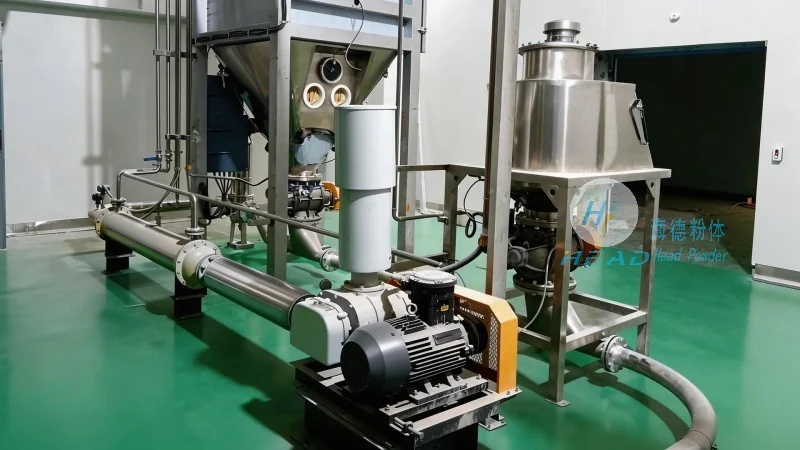
Hydraulic lime pneumatic conveying systems are widely used in various industrial settings, including cement plants, water treatment facilities, and chemical manufacturing plants. In cement production, hydraulic lime is often used as a raw material or a component in the production of Portland cement, and pneumatic conveying allows for efficient transport from storage to the mixing and grinding units. In water treatment, hydraulic lime is used for pH adjustment and coagulation processes, and the system ensures that the material is delivered to the treatment tanks without loss or contamination. Practical considerations when implementing a pneumatic conveying system for hydraulic lime include the selection of appropriate materials for the conveying line to resist corrosion from the lime, the design of the system to handle the bulk density and flow characteristics of the material, and the maintenance of the equipment to ensure long-term reliability. Regular cleaning and inspection of the separator and dust collector are also essential to maintain system efficiency and prevent clogging or performance degradation.
Company Profile: Shandong HeadPowder Engineering Co., Ltd.
Shandong HeadPowder Engineering Co., Ltd., commonly known as HeadPowder, is a leading manufacturer and supplier of pneumatic conveying systems and related equipment for bulk material handling. With a strong focus on innovation and quality, HeadPowder has established itself as a trusted partner in the chemical and industrial sectors. The company specializes in designing and manufacturing customized pneumatic conveying solutions tailored to the specific needs of clients, including those handling hydraulic lime and other sensitive powders. HeadPowder's products are known for their durability, efficiency, and compliance with international safety and environmental standards. The company's headquarters is located in Shandong, China, where it leverages its local expertise and manufacturing capabilities to deliver high-quality solutions to customers worldwide. With a commitment to customer satisfaction and technological advancement, HeadPowder continues to play a vital role in improving the efficiency and sustainability of bulk material handling processes.




