Feed pneumatic conveying equipment is a critical component in modern animal feed production and processing facilities. It plays a vital role in efficiently transporting bulk feed materials from storage silos or processing units to feeding points, silos, or packaging areas. The technology ensures a reliable, hygienic, and low-maintenance method of material handling, which is essential for maintaining product quality and operational efficiency in feed mills. As a leading manufacturer, Shandong HeadPowder Engineering Co., Ltd. specializes in providing high-quality pneumatic conveying systems tailored to the unique needs of the feed industry.
Key Components of Pneumatic Conveying Systems
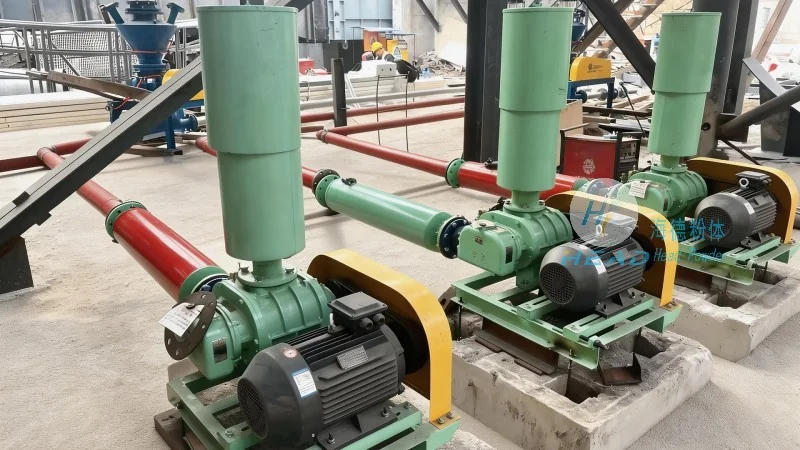
The operation of a pneumatic conveying system relies on a combination of key components that work in harmony to achieve effective material transport. These components include the feed hopper or inlet, where bulk feed is introduced into the system; the conveyor line, which can be designed as either a positive pressure or negative pressure system; the air compressor or vacuum pump, which generates the necessary airflow to move the feed; and the discharge outlet, where the material is deposited at the destination. Additional components such as filters, cyclones, and silencers are integrated to enhance system performance and safety. For instance, filters prevent dust from escaping into the environment, while cyclones separate fine particles from the feed stream. The company’s engineers design these components to ensure durability and efficiency, using materials that resist corrosion and wear from frequent use. The overall system is controlled by a network of valves, sensors, and a central control panel, allowing for precise regulation of flow rates and pressure levels to optimize performance.
Operation Process of Pneumatic Conveying
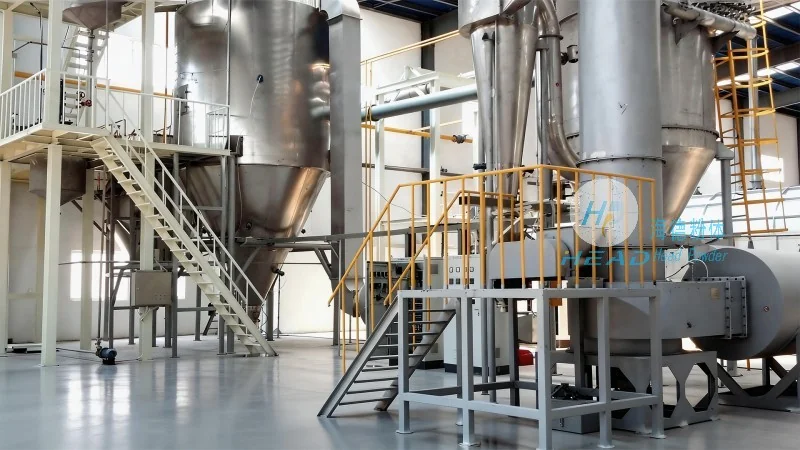
The operation process of feed pneumatic conveying typically involves a series of sequential steps that ensure smooth and continuous material transport. First, the feed material is loaded into the hopper, where it is held in a consistent and controlled manner. The hopper is equipped with a feeder mechanism, such as a rotary valve or screw feeder, which regulates the flow of feed into the system. Next, the air compressor or vacuum pump is activated, generating the required airflow. In positive pressure systems, the compressor forces air into the conveyor line, creating a pressure differential that pushes the feed material forward. The feed is then entrained by the air stream and carried through the pipeline. As the material travels, it may pass through a filter or cyclone to remove any fine particles or debris, ensuring the purity of the feed. The system’s control panel monitors the pressure and flow rates, adjusting the air volume as needed to maintain optimal conveying conditions. Finally, the feed is discharged at the destination point, such as a silo or packaging machine. The entire process is automated, reducing the need for manual intervention and minimizing the risk of human error. This automation also allows for real-time monitoring and adjustment, ensuring that the system operates efficiently and safely. The company’s systems are designed with advanced control technology, enabling operators to easily manage and optimize the conveying process.
Working Principle of Pneumatic Conveying
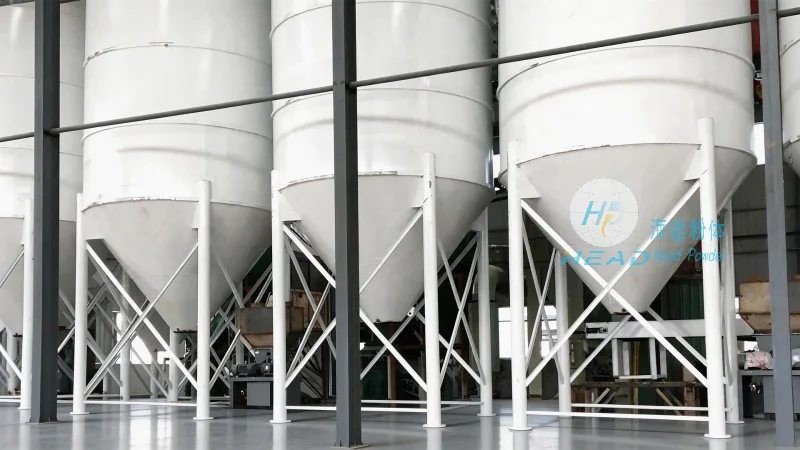
The working principle of pneumatic conveying is based on the physical interaction between the feed material and the air flow. In positive pressure systems, the air compressor creates a higher pressure in the conveyor line compared to the ambient environment, which propels the feed material forward. The feed particles are suspended in the air stream, and the velocity of the air determines the conveying capacity. The system’s design, including the diameter of the pipeline and the air velocity, is critical to achieving efficient transport. For example, a larger pipeline diameter allows for higher flow rates but may require more air volume, while a smaller diameter reduces energy consumption but limits capacity. In negative pressure systems, a vacuum pump creates a low-pressure environment, drawing the feed material into the system. The feed is then carried by the air flow to the discharge point. The efficiency of the system depends on factors such as the feed’s bulk density, particle size distribution, and moisture content. Shandong HeadPowder Engineering Co., Ltd. conducts thorough material analysis to determine the optimal system configuration for each application, ensuring that the conveying process is efficient and cost-effective. The company’s systems are engineered to handle a wide range of feed types, from fine powders to coarse pellets, with minimal loss or degradation.
Advantages of Pneumatic Conveying in Feed Handling
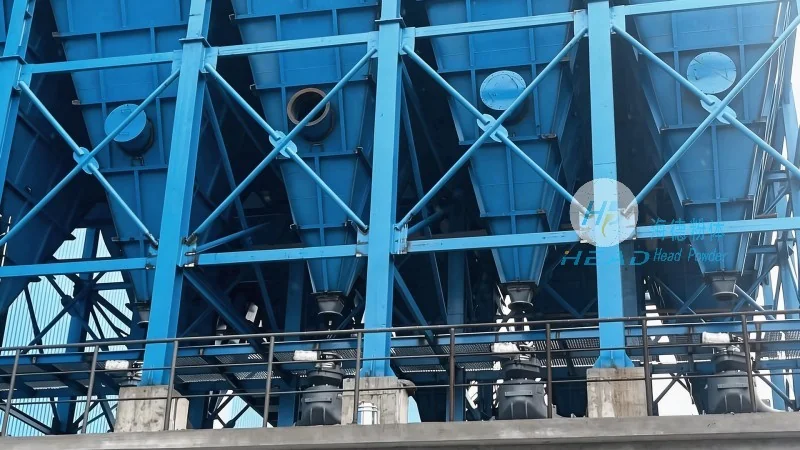
Pneumatic conveying offers several distinct advantages over traditional mechanical conveying methods, making it the preferred choice for many feed mills. One of the most significant benefits is the hygienic and dust-free operation, which helps maintain the quality and safety of the feed. Unlike mechanical systems that may cause friction and generate dust, pneumatic conveying keeps the feed enclosed within the system, reducing the risk of contamination from external sources. This is particularly important for animal feed, where hygiene is paramount to prevent the spread of diseases. Another advantage is the flexibility and adaptability of the system. Pneumatic conveying can be easily reconfigured to accommodate changes in production processes or feed types, allowing feed mills to scale their operations without significant capital investment. The company’s systems are modular, enabling customers to add or remove components as needed to meet evolving requirements. Additionally, pneumatic conveying systems are more energy-efficient compared to mechanical systems, especially when transporting materials over longer distances. The reduced energy consumption translates to lower operational costs and a smaller environmental footprint. Shandong HeadPowder Engineering Co., Ltd. emphasizes these advantages in its product design, providing feed mills with reliable and efficient solutions that enhance productivity and product quality.




