Coal and coke are essential raw materials in various industrial sectors, including steel production, power generation, and chemical manufacturing. The efficient and reliable transportation of these bulk materials is crucial for maintaining smooth production lines and optimizing operational costs. Pneumatic conveying systems have emerged as a preferred solution for handling coal and coke due to their ability to transport materials over long distances, minimize dust emissions, and enhance safety in industrial environments. This article provides a detailed overview of the operation process and working principle of coal and coke pneumatic conveying equipment, highlighting the key components, operational steps, and technical considerations involved. As a leading manufacturer in the field, Shandong HeadPowder Engineering Co., Ltd. specializes in designing and manufacturing high-quality pneumatic conveying systems tailored to the specific needs of coal and coke handling applications.
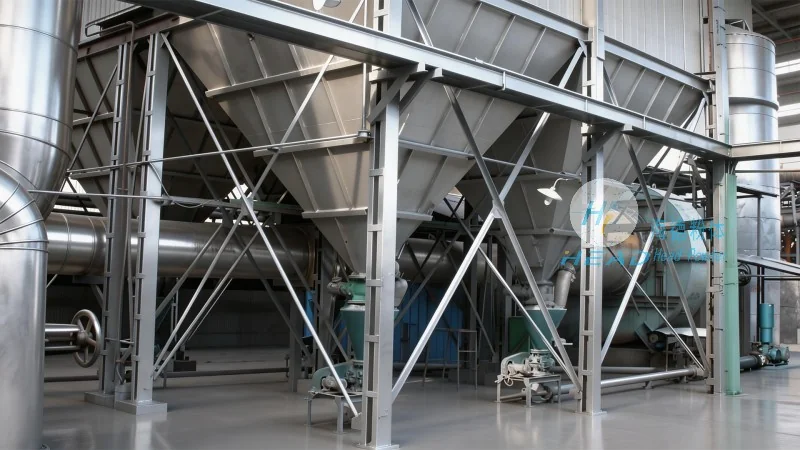
Key Components of Pneumatic Conveying Systems
Coal and coke pneumatic conveying systems typically consist of several critical components that work in tandem to achieve effective material transport. The primary components include the hopper (or feeder), the air compressor or blower, the conveying line (usually made of metal or plastic pipes), the control system, and the discharge device. The hopper is responsible for storing and feeding the coal or coke into the system, ensuring a consistent flow of material. The air compressor or blower generates the necessary air pressure to move the material through the conveying line. The conveying line is designed to withstand the pressure and material flow, with appropriate fittings and valves to control the direction and speed of the material. The control system monitors and regulates the air pressure, flow rate, and material feed rate to maintain optimal operation. The discharge device, such as a rotary valve or a dust collector, collects the material at the end of the conveying line, preventing dust and ensuring clean discharge.
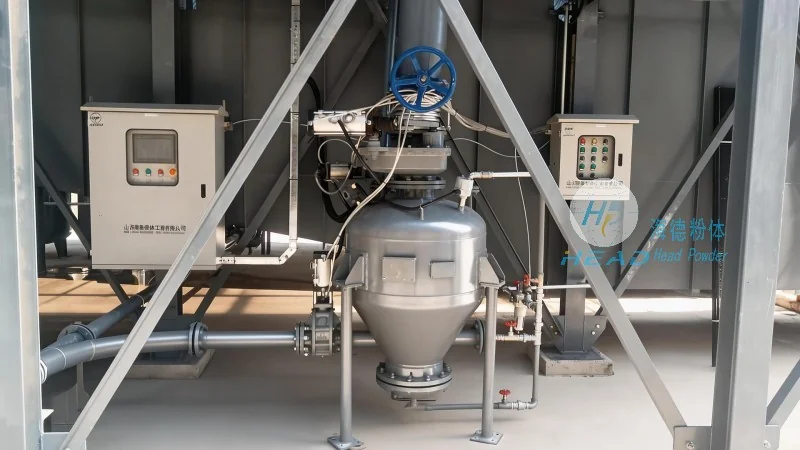
Operation Process of Coal and Coke Pneumatic Conveying
The operation process of coal and coke pneumatic conveying involves several sequential steps that ensure the smooth and efficient transport of materials. The process begins with the loading of coal or coke into the hopper. The feeder then regulates the flow of material from the hopper into the conveying line. Simultaneously, the air compressor or blower starts operating, generating the required air pressure. The air and material mixture is then propelled through the conveying line towards the discharge point. At the receiving end, the material is separated from the air using a dust collector or other separation equipment. The separated material is then discharged into the target storage or processing area. The control system continuously monitors the pressure, flow rate, and material level to adjust the operation parameters as needed, ensuring stable and consistent transport. This process can be either positive pressure or negative pressure, depending on the system design and application requirements. Positive pressure systems use compressed air to push the material, while negative pressure systems use suction to draw the material.
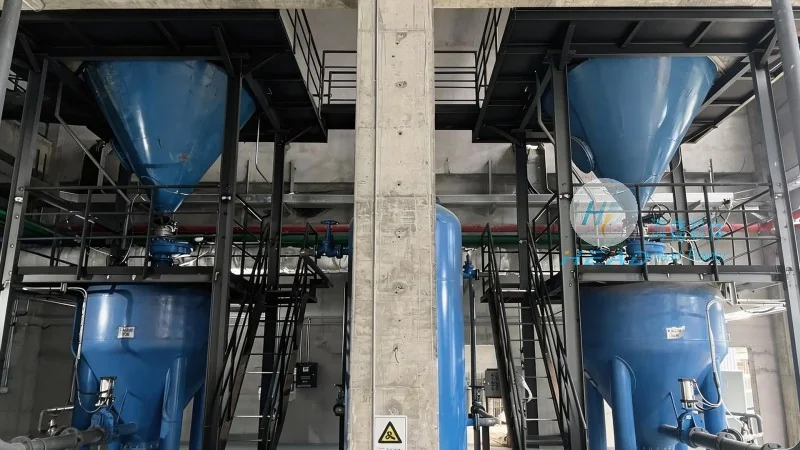
Working Principle of Pneumatic Conveying
The working principle of coal and coke pneumatic conveying is based on the use of air to transport bulk materials. The system operates by creating a pressure differential between the hopper and the discharge point. In positive pressure systems, the air compressor supplies compressed air into the conveying line, which forces the material to move forward. The air and material are mixed in the hopper, and the mixture is then carried through the pipe by the air flow. The velocity of the air in the pipe must be sufficient to overcome the gravitational force and frictional resistance of the material, ensuring that the material is suspended and transported effectively. In negative pressure systems, the blower creates a vacuum in the conveying line, which draws the material from the hopper. The material is then carried by the air flow towards the discharge point. The separation of material and air occurs at the receiving end, where the material is collected and the air is either recirculated or discharged. The efficiency of the pneumatic conveying system depends on factors such as the air velocity, material properties (density, particle size, moisture content), and system design (pipe diameter, length, and layout). Proper design and maintenance of the system are essential to ensure optimal performance and minimize operational issues.
Applications and Benefits of Coal and Coke Pneumatic Conveying
Coal and coke pneumatic conveying systems are widely used in various industrial applications due to their versatility and efficiency. They are commonly employed in steel mills for transporting raw coal and coke from storage to the blast furnace, in power plants for conveying coal to the boiler, and in chemical plants for handling coke and other bulk materials. The benefits of using pneumatic conveying systems for coal and coke include reduced dust emissions, improved safety (as the material is contained within the system), lower labor costs (due to automated operation), and the ability to transport materials over long distances without the need for intermediate storage or handling. Additionally, pneumatic conveying systems can handle materials with varying properties, such as different particle sizes, moisture contents, and abrasiveness, making them suitable for a wide range of applications. The system's ability to operate in a closed environment also helps in maintaining environmental standards and reducing the risk of material contamination.
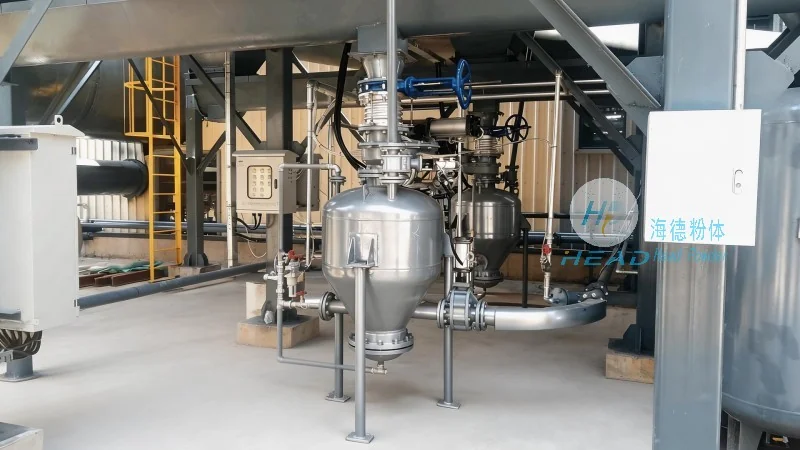
Technical Considerations and Maintenance
When designing and operating coal and coke pneumatic conveying systems, several technical considerations must be taken into account to ensure optimal performance and longevity. The selection of the appropriate air velocity is critical, as it directly affects the material transport efficiency and system pressure drop. The air velocity must be high enough to suspend the material particles but not so high as to cause excessive wear on the system components. The pipe diameter and length also play a significant role in determining the system's performance, as longer or larger diameter pipes may require higher air pressure or velocity to maintain effective transport. The material properties, such as particle size distribution, density, and moisture content, must be considered to ensure that the system is designed to handle the specific characteristics of the coal or coke. Regular maintenance of the system is essential to prevent operational issues and ensure reliability. This includes checking and replacing worn components, cleaning the hopper and conveying line to prevent material buildup, and monitoring the air pressure and flow rate to detect any abnormalities. Proper maintenance can extend the life of the system and reduce downtime, leading to lower operational costs and higher productivity.




