HeadPowder, a leading manufacturer based in Shandong, China, specializes in the design and production of advanced pneumatic conveying systems for various industrial applications. The equipment is specifically engineered to handle sodium chloride efficiently, ensuring reliable and safe material transport in industrial settings. This article provides a detailed overview of the operation process and working principles of such equipment, highlighting its key components, operational procedures, and the technology behind its effective performance.
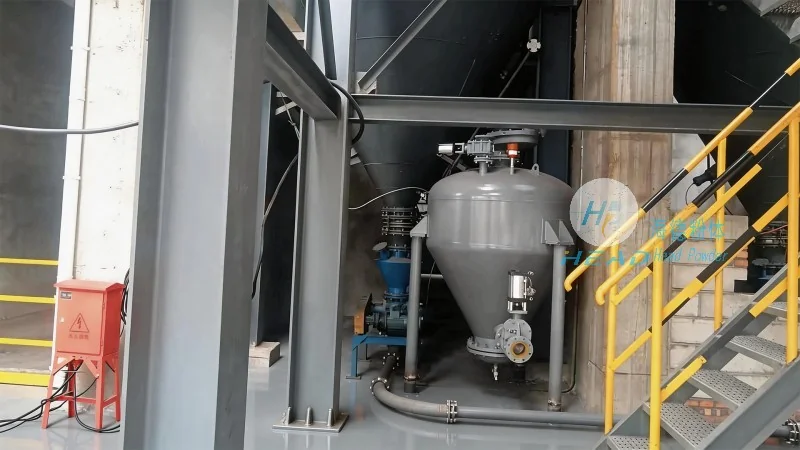
Key Components of the Pneumatic Conveying System
The sodium chloride pneumatic conveying system consists of several critical components that work in tandem to achieve seamless material transport. These include the material hopper, which serves as the storage and feeding unit; the air compressor or blower, responsible for generating the necessary air pressure; the conveying pipeline, which transports the material; and the control system, which regulates the flow and pressure. Each component is meticulously designed to handle the specific characteristics of sodium chloride, such as its granular structure and potential for dust generation, ensuring optimal performance and minimal operational issues.
Operation Process of the Pneumatic Conveying Equipment
The operation of the sodium chloride pneumatic conveying equipment begins with the loading of the material into the hopper. The material is then fed into the conveying pipeline through the use of a feeder, which may be a rotary valve or a screw feeder, depending on the system design. Simultaneously, the air compressor starts operating, generating a high-pressure air stream that flows through the pipeline. As the air enters the conveying section, it picks up the sodium chloride particles, creating a slurry-like mixture that is then transported to the destination point. The control system monitors the pressure and flow rates, adjusting the air supply as needed to maintain consistent material transport. Upon reaching the discharge point, the air is separated from the material, often through a cyclone separator or a filter, and the sodium chloride is collected in the receiving container. The entire process is automated, allowing for continuous and efficient operation with minimal human intervention.
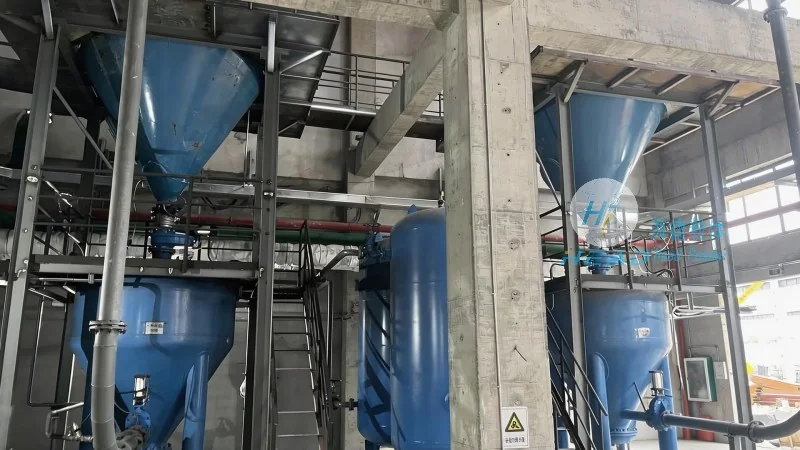
Working Principle of the Pneumatic Conveying System
The core working principle of the sodium chloride pneumatic conveying system is based on the use of air as the conveying medium. When the air compressor produces a high-pressure air stream, it creates a pressure differential between the hopper and the discharge point. This pressure difference drives the material particles into the pipeline, where they are suspended and carried by the air flow. The velocity of the air is crucial; it must be sufficient to lift and transport the sodium chloride particles without causing excessive wear on the equipment or generating too much dust. The system utilizes either positive pressure or negative pressure (or a combination of both) depending on the specific application and distance of transport. Positive pressure systems are commonly used for short to medium distances, where the air is blown into the pipeline, while negative pressure systems are used for longer distances or when the material needs to be transported from a higher elevation to a lower one. The design of the system, including the size of the pipeline, the type of air compressor, and the control mechanisms, is tailored to the characteristics of sodium chloride to ensure efficient and reliable operation.
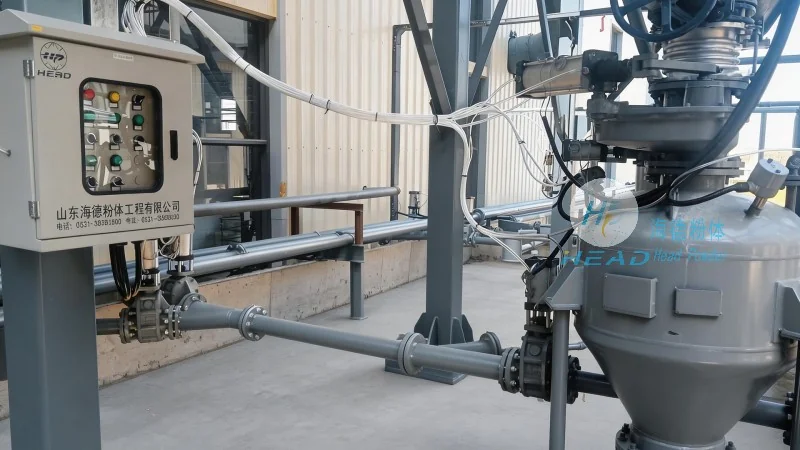
Advantages of Using Pneumatic Conveying for Sodium Chloride
Employing pneumatic conveying equipment for sodium chloride offers several significant advantages over traditional methods such as belt conveyors or bucket elevators. Firstly, it eliminates the need for mechanical contact with the material, reducing the risk of contamination and wear. The system is also highly flexible, allowing for changes in the transport route or destination without major modifications. Additionally, pneumatic conveying systems can handle a wide range of material sizes and shapes, making them suitable for various industrial processes. The equipment is also compact and can be installed in confined spaces, which is particularly beneficial in facilities with limited floor space. Furthermore, the automated control system ensures consistent and reliable operation, minimizing downtime and maintenance requirements. Overall, the use of pneumatic conveying for sodium chloride enhances operational efficiency, safety, and cost-effectiveness in industrial applications.
Company Profile: Shandong HeadPowder Engineering Co., Ltd.
Shandong HeadPowder Engineering Co., Ltd., operating under the brand name HeadPowder, is a reputable company specializing in the engineering and manufacturing of pneumatic conveying systems. With a strong presence in Shandong, China, the company has built a solid reputation for delivering high-quality equipment tailored to the needs of various industries. HeadPowder's team of experienced engineers and technicians focuses on innovation and precision, ensuring that each product meets the highest standards of performance and reliability. The company provides comprehensive solutions, including design, manufacturing, installation, and after-sales support, to meet the diverse requirements of its clients. By leveraging advanced technology and adhering to strict quality control measures, HeadPowder has established itself as a trusted partner in the field of material handling equipment for sodium chloride and other similar materials.




