The operation process and working principle of zinc oxide pneumatic conveying equipment are crucial for understanding its efficiency and reliability in industrial applications. This equipment, manufactured by Shandong HeadPowder Engineering Co., Ltd., is designed to handle the transportation of zinc oxide powder efficiently and safely. The company, based in Shandong, China, specializes in engineering solutions for powder handling systems, ensuring high-quality performance in various industrial settings.
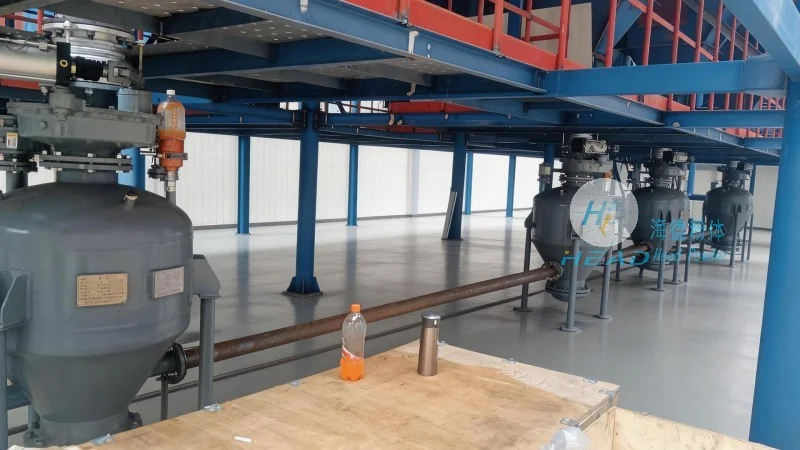
Working Principle of Zinc Oxide Pneumatic Conveying Equipment
The core working principle of this equipment revolves around the use of air as the conveying medium. The system typically consists of a hopper, a rotary valve, a pneumatic conveyor line, and a receiver. When the zinc oxide powder is fed into the hopper, it is then discharged into the conveyor line through the rotary valve. Compressed air is introduced into the conveyor line, creating a flow that carries the powder particles through the system. The air pressure and velocity are carefully controlled to ensure the powder is transported without clogging or degradation. The receiver at the end of the line collects the conveyed powder, completing the process.
Operation Process of the Equipment
The operation process of the zinc oxide pneumatic conveying equipment involves several sequential steps. First, the zinc oxide powder is loaded into the hopper from a storage silo or container. The rotary valve then regulates the flow of powder into the pneumatic conveyor line. Compressed air, supplied by an air compressor, is introduced into the conveyor line, creating a positive pressure that propels the powder forward. The air flow rate and pressure are adjusted based on the powder characteristics and the required conveying distance. As the powder travels through the line, it is mixed with the air, forming a slurry-like mixture that moves efficiently. Upon reaching the receiver, the air is separated from the powder, often through a cyclone separator or a filter, and the air is discharged while the zinc oxide powder is collected in the receiver. The entire process is automated, with controls that monitor pressure, flow rate, and other parameters to maintain optimal operation.
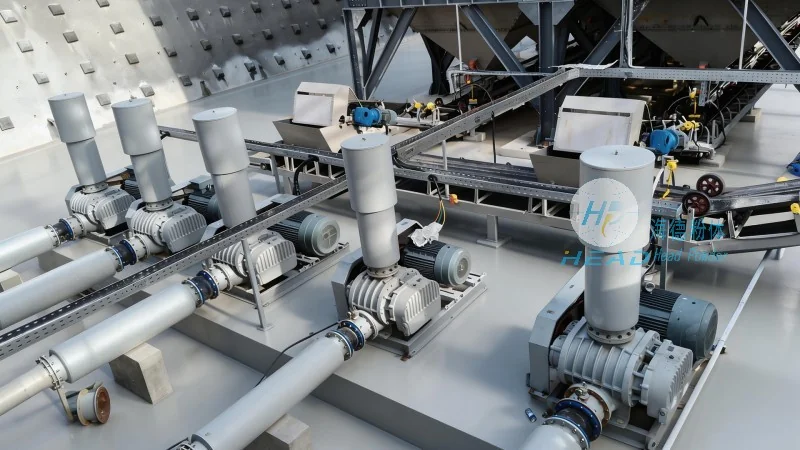
Key Components and Their Functions
Several key components contribute to the effective operation of the zinc oxide pneumatic conveying equipment. The hopper serves as the storage and feeding unit, holding the zinc oxide powder and providing a controlled discharge into the system. The rotary valve acts as a gate, regulating the flow of powder from the hopper to the conveyor line, preventing backflow and ensuring a steady supply. The pneumatic conveyor line, usually made of stainless steel or other corrosion-resistant materials, transports the powder and air mixture. The air compressor generates the necessary compressed air, which is distributed through the system via pipes and fittings. The receiver collects the conveyed powder and may include a dust collection system to ensure environmental compliance. Each component is designed to work in harmony, ensuring the efficient and safe transportation of zinc oxide powder.
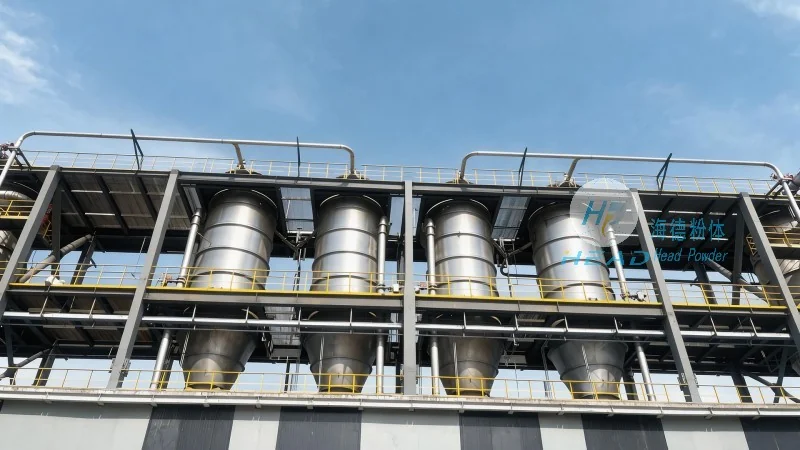
Advantages of Using Zinc Oxide Pneumatic Conveying Equipment
The use of pneumatic conveying equipment for zinc oxide offers several advantages over traditional methods like belt conveyors or bucket elevators. It provides a closed system, which helps in maintaining the purity of the powder and preventing contamination from external sources. The equipment is also flexible in terms of layout, as it can be installed in various configurations to suit the space constraints of the facility. Additionally, it reduces the risk of dust exposure, improving workplace safety. The automated operation minimizes human intervention, leading to higher efficiency and lower labor costs. The system can handle varying flow rates and distances, making it suitable for different production scales.
Applications in Industrial Settings
Zinc oxide pneumatic conveying equipment is widely used in various industrial applications where zinc oxide powder needs to be transported. These include pharmaceutical manufacturing, where the powder is used in the production of zinc oxide ointments and other medical products. In the rubber industry, it is used as a filler in rubber compounds, enhancing the properties of the final products. The chemical industry also utilizes this equipment for transporting zinc oxide in the production of zinc compounds and other chemicals. The equipment's ability to handle fine powders without clogging makes it ideal for these applications, ensuring consistent quality and performance.




