HeadPowder, a leading manufacturer based in Shandong, China, specializes in the design, production, and supply of advanced pneumatic conveying systems. Among their product lineup, the powder bin pneumatic conveying machine stands out as a crucial equipment for efficient powder handling in various industrial applications. This article delves into the operation process and working principle of such machines, highlighting their key features and benefits.
Introduction to Powder Bin Pneumatic Conveying Machines
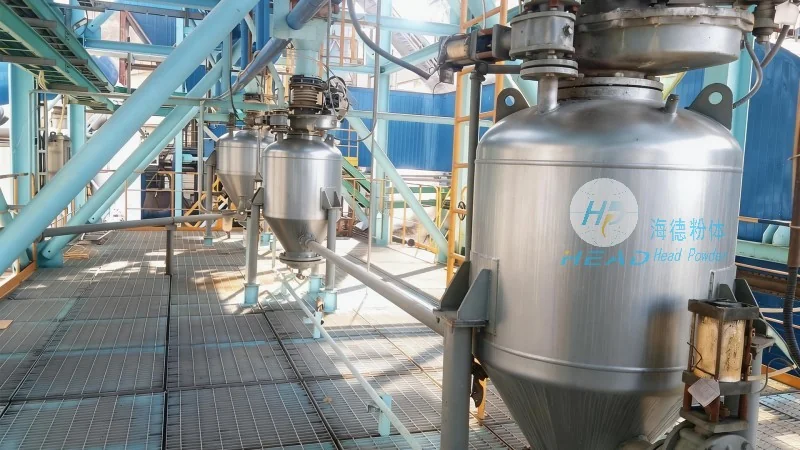
Powder bin pneumatic conveying machines are essential for transporting bulk powders from storage bins to processing units or other destinations. These systems utilize air pressure to move materials, offering a flexible and efficient solution for industries like pharmaceuticals, food processing, chemicals, and more. The design of these machines is tailored to handle different powder characteristics, ensuring reliable and low-damage material transport.
Key Components of the System
The operation of a powder bin pneumatic conveying machine involves several critical components that work in tandem to achieve efficient material transfer. These components include the powder bin (or hopper), the air supply system (such as a blower or compressor), the conveying line, and the control system. Each component plays a vital role in the overall functionality of the machine.
The Working Principle: How It Operates
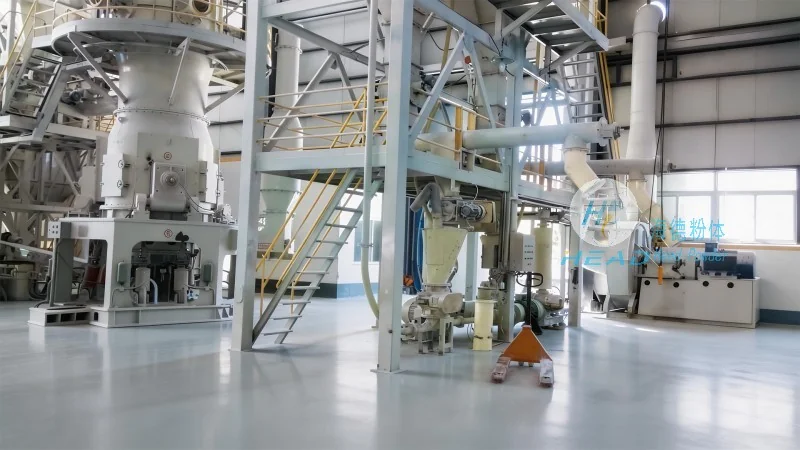
The core of the powder bin pneumatic conveying machine's operation is based on the principle of pneumatic transport. When the system is activated, the air supply unit generates a flow of air that enters the powder bin. The air flow creates a negative pressure or positive pressure environment, depending on the system design, which draws the powder particles into the conveying line. The powder is then carried through the pipeline by the moving air stream, reaching the destination point. The control system regulates the air flow and pressure to maintain optimal conveying conditions, ensuring consistent and reliable material transport.
Operation Process: Step-by-Step Guide
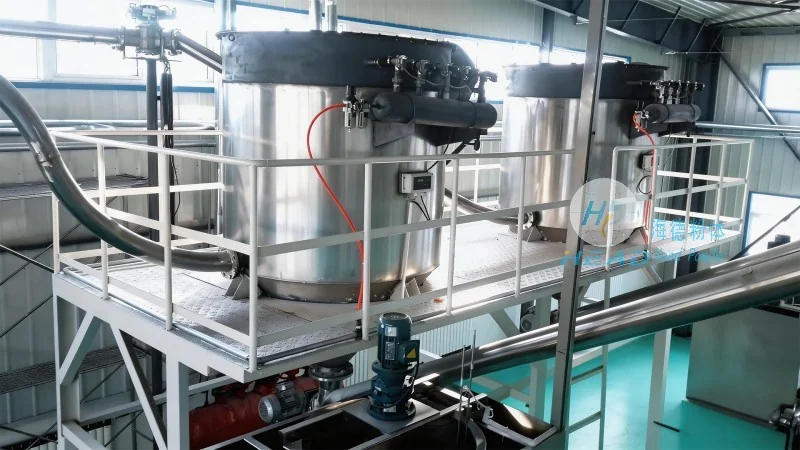
The operation process of a powder bin pneumatic conveying machine typically follows a series of steps to ensure smooth and efficient material handling. First, the powder is loaded into the storage bin. Then, the air supply system is activated, and the control system adjusts the air pressure and flow rate. The powder is drawn from the bin into the conveying line as the air flows. The material travels through the pipeline to the discharge point, where it is collected in the receiving container. The system may also include features like pulse control or rotary valves to manage the flow and prevent blockages. Throughout the process, the control system monitors the pressure and flow parameters to maintain stable operation.
Advantages and Applications
Powder bin pneumatic conveying machines offer numerous advantages over traditional mechanical conveying methods. These include reduced material degradation, lower maintenance costs, and the ability to handle a wide range of powder types. The systems are also flexible, allowing for changes in the conveying route without major modifications. In industrial settings, these machines are widely used for transporting powders such as flour, cement, pharmaceutical powders, and chemical powders. The efficiency and reliability of the system make it a preferred choice for applications requiring consistent and low-damage material transport.
Conclusion
HeadPowder's powder bin pneumatic conveying machines exemplify advanced engineering and reliable performance in the field of material handling. By understanding the operation process and working principle, users can appreciate the efficiency and versatility of these systems. With a focus on quality and innovation, HeadPowder continues to provide solutions that meet the evolving needs of industries relying on efficient powder transport. The company's commitment to excellence ensures that their products deliver consistent performance and contribute to the smooth operation of industrial processes.




