Waste management has evolved significantly over the years, with advanced technologies playing a crucial role in optimizing the handling and transportation of waste materials. One such technology is the automatic material loading waste air-pneumatic conveying system, which efficiently transports waste from collection points to processing facilities. This system, developed by Shandong HeadPowder Engineering Co., Ltd., a leading company in the field, combines automation and pneumatic principles to ensure reliable and efficient waste handling. The following sections will explore the operation process and working principle of this system, highlighting its key components and functional mechanisms.
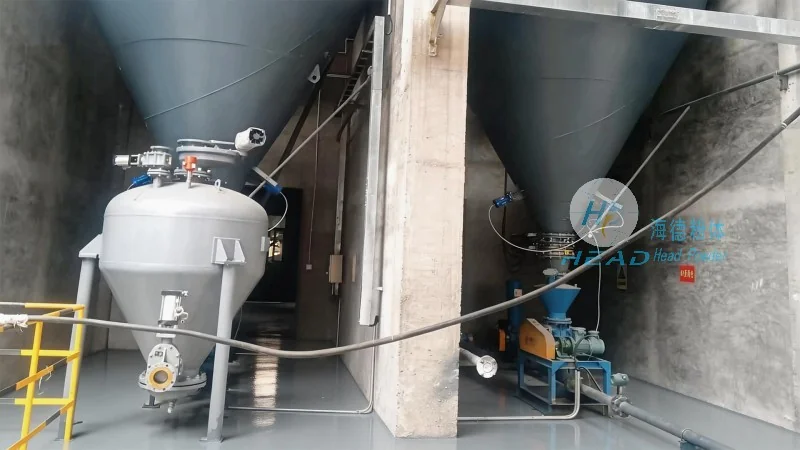
Key Components of the Automatic Material Loading Waste Air-Pneumatic Conveying System
The automatic material loading waste air-pneumatic conveying system consists of several critical components that work in tandem to facilitate waste transportation. These components include the hopper or feeding hopper, which serves as the primary collection point for waste materials. The hopper is designed to accommodate various types of waste, such as municipal solid waste, industrial waste, or recyclable materials, ensuring a consistent flow of material into the system. A rotary valve or feeder is typically integrated into the hopper to regulate the discharge of waste, controlling the rate at which material enters the conveying line. This component ensures that the waste is fed at a steady pace, preventing overloading or underfeeding of the system. The conveying line itself is a crucial part of the system, often made of durable materials like stainless steel or plastic, to withstand the abrasive nature of waste materials. The line is equipped with air ducts that facilitate the movement of waste particles through the system using compressed air. At the receiving end, a separator or cyclone is used to separate the waste from the air stream, allowing the waste to be deposited into a designated container or processing unit. Finally, a fan or blower provides the necessary air pressure to drive the conveying process, ensuring that the waste is transported efficiently over long distances.
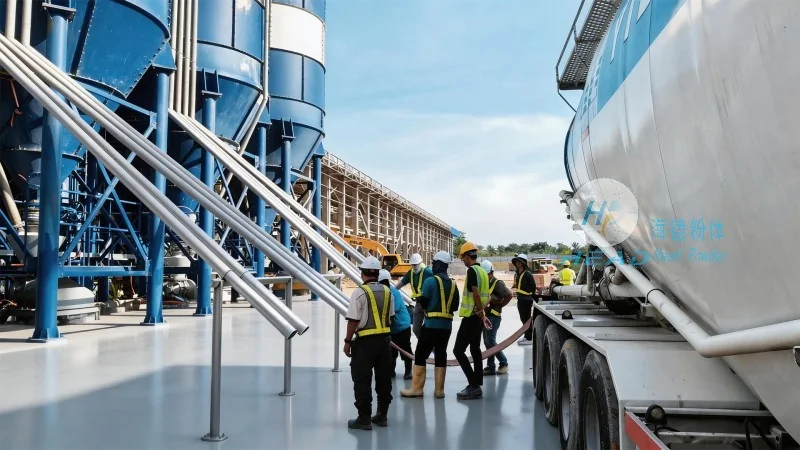
Operation Process of the Automatic Material Loading Waste Air-Pneumatic Conveying System
The operation process of the automatic material loading waste air-pneumatic conveying system begins with the collection of waste at the source. Waste materials are deposited into the hopper, where they accumulate until the system is ready to process them. The rotary valve or feeder then starts to discharge the waste at a controlled rate, feeding the material into the conveying line. Simultaneously, the fan or blower activates, generating a high-pressure air stream that travels through the ducts. As the waste particles enter the conveying line, they are entrained by the air stream and carried along the line towards the receiving end. The air and waste mixture travels through the line, and at the separator, the waste is separated from the air using centrifugal force. The separated waste is then deposited into a container or processing unit, while the air is either filtered or recirculated back into the system. The entire process is automated, with sensors and controls monitoring the flow rate, pressure, and other parameters to ensure optimal performance. The system operates continuously, with the hopper and feeder automatically replenishing the waste supply as needed. This automated operation minimizes the need for manual intervention, reducing labor costs and increasing the overall efficiency of waste handling.
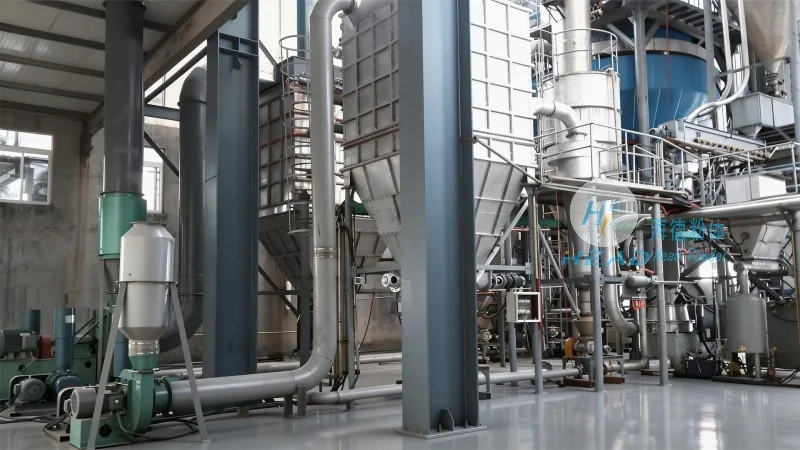
Working Principle of the Automatic Material Loading Waste Air-Pneumatic Conveying System
The working principle of the automatic material loading waste air-pneumatic conveying system is based on the principles of pneumatic transport, where waste materials are transported using compressed air. The system operates by creating a pressure differential between the feeding hopper and the receiving end. The fan or blower generates a high-pressure air stream that moves through the conveying line, creating a negative pressure at the receiving end. This pressure difference causes the waste particles to be drawn into the air stream and carried along the line. The rotary valve or feeder ensures that the waste is fed at a consistent rate, preventing clogging or blockages in the system. The separator or cyclone at the receiving end uses centrifugal force to separate the waste from the air, as the air stream slows down and the heavier waste particles are forced out of the stream. The separated waste is then collected in a container, while the air is filtered to remove any dust or particles before being recirculated or released. The system's efficiency depends on the proper design of the conveying line, the appropriate air pressure, and the effective separation of waste from the air stream. By optimizing these parameters, the system can transport waste over long distances with minimal loss and maximum efficiency. The automatic material loading feature further enhances the system's performance by ensuring a continuous supply of waste, reducing downtime and improving overall productivity.
Advantages of the Automatic Material Loading Waste Air-Pneumatic Conveying System
The automatic material loading waste air-pneumatic conveying system offers several advantages over traditional waste handling methods. Firstly, it provides a highly efficient and reliable means of transporting waste from collection points to processing facilities. The automated feeding and conveying process minimizes the need for manual labor, reducing labor costs and improving safety. The system can handle a wide range of waste materials, including wet, dry, or mixed waste, making it versatile for various applications. The pneumatic transport method is also environmentally friendly, as it reduces the need for trucks and other vehicles that contribute to air pollution and traffic congestion. Additionally, the system is compact and can be installed in limited spaces, making it suitable for urban areas or facilities with restricted space. The durability of the components, such as the conveying line and separator, ensures long-term operation with minimal maintenance requirements. Overall, the automatic material loading waste air-pneumatic conveying system is a cost-effective and sustainable solution for waste management, offering significant benefits in terms of efficiency, safety, and environmental impact.
Conclusion
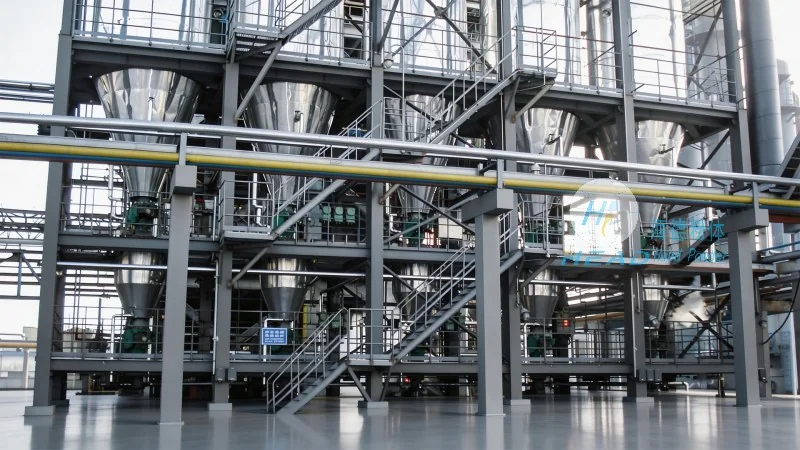
In conclusion, the automatic material loading waste air-pneumatic conveying system developed by Shandong HeadPowder Engineering Co., Ltd. is a sophisticated and efficient technology for waste transportation. By combining automation with pneumatic principles, the system ensures reliable and continuous transport of waste materials from collection points to processing facilities. The key components, operation process, and working principle of the system have been detailed, highlighting its advantages in terms of efficiency, safety, and environmental sustainability. As waste management continues to evolve, such advanced systems play a crucial role in optimizing waste handling processes and contributing to sustainable development. The system's ability to handle various types of waste and operate automatically makes it a valuable asset for waste management facilities, ensuring that waste is transported efficiently and safely. With its robust design and reliable performance, the automatic material loading waste air-pneumatic conveying system represents a significant advancement in waste management technology.




