The pneumatic conveying system designed for pigment masterbatch material is a specialized equipment solution provided by Shandong HeadPowder Engineering Co., Ltd., a leading company based in Shandong, China. This system is engineered to efficiently transport pigment masterbatch, a critical component in the plastic and polymer industries, from storage to processing units with precision and reliability. The system's design integrates advanced pneumatic technology to ensure safe, clean, and efficient material handling, meeting the stringent requirements of modern manufacturing processes.
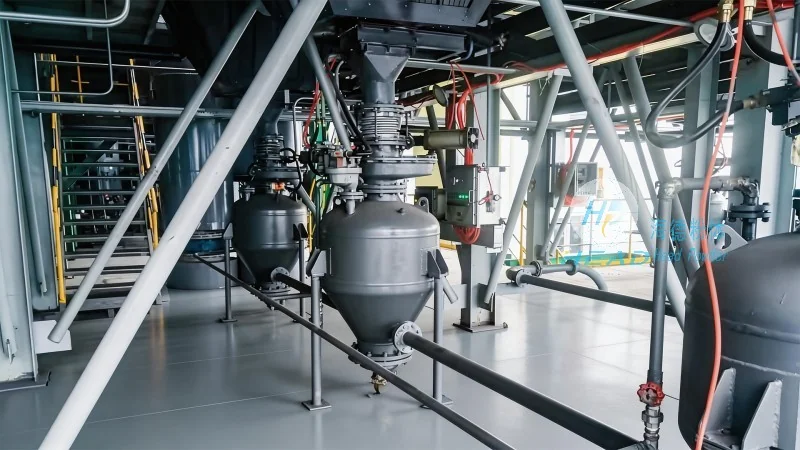
Working Principle of the Pneumatic Conveying System
The core working principle of the pigment masterbatch pneumatic conveying system revolves around the use of air as the conveying medium. The system operates by creating a pressure differential between the material feed point and the discharge point. When the system is activated, a fan or blower generates high-pressure air, which is then introduced into the conveying line. The pigment masterbatch is fed into the system, typically via a hopper or feeder, and is entrained by the high-velocity air stream. This air-particle mixture travels through the pipeline to the destination point, where the air is separated from the material, often using a cyclone separator or filter, and the material is discharged into the processing equipment. The system's design ensures that the air flow is sufficient to maintain the material in suspension, preventing blockages and ensuring consistent flow rates.
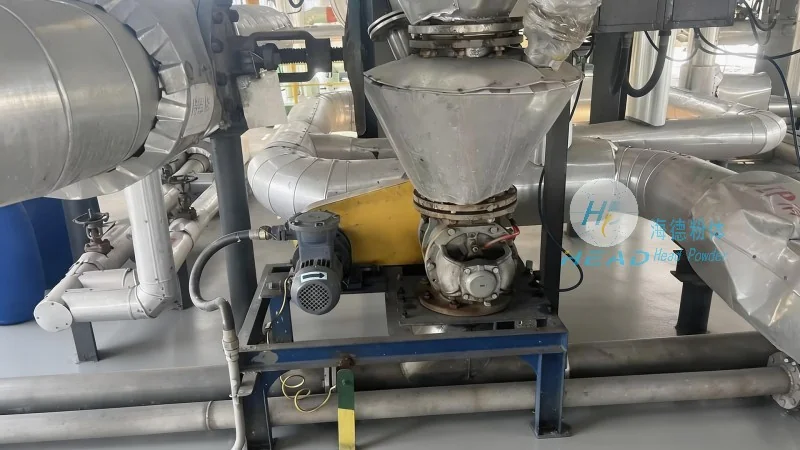
Operation Process of the Pneumatic Conveying System
The operation process of the pigment masterbatch pneumatic conveying system begins with the preparation of the material. The pigment masterbatch is loaded into the storage hopper, which is equipped with a feeding mechanism such as a rotary valve or screw feeder. The system's control panel, managed by the company's advanced automation technology, initiates the air flow from the blower. As the air pressure builds, the material is gradually drawn into the conveying line. The system monitors the flow rate and pressure to maintain optimal performance. During operation, the material is transported through the pipeline network, which may include vertical, horizontal, or inclined sections, depending on the layout of the facility. At the discharge end, the material is separated from the air, and the clean material is collected in the processing unit. The system also includes safety features such as pressure relief valves and air filtration to ensure operational safety and environmental compliance.
Key Components and Their Functions
The pneumatic conveying system for pigment masterbatch consists of several key components, each playing a crucial role in the overall operation. The blower or fan is the primary power source, generating the necessary air pressure to move the material. The hopper or feeder is responsible for storing and feeding the pigment masterbatch into the system, ensuring a consistent material supply. The conveying pipeline, made of materials like stainless steel or plastic, transmits the air and material mixture. The cyclone separator or filter is used to separate the material from the air at the discharge point, preventing dust and particles from being released into the environment. The control system, often integrated with sensors and automation software, monitors and controls the system's parameters, such as pressure, flow rate, and temperature, to maintain optimal performance and prevent operational issues. Each component is designed to work in harmony, ensuring the system operates efficiently and reliably.
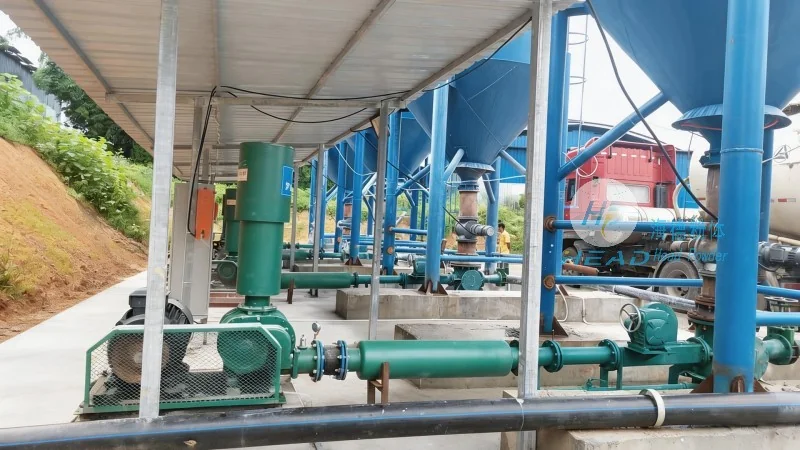
Advantages of the Pneumatic Conveying System
Implementing a pneumatic conveying system for pigment masterbatch offers several significant advantages over traditional material handling methods. Firstly, the system provides a clean and dust-free environment, which is essential for maintaining the quality of the pigment masterbatch and preventing contamination in the processing equipment. Secondly, the system offers high efficiency in material transport, with the ability to handle large volumes of material over long distances with minimal downtime. Thirdly, the system is highly flexible, allowing for easy integration with existing manufacturing lines and the ability to adjust the conveying rate as needed. Additionally, the system reduces labor costs by automating the material handling process and minimizes the risk of material spillage or damage. The system's design also ensures compliance with environmental regulations by effectively capturing and filtering air emissions, contributing to a safer and more sustainable manufacturing environment.




