HeadPowder, a leading engineering company based in Shandong, China, specializes in the design, manufacturing, and installation of advanced air-driven conveying systems tailored for the handling of moisture-containing ammonium nitrate material. This article provides a detailed overview of the operational process and underlying working principles of such systems, highlighting their efficiency, reliability, and safety features.
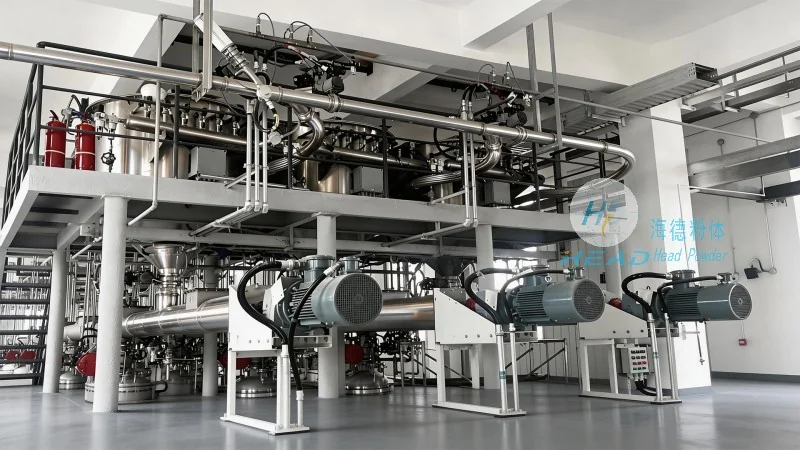
Company Profile and Expertise
Shandong HeadPowder Engineering Co., Ltd. is a professional enterprise dedicated to providing comprehensive solutions for material handling in industrial applications. With years of experience in the field, the company has developed expertise in designing and implementing air-driven conveying systems that meet the stringent requirements of handling moisture-containing ammonium nitrate. The company’s commitment to quality and innovation ensures that its systems are tailored to the specific needs of clients, whether in the fertilizer, chemical, or other related industries.
Understanding the Air-Driven Conveying System
The air-driven conveying system for moisture-containing ammonium nitrate material is a sophisticated mechanism that utilizes compressed air to transport bulk materials through a network of pipes. This method offers several advantages over traditional mechanical conveying systems, including reduced equipment wear, lower energy consumption, and the ability to handle materials with varying moisture content without compromising the material's integrity. The system is designed to maintain the material's quality while ensuring efficient and safe transportation from the source to the destination.
Key Components of the System
The air-driven conveying system consists of several critical components that work in tandem to achieve effective material transport. These include the air compressor, which generates the necessary pressure for conveying; the material feed hopper, which holds the ammonium nitrate and controls the feed rate; the conveying pipes, which transport the material; and the discharge equipment, which delivers the material to the final destination. Each component is carefully selected and integrated to ensure optimal performance and reliability.
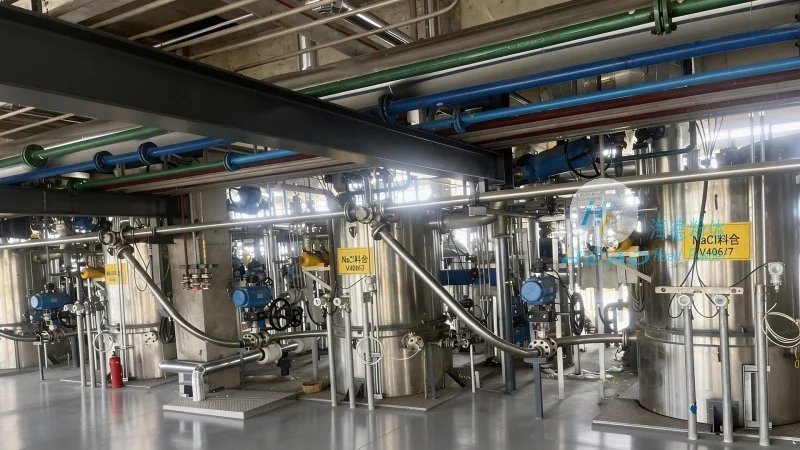
Operation Process of the System
The operation of the air-driven conveying system for moisture-containing ammonium nitrate material involves a series of steps that ensure smooth and continuous material transport. The process begins with the loading of the ammonium nitrate into the material feed hopper. The hopper is equipped with a feeder that controls the flow rate of the material, preventing overloading and ensuring a consistent feed. Simultaneously, the air compressor starts operating, generating compressed air that is directed into the conveying pipes. The compressed air creates a flow that pulls the material through the pipes, forming a dense phase flow that minimizes material degradation and dust generation.
As the material is conveyed, it passes through various sections of the pipe network, including bends and transitions, which are designed to minimize pressure loss and maintain the material's flow. The system is equipped with pressure sensors and control valves that monitor and adjust the air pressure as needed to maintain optimal conveying conditions. At the discharge end, the material is collected in a receiving hopper or storage tank, where it is then transferred to the next processing stage or stored for later use.
Working Principle of the System
The working principle of the air-driven conveying system is based on the principle of fluidization and pneumatic transport. The compressed air introduced into the conveying pipes creates a low-pressure zone that draws the material particles into the air stream. The material particles are suspended in the air, forming a dense phase flow that moves through the pipe network. This method of transport is known as dense phase pneumatic conveying, which is particularly effective for handling materials with high moisture content, as it minimizes the risk of material caking or blockage.
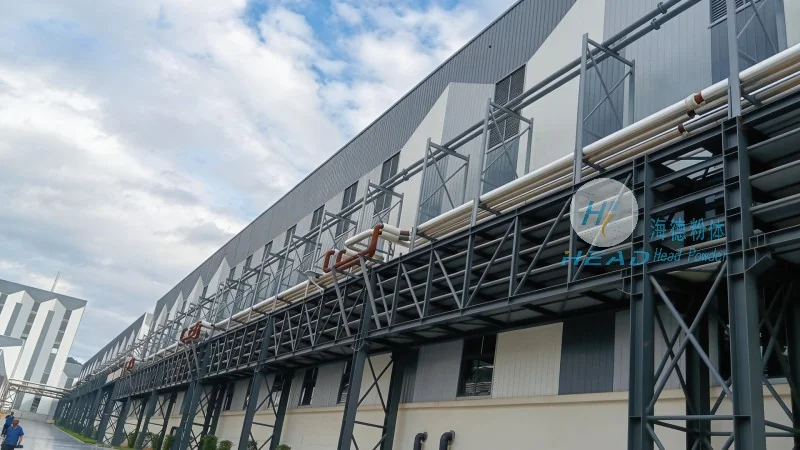
The system operates by creating a pressure differential between the inlet and outlet of the conveying pipe. The air compressor maintains a higher pressure at the inlet, while the outlet is at a lower pressure, causing the material to be drawn into the air stream. The velocity of the air is carefully controlled to ensure that the material particles are fully suspended without being damaged or broken. The system also incorporates features such as air filtration and moisture control to maintain the quality of the ammonium nitrate material throughout the conveying process.
Advantages and Applications
The air-driven conveying system for moisture-containing ammonium nitrate material offers several advantages over traditional conveying methods. These include reduced equipment maintenance, lower energy consumption, and the ability to handle materials with varying moisture content without compromising the material's quality. The system is also highly flexible, allowing for easy expansion or modification to accommodate changing production needs. It is widely used in the fertilizer industry for transporting ammonium nitrate from storage facilities to processing plants, as well as in other industrial applications where bulk material handling is required.
Conclusion
HeadPowder's air-driven conveying system for moisture-containing ammonium nitrate material is a reliable and efficient solution for industrial material handling. By leveraging advanced engineering and design, the system ensures safe and effective transport of the material while maintaining its quality. With its commitment to innovation and customer satisfaction, Shandong HeadPowder Engineering Co., Ltd. continues to provide cutting-edge solutions that meet the evolving needs of the industry.




