Lithium-ion battery production is a highly precise and complex process, and the efficient handling of powder materials is a critical step. The equipment used for this purpose, known as lithium-ion battery powder material handling equipment, plays a vital role in ensuring the quality and consistency of the final battery products. This equipment is designed to transport, store, and manage various powder components, such as cathode active materials, anode materials, and conductive additives, with high precision and minimal contamination. The design principles behind these systems are tailored to meet the stringent requirements of the battery manufacturing industry, focusing on factors like material purity, process efficiency, and operational safety.
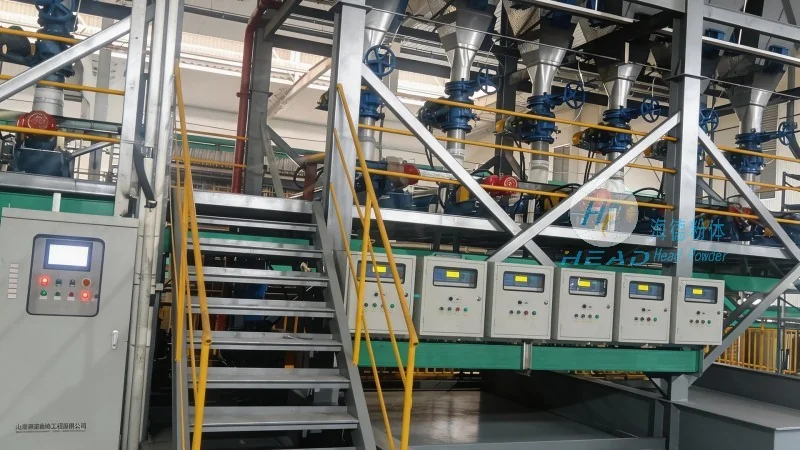
Key Components and Functions of Lithium-Ion Battery Powder Handling Equipment
The lithium-ion battery powder material handling equipment typically consists of several key components that work in tandem to achieve efficient material processing. These components include feeding systems, conveying mechanisms, storage containers, and control units. The feeding system is responsible for accurately measuring and dispensing the required powder quantities, often using advanced sensors and weighing technology to maintain precise dosing. The conveying mechanisms, such as pneumatic or mechanical conveyors, transport the powder from the storage area to the processing equipment. Storage containers, usually made of stainless steel or other corrosion-resistant materials, are designed to prevent material degradation and contamination. Control units, equipped with programmable logic controllers (PLCs) and human-machine interfaces (HMIs), manage the entire operation, allowing operators to monitor and adjust parameters in real-time. The integration of these components ensures a seamless flow of materials throughout the production line, minimizing downtime and maximizing productivity.
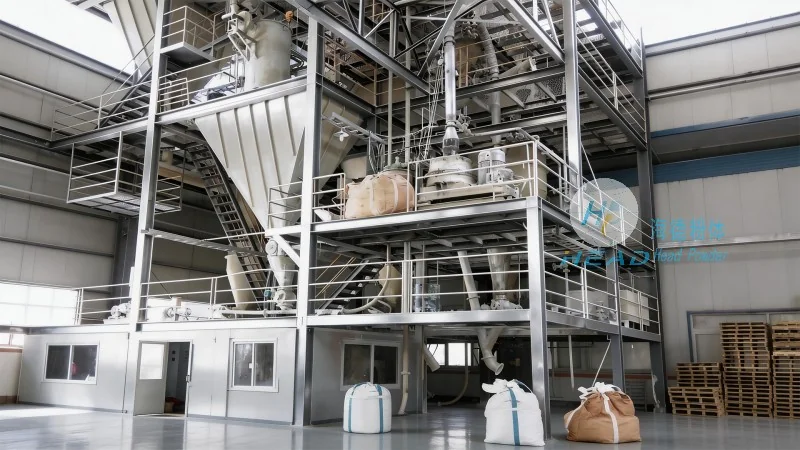
Design Principles for Lithium-Ion Battery Powder Handling Systems
The design principles of lithium-ion battery powder handling equipment are centered on several key objectives. First, material purity is paramount, as even trace contaminants can significantly impact battery performance and safety. Therefore, the equipment is constructed with materials that are resistant to corrosion and contamination, such as stainless steel or specialized plastics. Second, process efficiency is a critical consideration, as the battery manufacturing process demands high throughput and minimal waste. The design incorporates features like automated feeding, real-time monitoring, and energy-efficient operation to optimize performance. Third, operational safety is a top priority, given the flammable and reactive nature of some battery materials. The equipment includes safety features like explosion-proof designs, overpressure relief valves, and emergency stop mechanisms to prevent accidents. Additionally, the design emphasizes ease of maintenance and cleaning, with components that can be easily disassembled and sanitized to maintain material purity. These principles collectively ensure that the equipment not only meets the technical requirements of battery production but also adheres to industry standards and safety regulations.
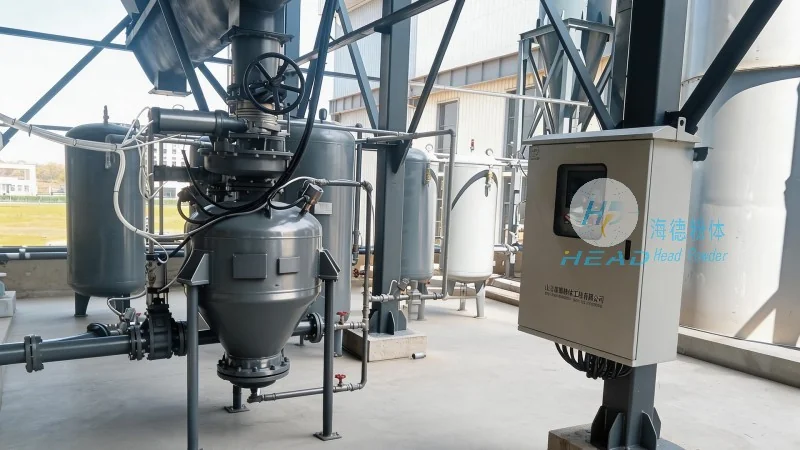
Application and Benefits of Lithium-Ion Battery Powder Handling Equipment
The lithium-ion battery powder material handling equipment is widely used in various stages of the battery manufacturing process. In the cathode production stage, it handles materials like lithium cobalt oxide (LCO), lithium nickel manganese cobalt oxide (NMC), and lithium iron phosphate (LFP), ensuring uniform mixing and accurate dosing. In the anode production stage, it manages graphite or silicon-based materials, contributing to the formation of the anode structure. The equipment also supports the mixing of conductive additives and binders, which are essential for the overall performance of the battery. The benefits of using such equipment include improved product quality, reduced material waste, enhanced operational efficiency, and lower labor costs. By automating the material handling process, manufacturers can achieve greater consistency in their products, leading to higher customer satisfaction and market competitiveness. Furthermore, the equipment's design allows for scalability, enabling manufacturers to adapt to increasing production demands without significant changes to the system.
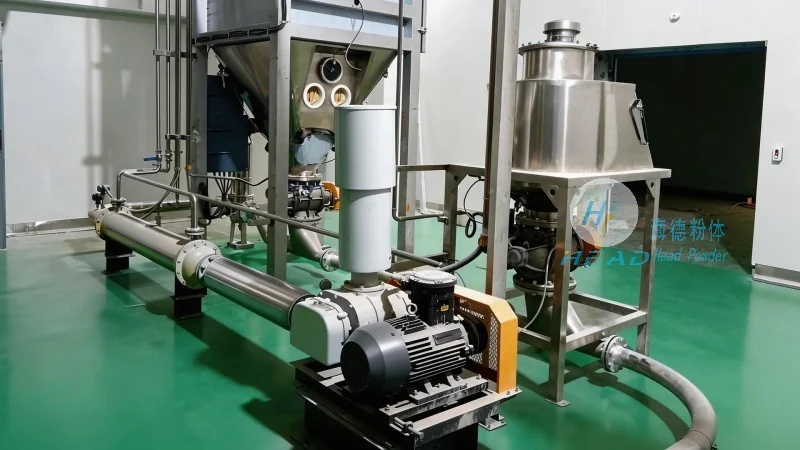
About Shandong HeadPowder Engineering Co., Ltd.
Shandong HeadPowder Engineering Co., Ltd., commonly known as headpowder, is a leading manufacturer of specialized equipment for the powder handling industry. With its headquarters in Shandong, China, the company has established itself as a trusted provider of high-quality lithium-ion battery powder material handling equipment. Headpowder's team of engineers and technicians specializes in designing and manufacturing equipment that meets the specific needs of the battery manufacturing sector. The company's products are known for their precision, reliability, and adherence to industry standards. By leveraging advanced technology and a commitment to quality, headpowder has become a key partner for many battery manufacturers, helping them to optimize their production processes and improve overall performance. The company's dedication to innovation and customer service ensures that it remains at the forefront of the industry, providing solutions that address the evolving challenges of battery production.




