Organic fertilizer granular material pneumatic conveying lines are sophisticated systems designed to efficiently transport organic fertilizer granules from storage to processing or packaging units. These systems are critical in the fertilizer industry, ensuring seamless material handling while maintaining product quality and operational efficiency. The following sections detail the operation process and working principles of such lines, highlighting key components and the step-by-step workflow.
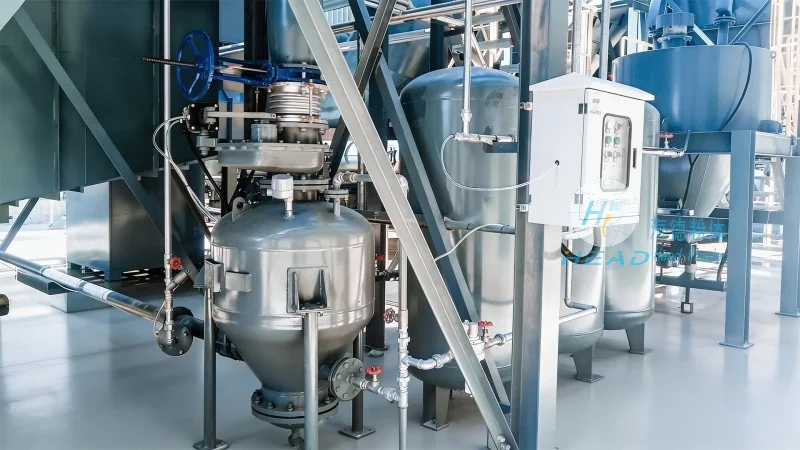
Company Introduction: Shandong HeadPowder Engineering Co., Ltd.
Headpowder, a leading engineering firm based in Shandong, China, specializes in the design, manufacturing, and installation of advanced material handling solutions. With a strong commitment to innovation and quality, HeadPowder has established itself as a trusted partner for industries requiring reliable and efficient pneumatic conveying systems. The company’s expertise in organic fertilizer processing ensures that their equipment is tailored to meet the unique demands of the organic fertilizer sector, including the handling of granular materials with varying moisture content and particle sizes.
Overview of Pneumatic Conveying Systems for Organic Fertilizer
Pneumatic conveying lines for organic fertilizer granules utilize air as the primary medium to transport materials. These systems are preferred over traditional mechanical conveyors due to their ability to handle delicate or abrasive materials without causing damage, and their flexibility in layout design. The core components of a typical pneumatic conveying system include a hopper for material storage, a blower or compressor to generate airflow, a conveying pipe network, and a receiver or discharge unit. The system operates by drawing granular fertilizer from the hopper and transporting it through the pipes using the force of the air flow.
Step-by-Step Operation Process
The operation of an organic fertilizer granular material pneumatic conveying line involves several key steps, each designed to ensure efficient and reliable material transport. The process begins with the loading of granular fertilizer into the storage hopper. The hopper is equipped with a feeder, such as a rotary valve or a screw feeder, which controls the flow rate of the material into the conveying line. Once the feeder is activated, the blower or compressor starts operating, generating a high-pressure air stream that moves through the conveying pipes.
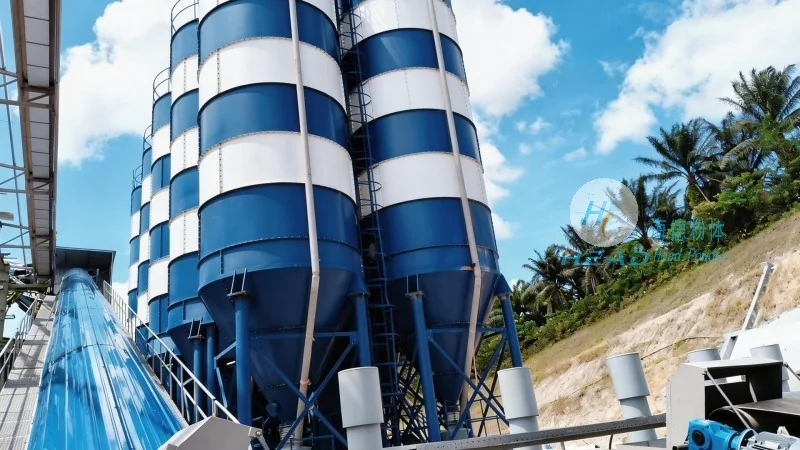
As the air flows through the pipes, it picks up the fertilizer granules, creating a slurry-like mixture known as a "conveying stream." The velocity of the air is carefully controlled to ensure that the granules are fully entrained and transported without settling or clogging the pipes. The conveying stream travels through the pipe network, which may include bends, expansions, or reductions, all designed to maintain the air velocity necessary for effective transport.
At the discharge end of the line, the conveying stream enters a receiver or discharge hopper. The receiver is equipped with a separator, such as a cyclone or a bag filter, which separates the air from the fertilizer granules. The separated air is then discharged to the atmosphere or recirculated back into the system, while the fertilizer granules are collected in the receiver for further processing or packaging. The entire process is automated, with sensors and control systems monitoring parameters such as air pressure, flow rate, and material level to ensure optimal performance.
Working Principles of Key Components
The effectiveness of a pneumatic conveying line for organic fertilizer granules depends on the proper functioning of several key components. The blower or compressor is the heart of the system, providing the necessary air pressure and flow rate to transport the material. Different types of blowers, such as rotary lobe blowers or centrifugal compressors, are used depending on the specific requirements of the application, including the material's particle size and moisture content.
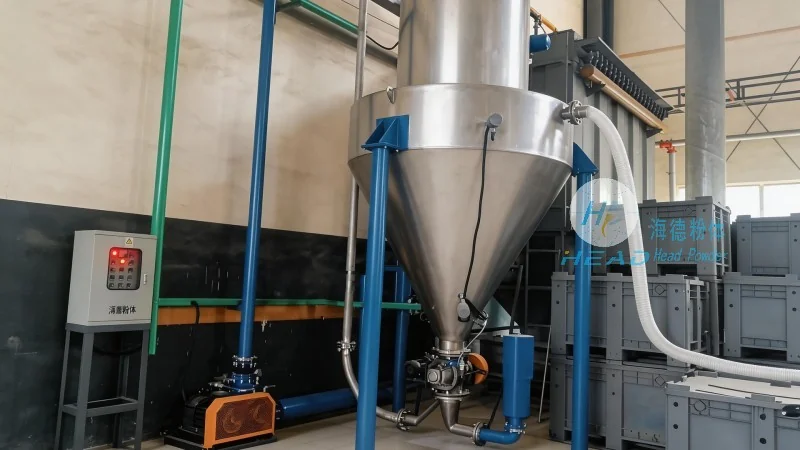
The conveying pipes are typically made of materials like stainless steel or polyethylene, chosen for their durability and resistance to corrosion from organic fertilizers. The pipe network is designed with appropriate diameters and slopes to maintain the required air velocity, preventing material settling and ensuring smooth transport. Bends and fittings are strategically placed to minimize pressure losses and maintain the flow efficiency.
The feeder, often a rotary valve or a screw feeder, plays a crucial role in controlling the material flow rate. The rotary valve, for example, uses a rotating drum with slots to allow material to pass through at a controlled rate, preventing overloading or underloading of the conveying line. The discharge unit, such as a cyclone separator, uses centrifugal force to separate the air from the fertilizer granules. As the conveying stream enters the cyclone, the air is forced to the outer walls, while the heavier granules are directed to the center and collected at the bottom of the separator.
Advantages of Pneumatic Conveying for Organic Fertilizer
Implementing a pneumatic conveying line for organic fertilizer granules offers several advantages over traditional mechanical methods. First, it provides a dust-free and hygienic environment, which is essential for organic products that require high standards of cleanliness. The enclosed system prevents contamination from external sources and reduces the risk of product degradation due to exposure to air or moisture.
Second, pneumatic conveying systems are highly flexible in terms of layout. They can be installed in various configurations, including vertical, horizontal, or a combination of both, to fit the available space and production requirements. This flexibility allows for efficient use of the facility and minimizes the need for extensive civil works.
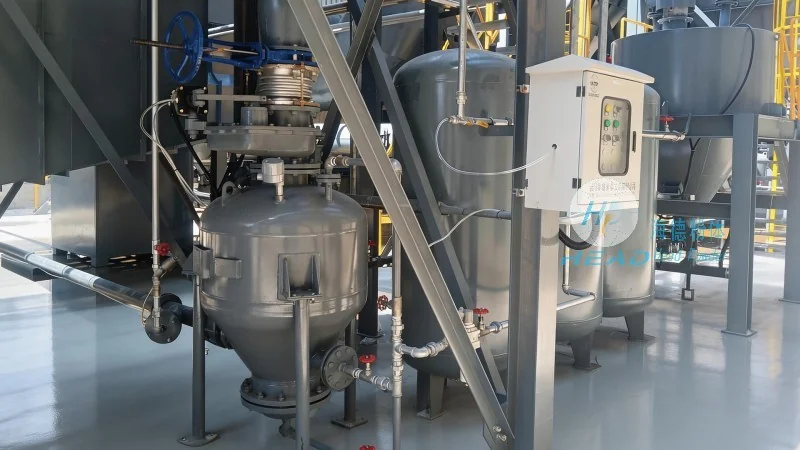
Third, the system is capable of handling a wide range of granular materials with varying particle sizes and moisture content. The adjustable air velocity and pressure allow for the transport of materials that are difficult to handle with mechanical conveyors, such as those with high moisture content or abrasive properties.
Finally, pneumatic conveying systems are energy-efficient and cost-effective in the long run. While the initial investment may be higher than traditional conveyors, the reduced maintenance costs and increased productivity make them a worthwhile investment for fertilizer manufacturers. The automated operation and monitoring systems also reduce the need for manual intervention, improving overall operational efficiency.
Conclusion
Organic fertilizer granular material pneumatic conveying lines, as designed and manufactured by Shandong HeadPowder Engineering Co., Ltd., represent a state-of-the-art solution for efficient and reliable material handling in the fertilizer industry. By understanding the operation process and working principles of these systems, manufacturers can optimize their production lines, improve product quality, and enhance overall operational efficiency. The integration of advanced components and automated control systems ensures that these systems are not only effective but also sustainable and cost-effective, making them an ideal choice for modern fertilizer processing facilities.




