Aluminum turnings, a byproduct of metalworking processes, require efficient and reliable transport systems to ensure smooth production workflows. When selecting a conveying method for aluminum turnings, two primary approaches stand out: positive pressure and negative pressure systems. Each method offers distinct advantages and is suited to different operational requirements, making it crucial to understand the nuances of each before making a decision.
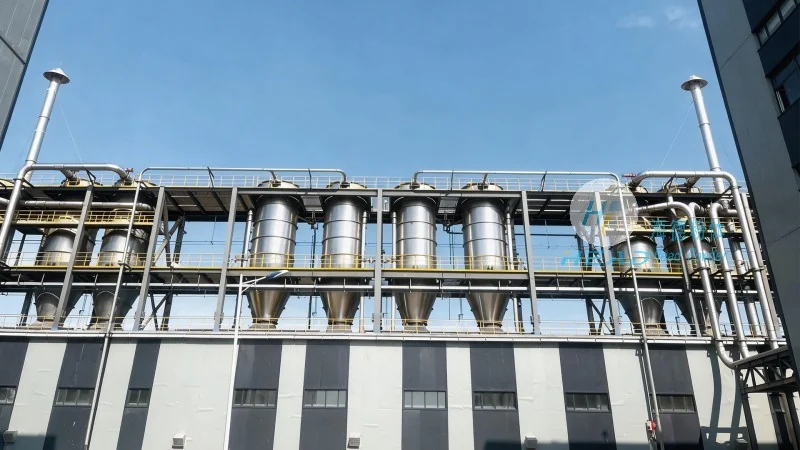
HeadPowder, a leading provider of material handling solutions, specializes in designing and manufacturing customized conveying systems tailored to the specific needs of industrial applications. With decades of experience in the field, the company understands the importance of choosing the right conveying technology to optimize performance, reduce downtime, and enhance overall operational efficiency.
Understanding Conveying Methods for Aluminum Turnings
When it comes to transporting aluminum turnings, selecting the appropriate conveying system is vital for maintaining productivity and ensuring material integrity. Two common approaches are positive pressure and negative pressure conveying, each with its own set of characteristics and applications. By evaluating factors such as material properties, system layout, and operational requirements, industrial facilities can choose the most suitable method for their needs.
Positive Pressure Conveying Systems
Positive pressure conveying systems operate by forcing material through a pipeline using a positive pressure source, such as a blower or fan. This method ensures that the material is continuously moved forward by the pressure differential created by the system. The primary advantage of positive pressure systems is their ability to handle abrasive or sticky materials without causing excessive wear on components. Additionally, these systems are generally more reliable in environments with high dust levels or where material can easily clog the pipeline.
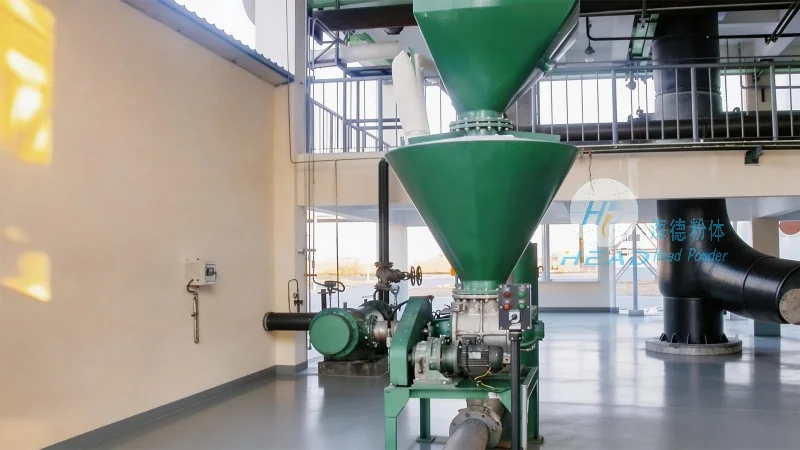
In aluminum turnings applications, positive pressure systems are often preferred for long-distance transport or when the material needs to be conveyed over multiple levels. The consistent pressure ensures that the material is not left stagnant, reducing the risk of oxidation or degradation. However, one of the main drawbacks is the higher energy consumption compared to negative pressure systems, as the blower must work against the resistance of the pipeline and material.
Negative Pressure Conveying Systems
Negative pressure, or vacuum, conveying systems work by creating a vacuum in the pipeline, which draws material from the source into the system. This method is particularly effective for handling light, fine materials that might be prone to dust or require gentle handling. The key advantage of negative pressure systems is their lower energy consumption, as the system relies on the natural movement of material into the vacuum rather than forcing it through the pipeline.
For aluminum turnings, negative pressure systems are suitable for shorter distances or when the material is relatively light and free-flowing. They are also ideal for applications where the material needs to be collected from multiple points and consolidated into a single stream. However, negative pressure systems may struggle with abrasive or sticky materials, as the vacuum can cause material to stick to the pipeline walls, leading to clogging and reduced efficiency.
Key Factors to Consider When Choosing a Conveying System
When deciding between positive and negative pressure conveying for aluminum turnings, several factors must be evaluated. The first consideration is the distance and layout of the conveying system. Longer distances typically favor positive pressure systems due to their ability to maintain consistent material flow over extended pipelines. Conversely, shorter distances or applications with multiple collection points may benefit from negative pressure systems.
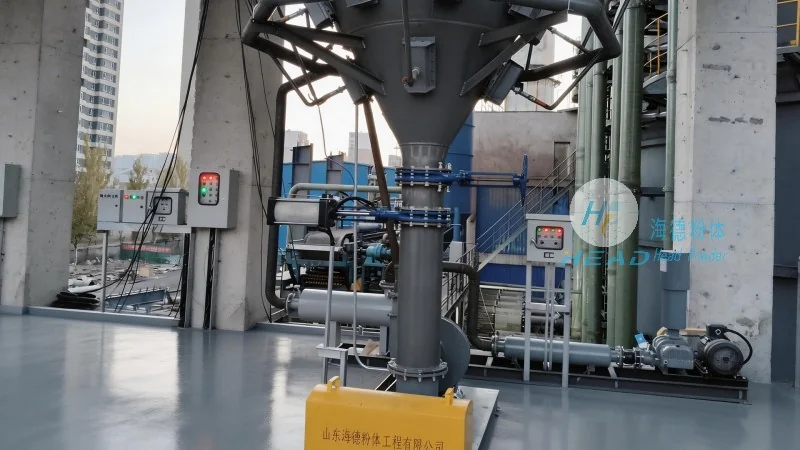
Material characteristics also play a critical role. If the aluminum turnings are abrasive or sticky, positive pressure systems may be more suitable as they can handle the increased wear and resistance. For lighter, more free-flowing materials, negative pressure systems can provide efficient and gentle transport. Additionally, the presence of dust or the need to maintain a clean environment can influence the choice, as positive pressure systems may require additional filtration to prevent dust from escaping.
Operational costs and energy efficiency are another important factor. Negative pressure systems generally consume less energy, making them more cost-effective for shorter runs or applications with low material volumes. Positive pressure systems, while more energy-intensive, offer greater reliability and are better suited for high-volume production lines.
Conclusion
Choosing between positive pressure and negative pressure conveying for aluminum turnings requires a careful assessment of operational needs, material characteristics, and system requirements. HeadPowder's expertise in material handling solutions ensures that clients receive customized systems that optimize performance and efficiency. By understanding the distinct advantages and limitations of each method, industrial facilities can select the most appropriate conveying technology to enhance their production processes and maintain high standards of material transport.




