When it comes to transporting rapeseed, selecting the right conveying system is crucial for efficiency, cost-effectiveness, and operational safety. Two primary methods are widely used: positive pressure and negative pressure systems. Understanding the differences and advantages of each is essential for making an informed decision that aligns with your specific operational needs.
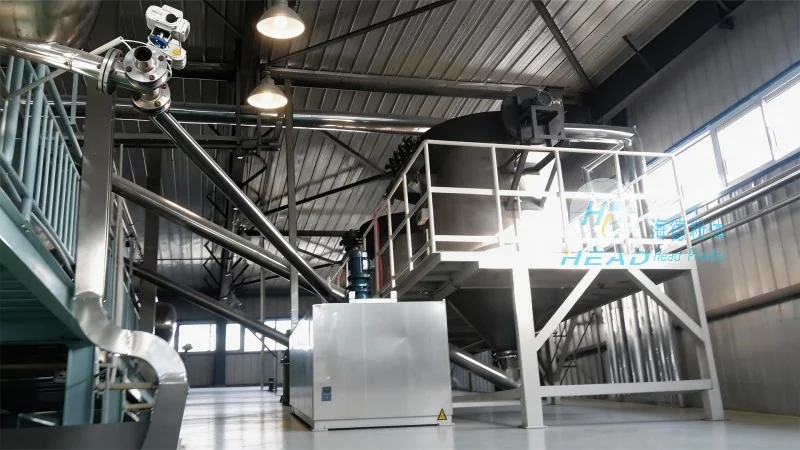
Understanding Positive Pressure Conveying
Positive pressure conveying systems operate by blowing air or gas into the conveying line, creating a pressure higher than the ambient air. This method propels the material forward through the pipeline. The primary advantage of positive pressure systems is their ability to handle a wide range of materials, including those with high moisture content or abrasive properties. They are particularly effective for long-distance conveying and can maintain consistent material flow rates. However, these systems require robust air compressors and may generate more noise and require regular maintenance to ensure optimal performance.
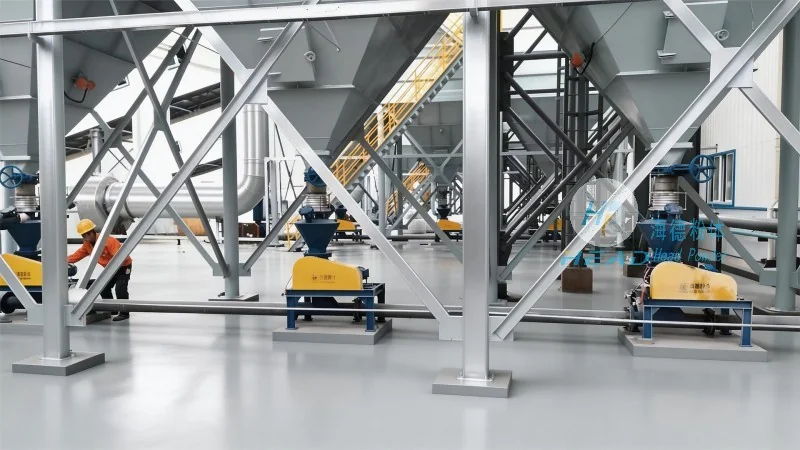
Understanding Negative Pressure Conveying
Negative pressure conveying, also known as vacuum conveying, works by creating a vacuum in the conveying line, which draws the material from the source into the system. This method is often more energy-efficient for shorter distances and can handle fine powders or granules more gently. The system typically uses a vacuum pump to create the suction force. While it is less expensive to install compared to positive pressure systems, negative pressure may struggle with materials that are too heavy or have high moisture content, as the vacuum might not be sufficient to move them effectively.
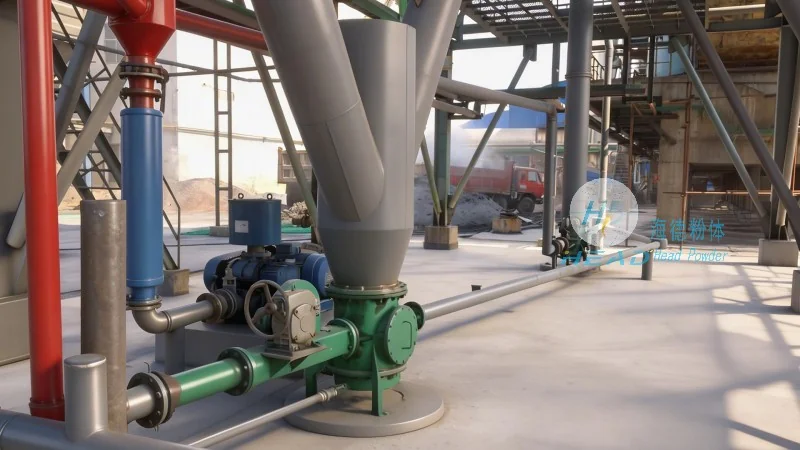
Key Differences Between Positive and Negative Pressure Systems
Several factors differentiate positive and negative pressure conveying systems. The most significant is the direction of air flow: positive pressure pushes material forward, while negative pressure pulls it. Another key difference is energy consumption; positive pressure systems generally consume more energy due to the need to generate higher pressure, whereas negative pressure systems are more energy-efficient for shorter distances. Material characteristics also play a role: positive pressure is better suited for bulkier or heavier materials, while negative pressure excels with fine powders. Additionally, maintenance requirements vary, with positive pressure systems needing more frequent checks on air compressors and seals, and negative pressure systems focusing on vacuum pump upkeep.
Factors to Consider When Choosing a Conveying System
When deciding between positive and negative pressure for rapeseed conveying, several factors should be evaluated. First, the distance of the conveying line is critical. Positive pressure is ideal for long distances, while negative pressure is more suitable for shorter runs. Second, the physical properties of the rapeseed, such as moisture content, particle size, and density, influence the choice. For example, if the rapeseed is dry and has a high bulk density, a positive pressure system may be more effective. Conversely, if the material is fine and requires gentle handling, negative pressure might be preferable. Operational costs, including energy consumption and maintenance, are also important considerations. Positive pressure systems may have higher initial and operational costs due to the need for powerful air compressors, while negative pressure systems offer lower upfront costs but may have higher maintenance costs for vacuum pumps. Finally, space constraints and existing infrastructure should be taken into account. If the facility has limited space for large air compressors, a negative pressure system might be more practical.
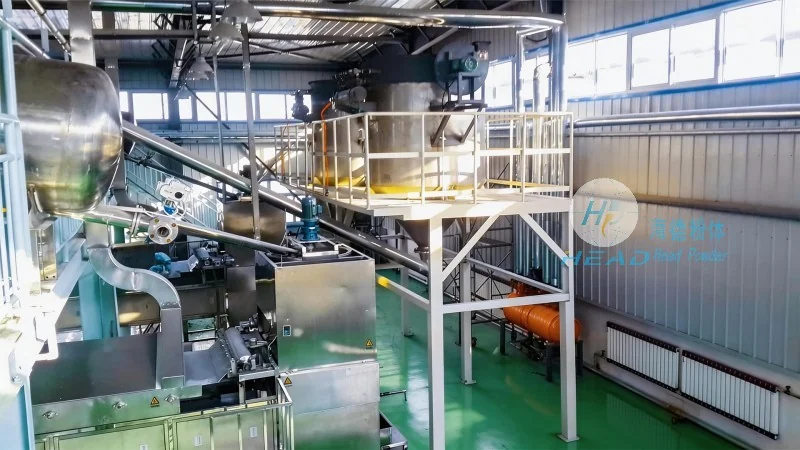
Conclusion: Making the Right Choice for Your Operation
Choosing between positive and negative pressure for rapeseed conveying requires a careful assessment of operational needs, material characteristics, and budget constraints. Positive pressure systems offer robust performance for long-distance and heavy material conveying but come with higher energy and maintenance costs. Negative pressure systems are energy-efficient for shorter distances and gentle on fine materials but may struggle with bulkier or moist contents. By evaluating these factors, you can select the most suitable conveying method to ensure efficient, reliable, and cost-effective rapeseed handling. Whether you opt for positive or negative pressure, investing in a well-designed system from a reputable manufacturer like Shandong HeadPowder Engineering Co., Ltd. can help optimize your operations and enhance productivity.




