Shandong HeadPowder Engineering Co., Ltd., a leading enterprise in the field of powder handling technology, specializes in providing advanced solutions for the efficient and safe transportation of carbon black. As a key component in various industrial processes, carbon black requires reliable and effective conveying methods to ensure smooth production workflows. This article explores the different types of pneumatic conveying systems used in carbon black handling and their practical applications, highlighting the expertise and solutions offered by HeadPowder.
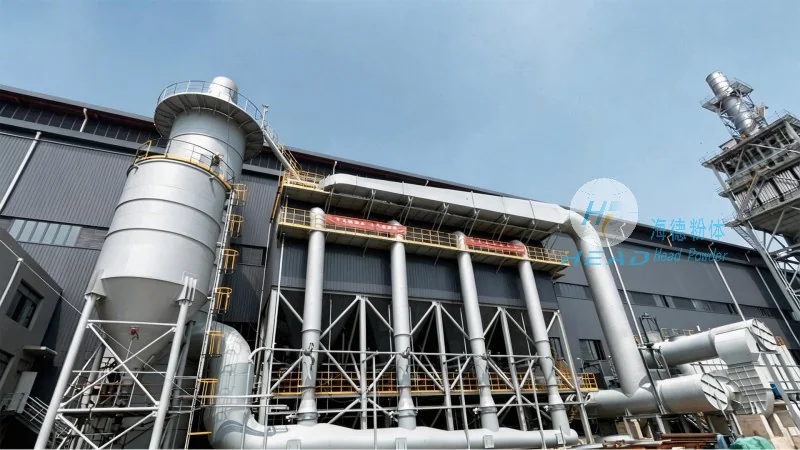
Carbon black is a crucial pigment and reinforcing agent widely used in the production of tires, plastics, and other materials. Its handling demands systems that can manage fine particles, prevent dust contamination, and maintain product quality. Pneumatic conveying systems have emerged as a preferred method due to their ability to transport powders in a closed environment, minimizing exposure to air and reducing the risk of contamination. These systems utilize air or gas to move carbon black through pipelines, offering flexibility and efficiency in material handling.
There are primarily two main categories of pneumatic conveying systems: positive pressure and negative pressure systems. Positive pressure systems, also known as pressure conveying, operate by blowing air into the conveying line, pushing the material forward. This method is suitable for short to medium distances and can handle abrasive materials like carbon black effectively. The system typically includes a blower, a hopper, and a discharge point, ensuring a continuous flow of the material. Positive pressure systems are often used in applications where the material needs to be transported from a central storage to multiple processing points.
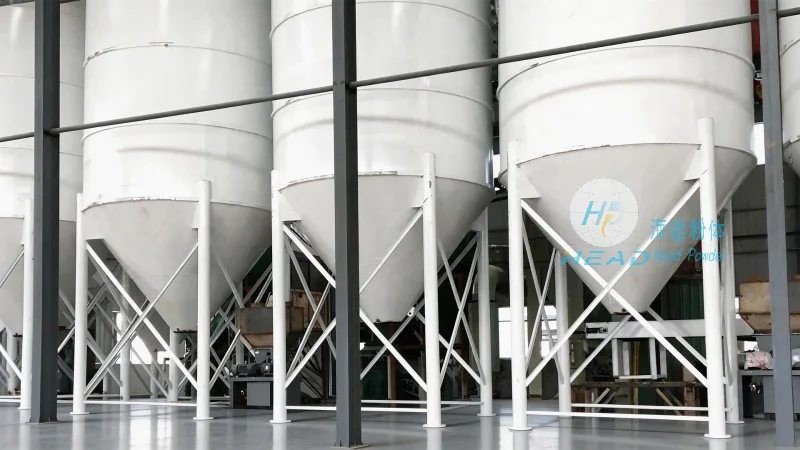
Negative pressure systems, or vacuum conveying, work by creating a vacuum in the receiving hopper, drawing the material into the system. This approach is ideal for longer distances and can handle more sensitive materials by reducing particle breakage. The system consists of a vacuum pump, a hopper, and a discharge unit, allowing for the collection of carbon black from various sources and transportation to a central location. Negative pressure systems are commonly employed in scenarios where the material is sourced from multiple points and needs to be consolidated.
Another type of pneumatic conveying system is the mixed pressure system, which combines elements of both positive and negative pressure systems. This hybrid approach offers flexibility in handling different material characteristics and distances. The mixed system can use a combination of blowers and vacuum pumps to optimize the conveying process, making it suitable for complex applications where varying conditions are encountered. For carbon black handling, the mixed system can be particularly advantageous when dealing with a mix of fine and coarse particles or when transporting materials over varying distances.
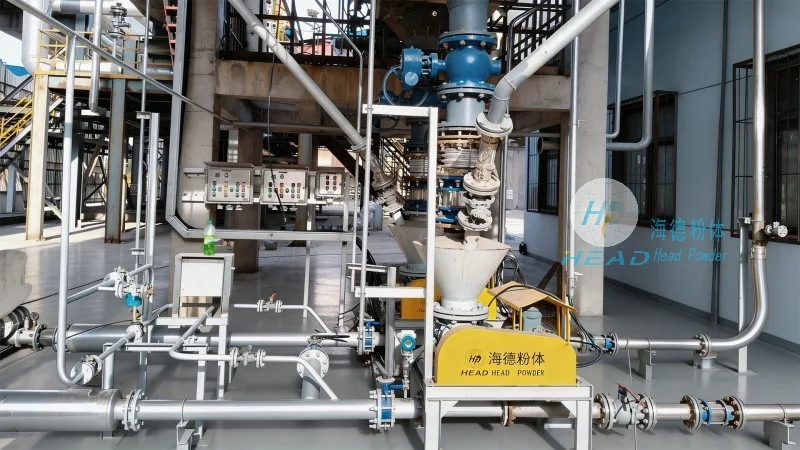
Practical applications of pneumatic conveying systems in carbon black handling span across various stages of the production and distribution process. In the manufacturing phase, these systems are used to transport carbon black from storage silos to mixing and compounding equipment. The ability to maintain a closed environment ensures that the material remains free from moisture and contaminants, which is critical for maintaining product quality. During the storage phase, pneumatic conveying systems facilitate the transfer of carbon black between storage tanks, allowing for efficient inventory management and reducing the need for manual handling.
In the distribution phase, pneumatic conveying systems play a vital role in transporting carbon black to end-users or processing facilities. This method enables the safe and efficient movement of large quantities of material over long distances, minimizing the risk of spills and dust emissions. The systems can be integrated with other equipment, such as bagging machines or blending units, to streamline the entire production and distribution workflow. By using pneumatic conveying, companies can enhance operational efficiency, reduce labor costs, and improve overall product quality.
HeadPowder, with its extensive experience in powder handling technology, offers tailored pneumatic conveying solutions for carbon black applications. The company's expertise lies in designing and implementing systems that meet the specific requirements of each client, whether it's for short-distance transport or long-distance distribution. By leveraging advanced engineering and material science, HeadPowder ensures that its systems are durable, efficient, and compliant with industry standards. The company's commitment to quality and customer satisfaction has made it a trusted partner for businesses in the carbon black industry.
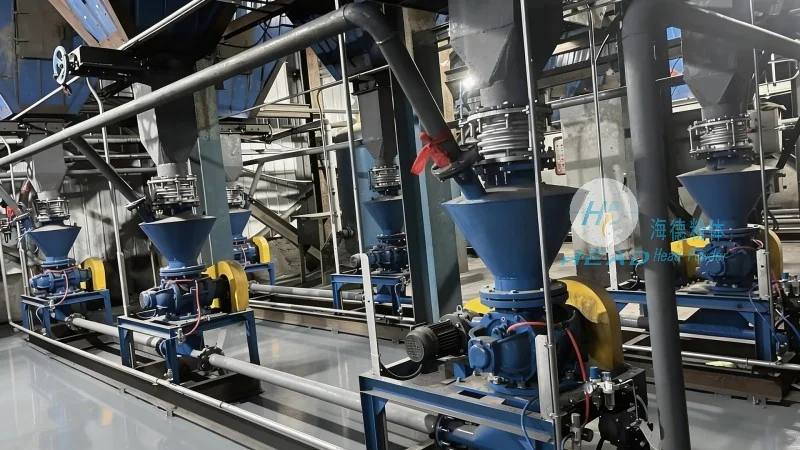
When selecting a pneumatic conveying system for carbon black handling, several factors need to be considered, including the material's properties, the distance to be covered, and the required throughput. Positive pressure systems are often preferred for short distances and high-volume applications, while negative pressure systems are suitable for longer distances and more sensitive materials. The mixed system provides a versatile option for complex scenarios. Additionally, the choice of system depends on the available space, power supply, and environmental regulations in the operating area.
Carbon black handling requires systems that can handle fine particles, maintain product integrity, and ensure operational safety. Pneumatic conveying systems, with their ability to transport materials in a closed environment, offer a solution that meets these requirements. By understanding the different types of systems and their applications, businesses can make informed decisions to enhance their production processes and improve overall efficiency. HeadPowder's expertise in this field ensures that clients receive the most suitable and effective solutions for their carbon black handling needs.




