Wheat pneumatic conveying is a critical technology in the grain handling industry, enabling the efficient and safe transport of wheat and other bulk materials. This method uses air pressure to move materials through a pipeline system, offering advantages such as reduced labor costs, improved hygiene, and enhanced operational flexibility. Understanding the principles, classifications, and practical applications of wheat pneumatic conveying is essential for optimizing grain processing and storage operations.
Introduction to Wheat Pneumatic Conveying
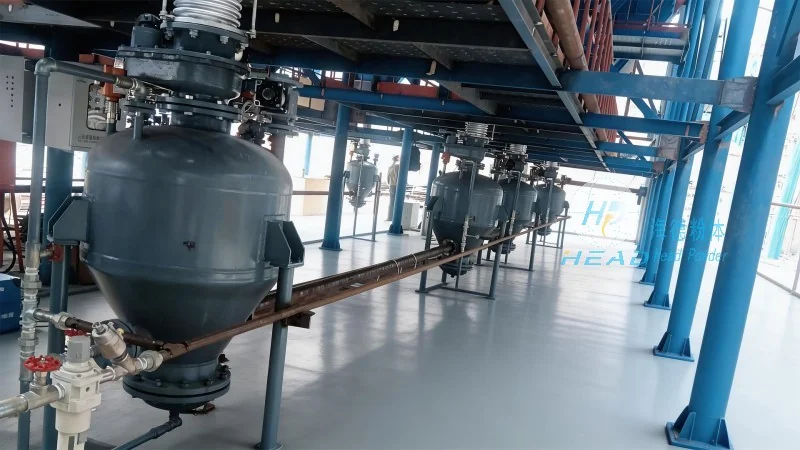
Wheat pneumatic conveying, also known as pneumatic transport, is a system that utilizes air flow to move wheat and other granular materials from one location to another. Unlike traditional mechanical conveyors, which rely on belts or screws, pneumatic systems employ a vacuum or pressure differential to propel materials through a network of pipes. This technology is widely adopted in the agricultural and food processing sectors due to its ability to handle delicate materials like wheat without causing damage or contamination. The system typically consists of a hopper, a conveying line, a separator, and a discharge point, all working in tandem to ensure smooth material transfer.
Key Components of a Wheat Pneumatic Conveying System
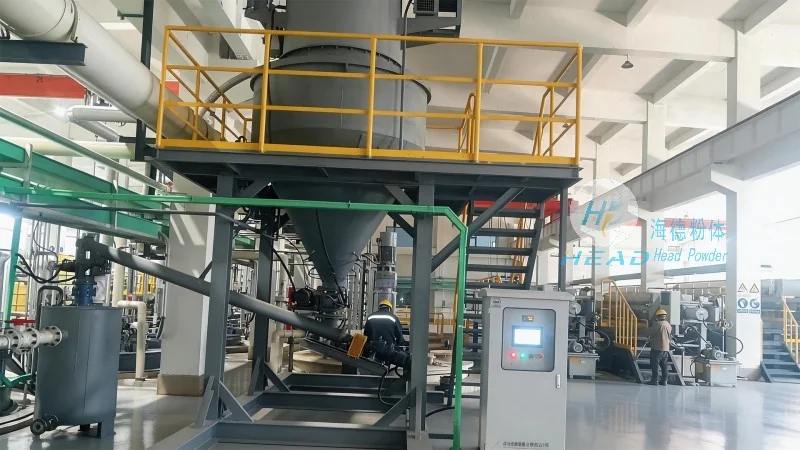
The effectiveness of a wheat pneumatic conveying system depends on several key components. The hopper is the primary storage vessel where wheat is loaded before being conveyed. It is designed to maintain material flow and prevent clogging. The conveying line, often made of stainless steel or plastic, is the main pathway for the material and air mixture. The line's diameter and length are critical factors that affect the system's performance, as they influence the air velocity and pressure required for efficient transport. A separator, such as a cyclone or filter, is used to separate the wheat from the air stream, ensuring that the material is delivered to the destination without dust or debris. Finally, the discharge point, which can be a silo, storage bin, or processing unit, receives the wheat after it has been conveyed.
Classification of Wheat Pneumatic Conveying Systems
Wheat pneumatic conveying systems are categorized based on the pressure used to move the material. The two main types are vacuum (or suction) systems and pressure (or positive) systems. Vacuum systems use a vacuum pump to create a negative pressure in the conveying line, drawing the wheat and air mixture from the source. These systems are ideal for short to medium distances and are commonly used in applications where the material needs to be transported from a lower elevation to a higher one. Pressure systems, on the other hand, use a blower or compressor to generate positive pressure in the line, pushing the material forward. Pressure systems are suitable for longer distances and can handle higher material loads, making them popular in large-scale grain handling operations.
Applications of Wheat Pneumatic Conveying in Grain Handling
Wheat pneumatic conveying is widely used in various stages of grain processing and storage. In the agricultural sector, it is employed for the collection and transport of wheat from fields to storage facilities. The system can efficiently handle large volumes of wheat, reducing the time and labor required for manual handling. In food processing plants, pneumatic conveying is used to move wheat to milling machines, where it is ground into flour. The technology ensures that the wheat is delivered in a clean and consistent manner, which is crucial for maintaining product quality. Additionally, in storage facilities, pneumatic conveying is used to transfer wheat between silos or bins, allowing for better inventory management and reduced risk of spoilage. The system's ability to handle bulk materials in a hygienic and efficient manner makes it an indispensable tool in modern grain handling operations.
Advantages of Wheat Pneumatic Conveying
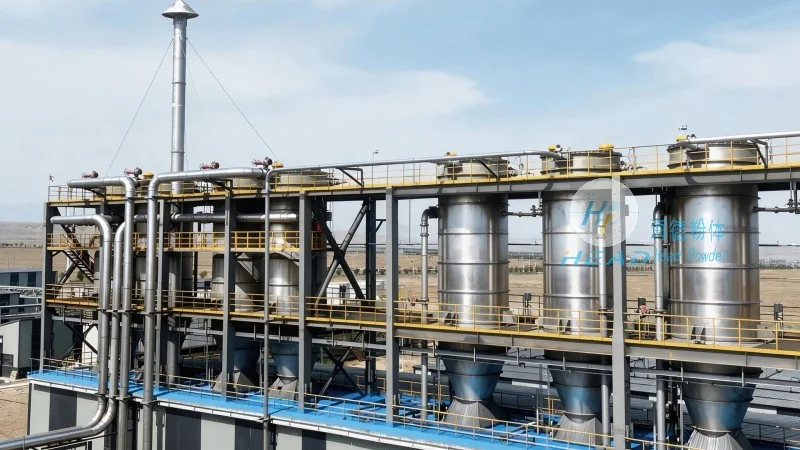
Compared to traditional mechanical conveyors, wheat pneumatic conveying offers several advantages. One of the most significant benefits is the reduction in labor costs, as the system automates the material transport process. This not only saves money but also minimizes the risk of human error and workplace injuries. Another advantage is improved hygiene, as the enclosed system prevents dust and contaminants from entering the environment. This is particularly important in food processing facilities, where maintaining a clean and safe working environment is a top priority. Additionally, pneumatic systems are more flexible and adaptable, as they can be easily reconfigured to accommodate changes in production or storage needs. The ability to transport materials over long distances without the need for multiple transfer points also enhances operational efficiency.
Considerations for Implementing Wheat Pneumatic Conveying
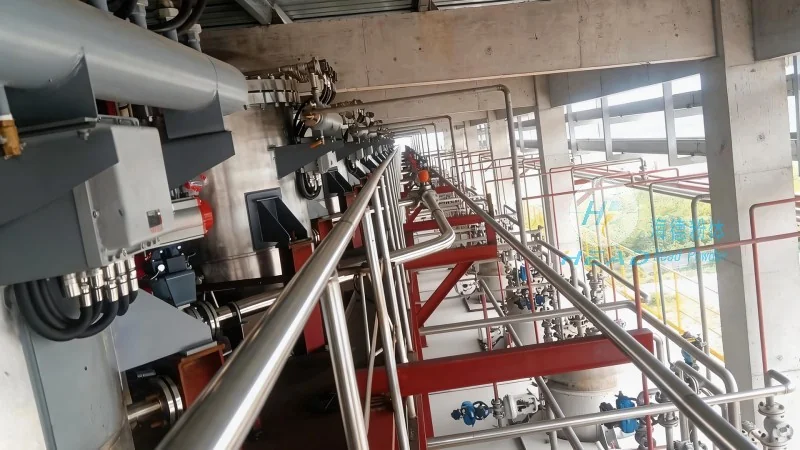
While wheat pneumatic conveying offers numerous benefits, there are several factors to consider when implementing such a system. The first consideration is the material characteristics of the wheat, such as its moisture content and particle size. These factors can affect the system's performance and may require adjustments to the air velocity or pressure. Another important consideration is the distance and elevation changes between the source and destination. Longer distances or significant elevation changes may require more powerful equipment or additional components, such as boosters or cyclones. The cost of installation and maintenance is also a key factor, as pneumatic systems can be more expensive to set up than traditional conveyors. However, the long-term benefits, including increased efficiency and reduced labor costs, often outweigh the initial investment.
Conclusion
Wheat pneumatic conveying is a sophisticated and efficient technology that plays a vital role in the grain handling industry. By understanding the different classifications and applications of this system, businesses can optimize their operations and improve overall productivity. As the demand for high-quality wheat products continues to grow, the importance of reliable and effective conveying systems will only increase. Companies like Shandong HeadPowder Engineering Co., Ltd., based in China, specialize in designing and manufacturing advanced pneumatic conveying systems tailored to the specific needs of their clients. With a focus on innovation and quality, these companies are helping to advance the grain processing industry and ensure the efficient movement of wheat and other bulk materials.




