Grain pneumatic conveying is a method used in the agricultural and food processing industries to transport bulk materials like grains, powders, and other particulate solids through a pipeline system using air or other gases as the conveying medium. This technology offers several advantages over traditional mechanical conveying methods, including reduced equipment wear, lower maintenance costs, and the ability to handle a wide range of materials with varying properties. Shandong HeadPowder Engineering Co., Ltd. specializes in designing and manufacturing advanced pneumatic conveying systems tailored to the unique needs of grain handling operations.
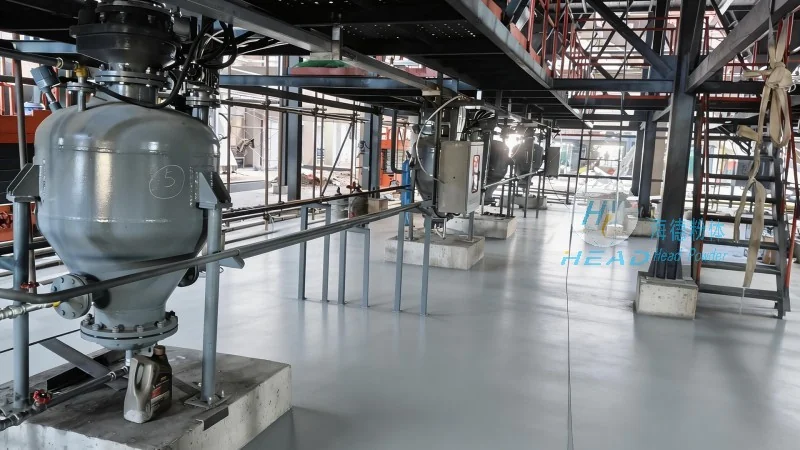
Understanding Grain Pneumatic Conveying
At its core, grain pneumatic conveying involves the creation of a flow of air or gas within a pipeline. The material to be conveyed is introduced into the system, often through a hopper or feeder, and is then entrained by the moving air stream. The air velocity is carefully controlled to ensure that the material particles are suspended and transported efficiently through the pipeline to the destination point, such as a silo, storage bin, or processing unit. This process is particularly effective for handling fine or dusty materials that might be difficult to move using mechanical conveyors, as it minimizes dust generation and prevents material degradation.
Classification of Pneumatic Conveying Systems
Pneumatic conveying systems are typically classified based on the direction of air flow and the pressure within the system. The two main categories are pressure and vacuum systems. Pressure systems operate by blowing air into the pipeline, creating a positive pressure that pushes the material forward. These systems are commonly used for short to medium-distance conveying and are suitable for materials that are free-flowing and non-abrasive. Vacuum systems, on the other hand, use a vacuum pump to draw material into the pipeline, creating a negative pressure that pulls the material. Vacuum systems are often preferred for longer distances or when the material needs to be conveyed from multiple sources to a single destination, as they can handle more complex layouts and are less affected by changes in elevation.
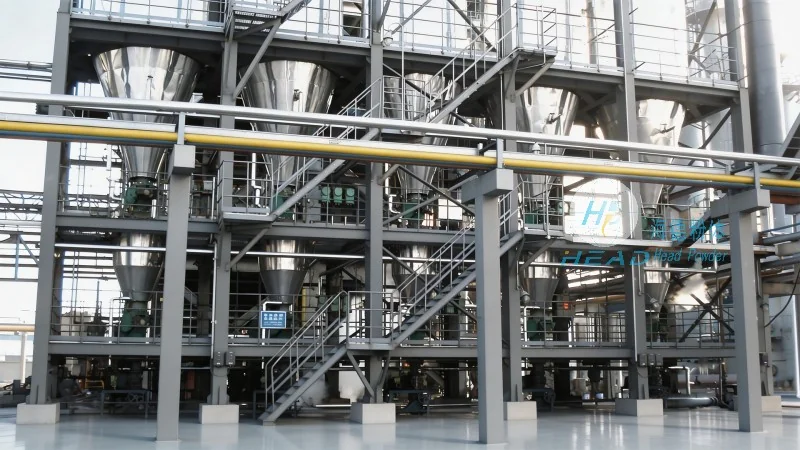
Applications of Pneumatic Conveying in Grain Handling
Grain pneumatic conveying is widely used in various stages of grain processing and storage. In the agricultural sector, it is employed for the collection and transportation of harvested grains from fields to storage facilities. The system can efficiently move large quantities of grain from the combine harvester to a grain cart or truck, ensuring minimal loss and contamination. In food processing plants, pneumatic conveying is used to transport raw materials such as wheat, corn, or soybeans to processing equipment like mills, extruders, or dryers. This method helps maintain the quality of the grains by preventing exposure to moisture and contaminants during transport.
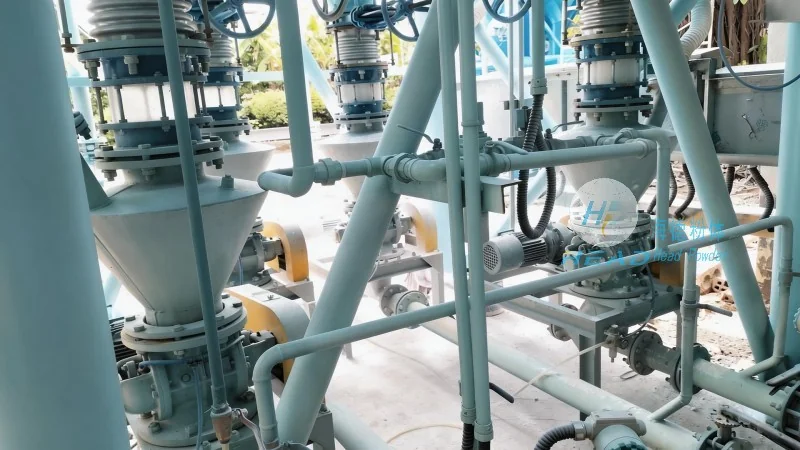
Advantages of Using Pneumatic Conveying for Grain Handling
One of the key advantages of pneumatic conveying is its ability to handle a diverse range of grain types and particle sizes. Unlike mechanical conveyors that may require adjustments for different materials, pneumatic systems can be configured to accommodate various grain characteristics, including moisture content and bulk density. Additionally, this technology offers better control over material flow, allowing for precise dosing and feeding into processing equipment. The enclosed pipeline system also reduces dust and odor emissions, contributing to a cleaner and safer working environment. Furthermore, pneumatic conveying systems are generally more compact and can be installed in tight spaces, making them suitable for facilities with limited floor space.
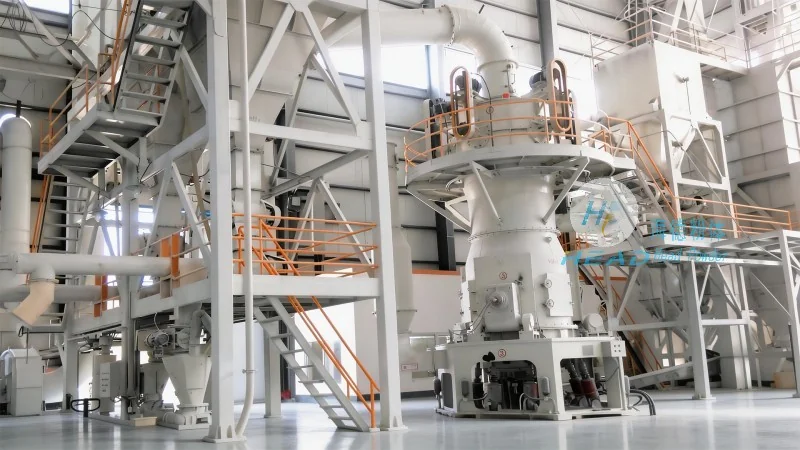
Key Considerations for Implementing Grain Pneumatic Conveying
When implementing a grain pneumatic conveying system, several factors need to be considered to ensure optimal performance and efficiency. The first is the selection of the appropriate system type, whether pressure or vacuum, based on the conveying distance, material properties, and layout of the facility. The second is the design of the pipeline system, including the size and material of the pipes, which must be chosen to handle the specific grain characteristics and air flow rates. Proper maintenance of the system components, such as air filters, cyclones, and pumps, is also crucial to prevent clogging and ensure consistent operation. Additionally, the system should be equipped with safety features, such as pressure relief valves and dust collection systems, to protect both the equipment and the personnel working with the grain.
Conclusion
Grain pneumatic conveying is a highly effective and versatile technology for transporting bulk grains and powders in the agricultural and food processing industries. By understanding the different classification of pneumatic systems and their applications, businesses can choose the most suitable solution for their specific needs. With proper design and maintenance, pneumatic conveying systems can provide reliable, efficient, and cost-effective material handling solutions, contributing to improved productivity and quality in grain processing operations.




