Understanding the principles and applications of pneumatic conveying systems is crucial for industries handling fine powders like magnesium oxide. This article explores the fundamentals of magnesium oxide powder pneumatic conveying, categorizes the different types of pneumatic conveying systems, and highlights their practical applications.
Pneumatic Conveying: An Overview
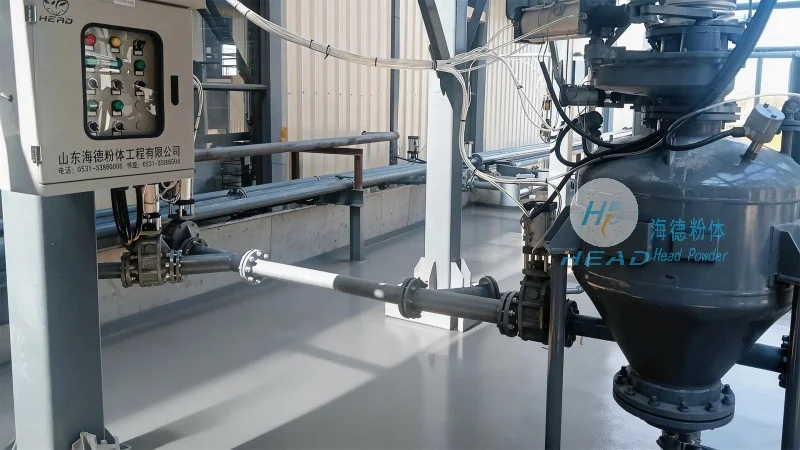
Pneumatic conveying is a method of transporting bulk materials, such as powders and granules, through a pipeline using air or gas as the conveying medium. It offers advantages like flexibility in layout, reduced equipment footprint, and the ability to handle materials that are difficult to transport via traditional methods. The process involves creating a pressure differential or using vacuum to move the material through the system.
What is Magnesium Oxide Powder Pneumatic Conveying?
Magnesium oxide powder pneumatic conveying specifically refers to the application of pneumatic conveying technology to transport magnesium oxide powder, a fine, white powder commonly used in construction, refractory materials, and chemical industries. The challenge lies in handling the fine particles, which are prone to caking, segregation, and dust generation. Pneumatic conveying systems are designed to address these challenges by providing efficient, dust-free, and controlled transport of magnesium oxide powder.
Classification of Pneumatic Conveying Systems
Pneumatic conveying systems are typically classified based on the pressure differentials and operational principles. The two main categories are:
1. Dilute Phase Pneumatic Conveying
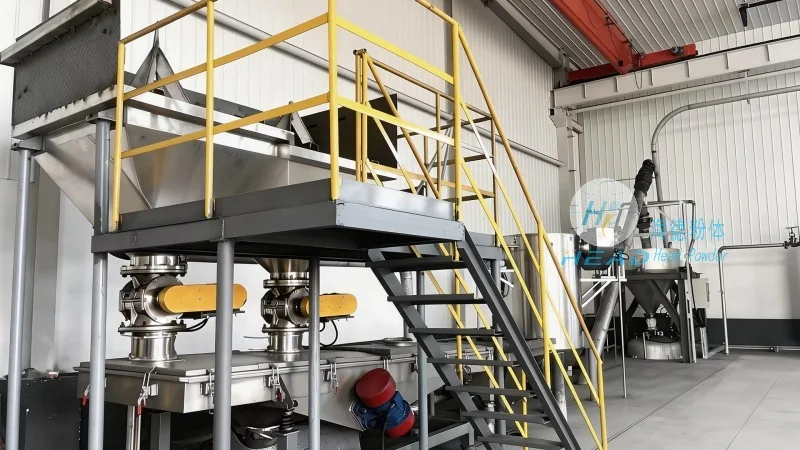
In dilute phase systems, the material is suspended in the air stream and transported at high velocities. This method is suitable for long-distance transport and is commonly used for materials that are not abrasive or corrosive. The system operates under positive pressure, where air is forced through the pipeline at high speeds to carry the powder.
2. Dense Phase Pneumatic Conveying
Dense phase systems transport material in a more concentrated form, where the particles are not fully suspended but move in a slurry-like state. This method is ideal for handling sensitive materials that require gentle handling, such as pharmaceuticals or food products. The system operates under lower velocities and higher pressure, reducing the risk of material degradation.
Applications of Pneumatic Conveying in Magnesium Oxide Handling
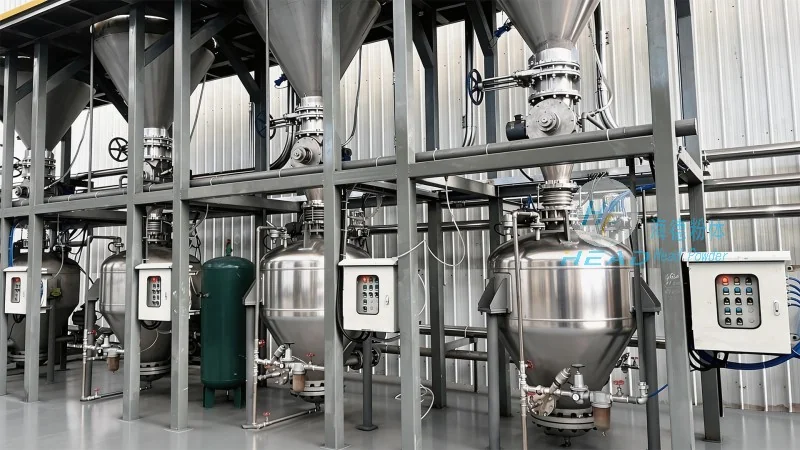
The use of pneumatic conveying in magnesium oxide powder handling has become essential for several reasons. Firstly, it provides a dust-free environment, which is critical for maintaining product quality and worker safety. Secondly, it offers precise control over the flow rate and direction of the material, ensuring consistent processing in downstream operations like mixing, packaging, and storage.
Case Study: Shandong HeadPowder Engineering Co., Ltd.
Shandong HeadPowder Engineering Co., Ltd., a leading manufacturer of pneumatic conveying equipment based in China, specializes in designing and supplying customized solutions for magnesium oxide powder handling. The company’s expertise lies in understanding the unique properties of magnesium oxide and tailoring pneumatic conveying systems to meet specific industrial requirements. Their systems are engineered to handle the challenges associated with fine powder transport, including preventing caking and ensuring efficient material transfer.
Conclusion
Pneumatic conveying is a versatile and efficient method for transporting magnesium oxide powder, offering significant advantages over traditional bulk handling methods. By understanding the different classifications and applications of pneumatic conveying systems, industries can optimize their material handling processes, improve product quality, and enhance operational efficiency. For businesses seeking reliable solutions for magnesium oxide powder transport, Shandong HeadPowder Engineering Co., Ltd. provides expert engineering and high-quality equipment to meet their needs.




