Pneumatic conveying is a method used to transport bulk materials, such as iron ore powder, through a pipeline using air or gas. This technology has become increasingly important in industrial applications due to its efficiency and ability to handle fine powders like iron ore. Understanding the principles and applications of pneumatic conveying for iron ore powder is crucial for optimizing material handling processes in various industries.
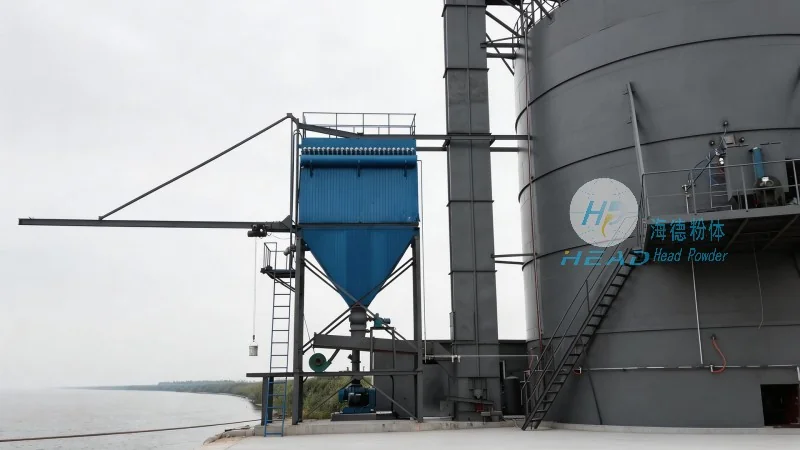
What is Iron Ore Powder Pneumatic Conveying?
Iron ore powder pneumatic conveying involves the transport of iron ore particles in a fluidized state within a pipeline. The process typically uses a blower or compressor to generate airflow, which carries the iron ore powder from the source to the destination. This method is particularly suitable for iron ore powder due to its fine particle size and the need for dust-free or controlled environment transport. The system includes components like a hopper, feeder, pipeline, and receiver, all working together to ensure efficient and reliable material transport.
Classification of Pneumatic Conveying Systems
Pneumatic conveying systems are generally classified into two main types: aspirating (or suction) systems and pressure (or positive pressure) systems. Aspirating systems use a vacuum at the receiver to draw material from the source, making them ideal for applications where the material is to be transported over short distances or where the source is at a higher elevation. Pressure systems, on the other hand, use compressed air to push the material through the pipeline, suitable for longer distances and higher material flow rates. Within these categories, subtypes include dilute-phase and dense-phase conveying, each with distinct characteristics and applications.
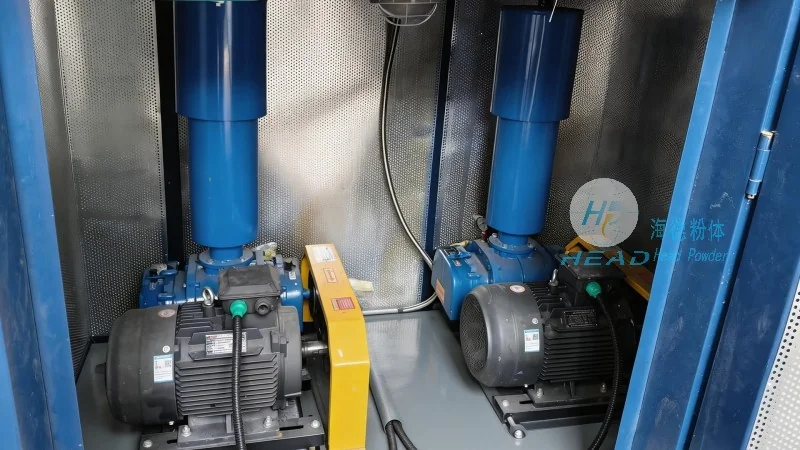
Key Components of Iron Ore Powder Pneumatic Conveying Systems
The effectiveness of iron ore powder pneumatic conveying depends on several key components. The hopper is used to store and feed the iron ore powder, ensuring a consistent supply to the system. The feeder, such as a rotary valve or screw feeder, controls the flow rate of the material into the pipeline. The blower or compressor generates the necessary airflow, with pressure or vacuum levels adjusted based on the system type. The pipeline must be designed to handle the specific characteristics of iron ore powder, including particle size, moisture content, and flow properties. Finally, the receiver collects the material at the destination, often equipped with a dust collection system to prevent environmental contamination.
Applications of Iron Ore Powder Pneumatic Conveying
Iron ore powder pneumatic conveying is widely used in various industrial sectors. In the steel industry, it is essential for transporting iron ore from storage facilities to blast furnaces or sintering plants. The mining industry also utilizes this technology to move iron ore from ore bins to processing equipment. Additionally, in the chemical and pharmaceutical industries, iron ore powder is used as a raw material, and pneumatic conveying ensures safe and efficient transport. The method is particularly advantageous in applications where traditional methods like belt conveyors are not feasible due to space constraints or the need for dust-free environments.
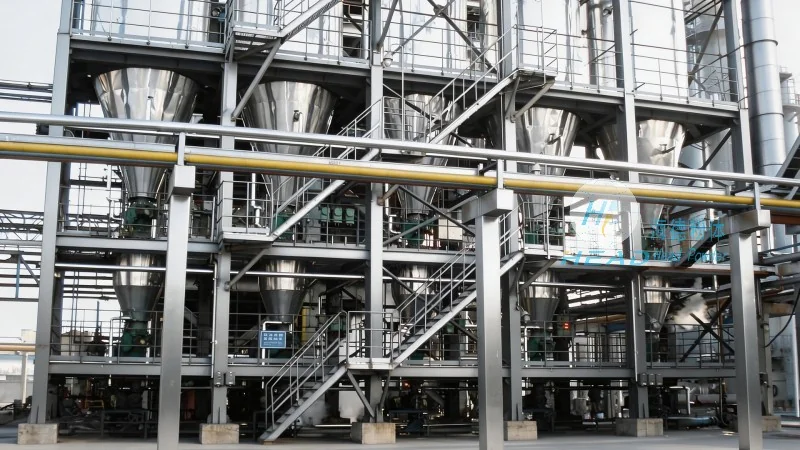
Advantages of Using Pneumatic Conveying for Iron Ore Powder
There are several advantages to using pneumatic conveying for iron ore powder. One of the primary benefits is the ability to transport material in a closed system, which reduces dust emissions and improves workplace safety. This is crucial for iron ore powder, which can be a respiratory hazard if not handled properly. Another advantage is the flexibility of the system, as it can be easily adapted to different distances and flow rates. Pneumatic conveying also minimizes material degradation, as the fine particles are not subjected to abrasion or impact that can occur with other transport methods. Furthermore, the system can be integrated with other processing equipment, streamlining the overall material handling process.
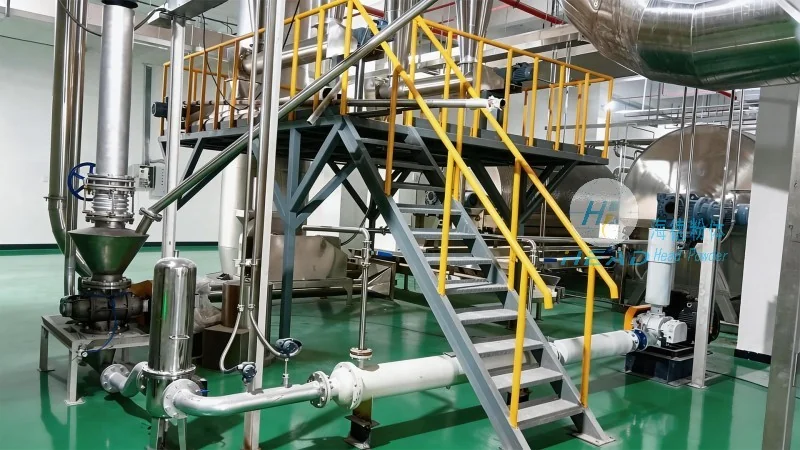
Challenges and Considerations in Iron Ore Powder Pneumatic Conveying
While pneumatic conveying offers many benefits, there are also challenges to consider. One of the main challenges is the potential for pipeline blockages, especially with fine iron ore powder that can agglomerate. Proper system design, including the use of appropriate pipeline materials and regular maintenance, is essential to prevent blockages. Another consideration is the energy consumption, as blower or compressor systems require significant power. However, advancements in technology have led to more energy-efficient solutions, such as variable frequency drives, which can optimize energy use based on the system's load. Additionally, the cost of equipment and installation must be considered, as pneumatic conveying systems can be more expensive than traditional methods initially. Nonetheless, the long-term benefits in terms of efficiency and safety often outweigh these initial costs.
Case Study: Application in a Steel Mill
Shandong HeadPowder Engineering Co., Ltd. has successfully implemented an iron ore powder pneumatic conveying system in a large steel mill. The system was designed to transport iron ore powder from storage silos to the blast furnace, covering a distance of approximately 500 meters. The system uses a pressure conveying method with a dense-phase configuration, ensuring efficient and reliable transport. The hopper and feeder were sized to handle the mill's production capacity, and the pipeline was constructed from stainless steel to prevent corrosion from the iron ore powder. The receiver at the blast furnace was equipped with a dust collection system to meet environmental regulations. The implementation of this system resulted in a significant reduction in material handling time and improved safety for the workers. The steel mill reported a 20% increase in production efficiency and a 15% reduction in dust emissions compared to traditional methods.




