Hydrogen sulfide (H₂S) is a highly toxic and corrosive gas commonly encountered in industrial processes, particularly in oil and gas, petrochemical, and mining operations. Pneumatic conveying systems are widely used to transport H₂S safely and efficiently, and the effectiveness of these systems heavily relies on the proper design and implementation of key structural components. This article explores the main structures involved in hydrogen sulfide pneumatic conveying, providing insights into their functions, design considerations, and practical applications.
Company Introduction
HeadPowder, a leading engineering firm based in Shandong, China, specializes in the design, manufacturing, and installation of advanced pneumatic conveying systems for hazardous materials. With years of experience in the industry, HeadPowder Engineering Co., Ltd. has developed robust solutions tailored to the unique challenges of H₂S handling, ensuring compliance with safety standards and operational efficiency.
Primary Structures in Hydrogen Sulfide Pneumatic Conveying
The core components of a hydrogen sulfide pneumatic conveying system include the material feed hopper, the conveying line (including pipes and fittings), the air supply system (blowers and compressors), and the dust collection or gas treatment unit. Each of these components plays a critical role in the overall performance and safety of the system.
1. Material Feed Hopper
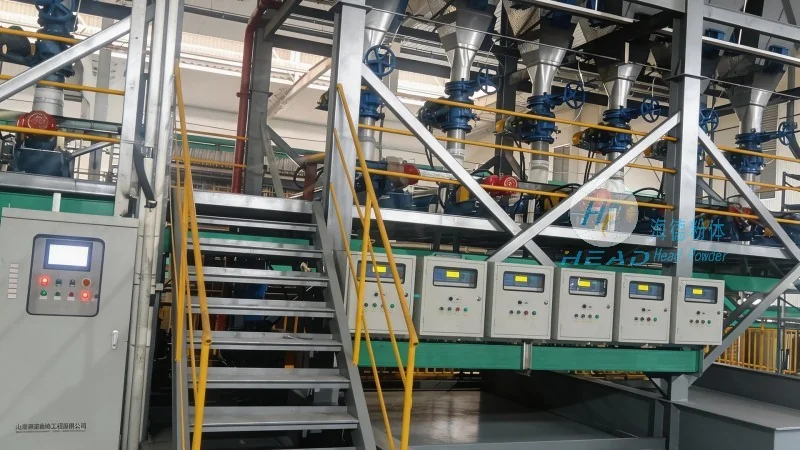
The material feed hopper is the initial structure where solid H₂S-containing materials are introduced into the conveying system. It is designed to store and meter the material at a controlled rate, ensuring a consistent flow into the conveying line. The hopper typically features a sloped bottom with a discharge valve or gate, allowing precise control over the material feed. For H₂S applications, the hopper is constructed from corrosion-resistant materials such as stainless steel or specialized alloys to withstand the chemical exposure and prevent leaks. Additionally, the hopper may include a pre-screening or pre-drying section to remove oversized particles or moisture, which can affect the conveying efficiency and system performance.
2. Conveying Line and Fittings
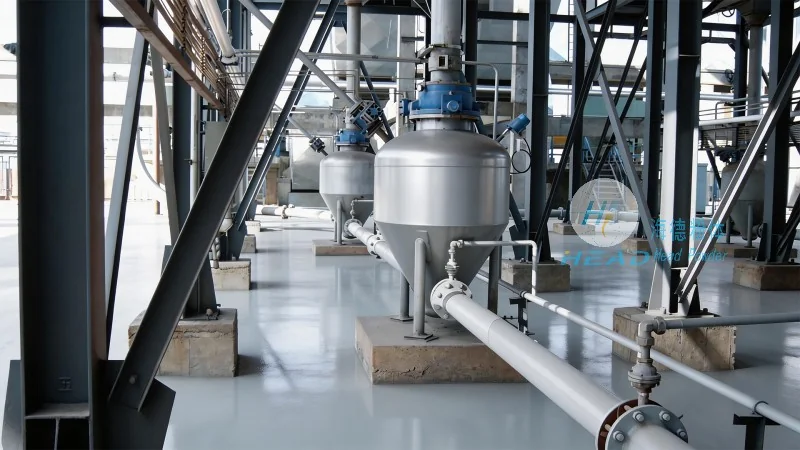
The conveying line, composed of pipes and fittings, forms the main pathway for transporting H₂S and the material. The choice of pipe material is critical, as it must resist corrosion from H₂S and other corrosive byproducts. Common materials include stainless steel, polyethylene, or specialized coatings applied to metal pipes. The line is typically arranged in a straight or slightly inclined configuration to facilitate the movement of material under pneumatic pressure. Fittings such as elbows, tees, and reducers are used to direct the flow and maintain the system's pressure. In H₂S systems, all fittings are designed with smooth transitions to minimize pressure loss and prevent material buildup, which could lead to blockages or safety hazards.
3. Air Supply System
The air supply system, including blowers and compressors, provides the necessary pressure and airflow to move the material through the conveying line. For H₂S applications, the air system must be equipped with proper filtration and drying to remove moisture and contaminants, as moisture can react with H₂S to form corrosive acids. The blower or compressor is selected based on the required airflow rate and pressure, which depends on the material's characteristics (e.g., density, particle size) and the system's length. The system may also include a pressure regulator and a safety valve to maintain stable operation and prevent over-pressurization.
4. Gas Treatment and Dust Collection
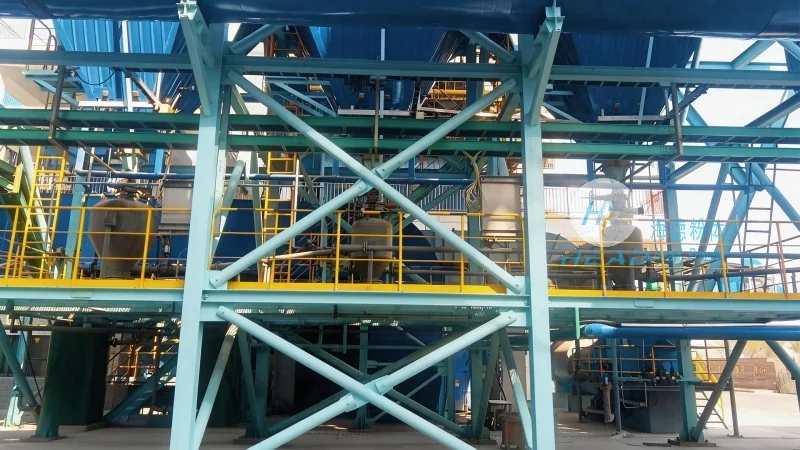
At the end of the conveying line, a gas treatment or dust collection unit is essential to handle the exhaust gas and any particulate matter. This structure typically includes a cyclone separator or a baghouse filter to remove solid particles from the exhaust air. The gas may then pass through a scrubber or an activated carbon filter to neutralize any remaining H₂S or acidic gases, ensuring compliance with environmental regulations and worker safety. The treated gas is then discharged safely into the atmosphere or recirculated if necessary. This component is crucial for maintaining the overall safety and environmental performance of the H₂S pneumatic conveying system.
Design Considerations for H₂S Pneumatic Conveying Structures
When designing hydrogen sulfide pneumatic conveying structures, several factors must be carefully considered to ensure optimal performance and safety. First, material selection is paramount, as the components must resist corrosion and chemical attack from H₂S. Stainless steel, high-grade alloys, and specialized coatings are commonly used to protect against corrosion. Second, system pressure and airflow must be optimized based on the material's properties, such as particle size, density, and moisture content. Proper sizing of the air supply and conveying line is essential to avoid excessive pressure loss or material blockages. Third, safety features, including pressure relief valves, explosion-proof components, and gas detection systems, are critical to prevent accidents and ensure worker safety. Finally, regular maintenance and inspection of the structures are necessary to identify and address any issues before they become major problems.
Applications and Benefits
Hydrogen sulfide pneumatic conveying systems are widely used in various industries, including oil and gas production, petrochemical processing, and mining. The main benefits of these systems include improved safety by reducing direct contact with H₂S, increased efficiency by automating material transport, and reduced labor costs by minimizing manual handling. Additionally, the use of corrosion-resistant materials and proper design helps extend the system's lifespan and reduce maintenance costs over time. HeadPowder Engineering Co., Ltd. has successfully implemented H₂S pneumatic conveying systems in numerous projects, providing reliable and cost-effective solutions for clients across China and beyond.




