

Main Structures of Powdered Stone Particle Pneumatic Conveying
Pneumatic conveying systems are critical in the handling and transportation of powdered stone materials, offering efficient and reliable solutions for various industrial applications. The main structures of such systems are designed to ensure optimal performance, safety, and durability. This article explores the key components and structures that constitute a typical powdered stone particle pneumatic conveying system, highlighting the expertise of Shandong HeadPowder Engineering Co., Ltd. (headpowder) in providing advanced solutions for material handling needs.
Key Structural Components of Powdered Stone Particle Pneumatic Conveying Systems
The core structures of a pneumatic conveying system for powdered stone particles typically include several essential elements. These components work in synergy to facilitate the transport of materials from the source to the destination. The primary structures include the material feed hopper, the air supply system, the conveying line, and the discharge equipment. Each of these components plays a vital role in the overall efficiency and effectiveness of the system.
Material Feed Hopper
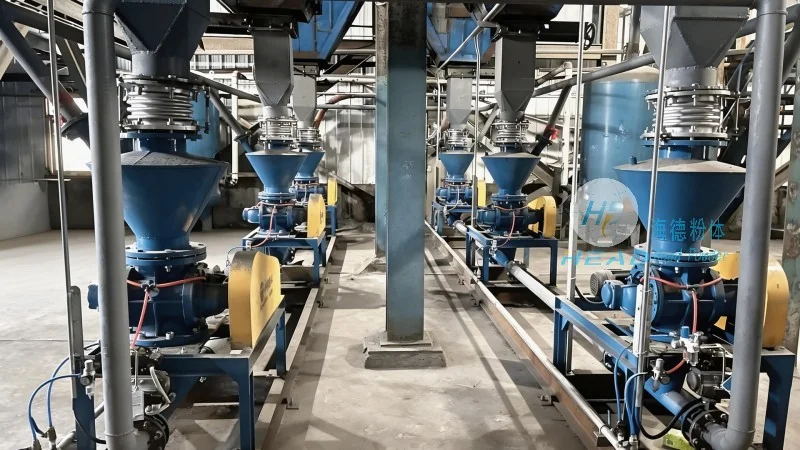
The material feed hopper is the initial structure where powdered stone particles are loaded. It is designed to store and feed the material into the conveying system. The hopper is equipped with a feeding mechanism, such as a rotary valve or a screw feeder, which controls the flow rate of the material. This structure ensures a consistent and controlled supply of the material, preventing blockages and maintaining the system's performance. The design of the hopper is crucial as it must handle the specific characteristics of the powdered stone, such as particle size, density, and flowability.
Air Supply System
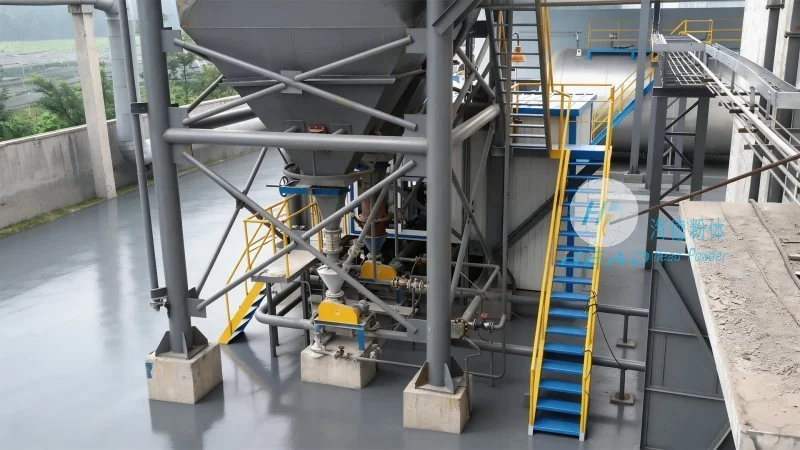
The air supply system is another critical structure in the pneumatic conveying process. It generates the necessary air pressure and flow to move the powdered stone particles through the conveying line. The system typically includes a blower or a compressor, which provides the motive force. The air is then directed through the conveying line, creating a flow that carries the particles. The air supply system must be capable of handling the specific air volume and pressure required for the material being conveyed. Proper maintenance and selection of the air supply equipment are essential to ensure the system operates efficiently and safely.
Conveying Line
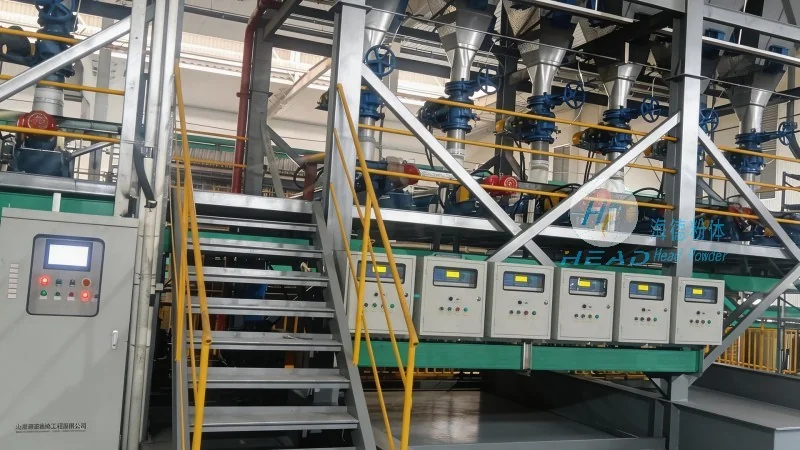
The conveying line is the main structure that transports the powdered stone particles from the feed hopper to the discharge point. It is usually made of metal or plastic, depending on the material being conveyed and the operating conditions. The line is designed to withstand the pressure and temperature of the conveying process. The length and diameter of the conveying line are determined based on the distance and volume of material to be transported. The line may include bends, elbows, or other fittings to direct the flow of material and air. The design of the conveying line is critical to minimize pressure drop and ensure the material is conveyed smoothly without segregation or degradation.
Discharge Equipment
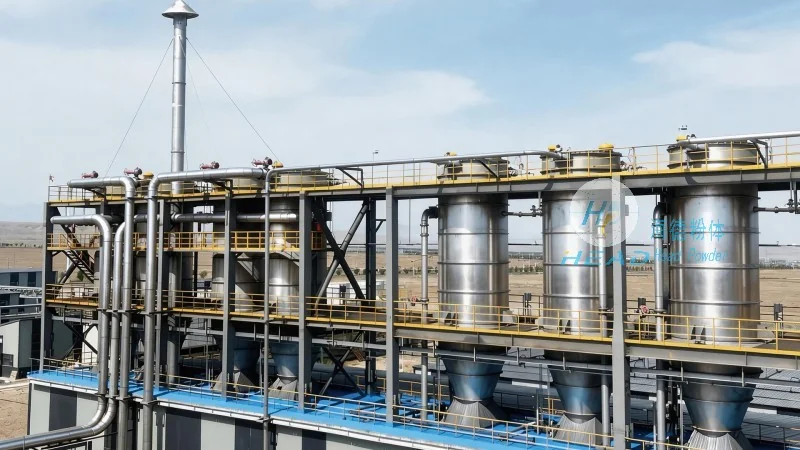
The discharge equipment is the final structure where the powdered stone particles are released from the conveying system. It is typically located at the destination point, such as a storage silo or a processing unit. The discharge equipment includes a valve or a hopper that controls the flow of material out of the system. The design of the discharge equipment is important to prevent material buildup and ensure a smooth discharge. It may also include a dust collection system to control air emissions and maintain a clean working environment.
Control and Monitoring Structures
In addition to the primary components, modern pneumatic conveying systems for powdered stone particles often include control and monitoring structures. These structures help in managing the operation of the system and ensuring its optimal performance. The control system typically includes sensors and controllers that monitor parameters such as pressure, flow rate, and material level. The monitoring system provides real-time data and alerts for any deviations or issues. This helps in maintaining the system's efficiency and preventing downtime. The control and monitoring structures are essential for the safe and reliable operation of the pneumatic conveying system.
Conclusion
Understanding the main structures of powdered stone particle pneumatic conveying systems is crucial for selecting and implementing an effective material handling solution. Each component, from the material feed hopper to the discharge equipment, plays a vital role in the system's performance. Shandong HeadPowder Engineering Co., Ltd. (headpowder), with its expertise in engineering and manufacturing, provides comprehensive solutions for pneumatic conveying systems. By incorporating the right structures and components, industries can achieve efficient and reliable transportation of powdered stone materials, enhancing productivity and reducing operational costs.