Artificial graphite pneumatic conveying systems represent a sophisticated technology used in various industrial applications to transport materials efficiently. The core components and elements that constitute such a system are essential for understanding its functionality and operational principles. This article aims to provide a detailed breakdown of the key components involved in artificial graphite pneumatic conveying, ensuring a comprehensive understanding for professionals and stakeholders in the field.
Key Components of Artificial Graphite Pneumatic Conveying Systems
The artificial graphite pneumatic conveying system is composed of several critical components that work in tandem to achieve effective material transport. These components include the material feed hopper, the conveying line, the air supply system, and the control mechanisms. Each of these elements plays a vital role in the overall operation of the system, contributing to its efficiency and reliability.
Material Feed Hopper
The material feed hopper is the initial component where the artificial graphite is stored before it is introduced into the conveying system. This hopper is designed to hold the material in a controlled manner, ensuring a steady flow into the conveying line. The design of the hopper, including its size and shape, is crucial for preventing material bridging or clogging, which can disrupt the conveying process. The hopper typically features a discharge valve or gate that regulates the amount of material released into the system, allowing for precise control over the feed rate.
Conveying Line and Pipeline
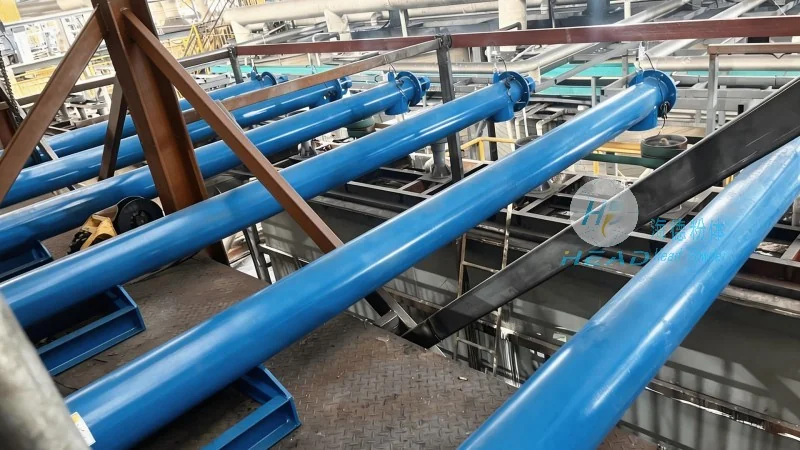
The conveying line, often made of durable materials such as stainless steel or specialized plastics, forms the main pathway for the artificial graphite particles. The pipeline is designed to withstand the pressure and flow dynamics of the conveying process, ensuring that the material is transported without degradation or loss. The diameter and length of the conveying line are critical factors that affect the system's performance, as they influence the velocity of the material and the air flow required for effective transport. Properly sized and maintained pipelines are essential for minimizing pressure drops and maximizing conveying efficiency.
Air Supply System
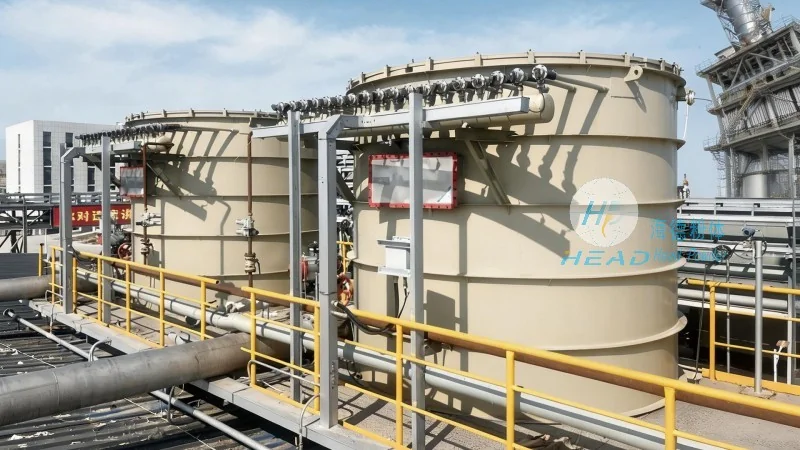
The air supply system is a vital component that provides the necessary airflow to move the artificial graphite particles through the conveying line. This system typically includes a blower or compressor that generates the required air pressure and volume. The air is then introduced into the conveying line at specific points, often near the material feed hopper, to create a flow that propels the particles forward. The type of air supply equipment used can vary depending on the system's design and the material's characteristics, with options ranging from positive displacement blowers to centrifugal compressors.
Control and Monitoring Mechanisms
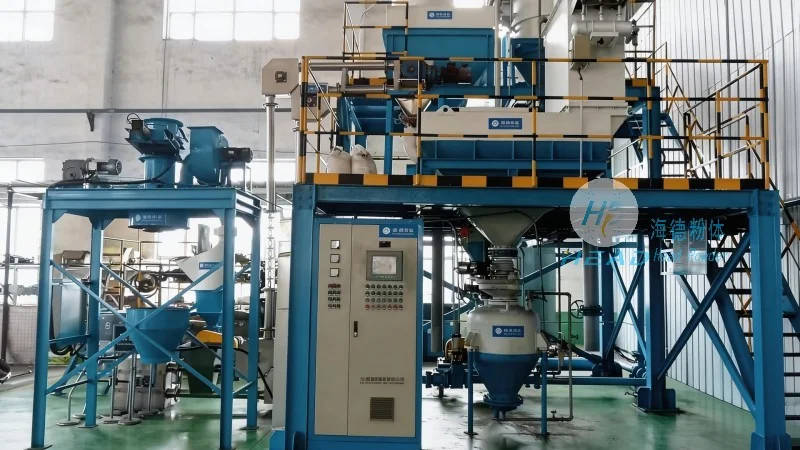
Control and monitoring mechanisms are essential for maintaining the optimal operation of the artificial graphite pneumatic conveying system. These systems include sensors and control valves that regulate the air flow, material feed rate, and pressure within the conveying line. Real-time monitoring allows operators to detect any deviations or issues in the system, such as blockages or pressure drops, and take corrective actions promptly. Modern control systems may also incorporate automation features, enabling the system to operate with minimal human intervention while maintaining consistent performance.
Additional Supporting Components
Beyond the primary components, artificial graphite pneumatic conveying systems may include additional supporting elements to enhance their functionality and reliability. These can include filters and dust collectors to manage air quality and prevent contamination, as well as cleaning systems to maintain the cleanliness of the conveying line and other components. The inclusion of these supplementary components is particularly important in applications where air quality standards are stringent or where the material being conveyed is sensitive to contamination.
Operational Considerations for Artificial Graphite Pneumatic Conveying
Understanding the operational considerations associated with artificial graphite pneumatic conveying is crucial for ensuring the system's effectiveness and longevity. Factors such as material properties, system design, and maintenance practices all play a role in determining the system's performance. For instance, the size and density of the artificial graphite particles can impact the required air velocity and pressure, necessitating adjustments to the system's configuration. Regular maintenance, including cleaning and inspection of components, is essential to prevent wear and tear and maintain optimal performance over time.
Conclusion
In summary, artificial graphite pneumatic conveying systems are composed of several interrelated components that work together to facilitate efficient material transport. From the material feed hopper to the air supply system and control mechanisms, each component contributes to the overall functionality of the system. By understanding the key components and operational considerations, stakeholders can ensure the effective and reliable operation of artificial graphite pneumatic conveying systems, meeting the demands of various industrial applications.




