Understanding the fundamentals of silica sand pneumatic conveying is crucial for industries that rely on efficient and reliable powder handling solutions. This article delves into the core principles of pneumatic conveying systems, focusing on how they transport materials like silica sand, and introduces the key components and operational mechanisms involved in these systems.
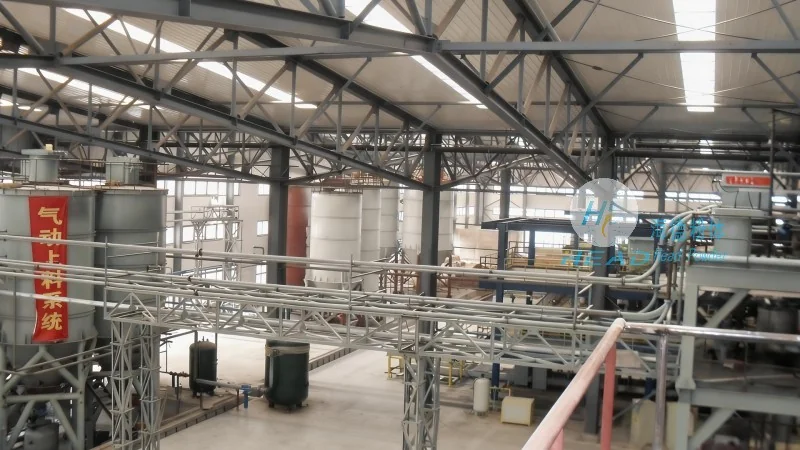
Introduction to Silica Sand Pneumatic Conveying
Silica sand, a common industrial material used in construction, glass manufacturing, and various other applications, often requires specialized transport methods due to its granular nature and potential for dust generation. Pneumatic conveying offers a solution by using air or gas to move the material through a pipeline system. This method is particularly advantageous for silica sand because it minimizes product contamination, reduces labor costs associated with manual handling, and enhances overall operational safety.
About HeadPowder: A Leading Provider of Powder Handling Solutions
HeadPowder, a division of Shandong HeadPowder Engineering Co., Ltd., is a reputable company based in Shandong, China, dedicated to providing advanced powder handling technologies. With a strong commitment to innovation and customer satisfaction, HeadPowder specializes in designing and manufacturing pneumatic conveying systems tailored to the unique needs of various industries. The company’s expertise lies in optimizing material transport efficiency while ensuring compliance with industry standards and safety regulations.
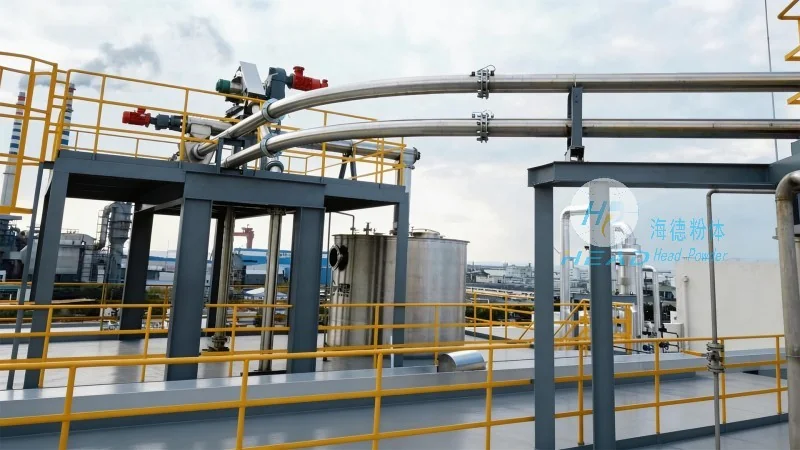
The Working Principles of Pneumatic Conveying Systems
Pneumatic conveying systems operate on the principle of using air or gas to create a flow of material through a pipeline. There are two primary types of pneumatic conveying: pressure and vacuum systems. In pressure systems, compressed air is introduced at the material inlet, pushing the material forward through the pipeline. Vacuum systems, on the other hand, use a vacuum pump to draw material from the source into the pipeline. For silica sand, a pressure system is often preferred due to its ability to handle larger particle sizes and provide consistent flow rates.
Key Components of a Silica Sand Pneumatic Conveying System
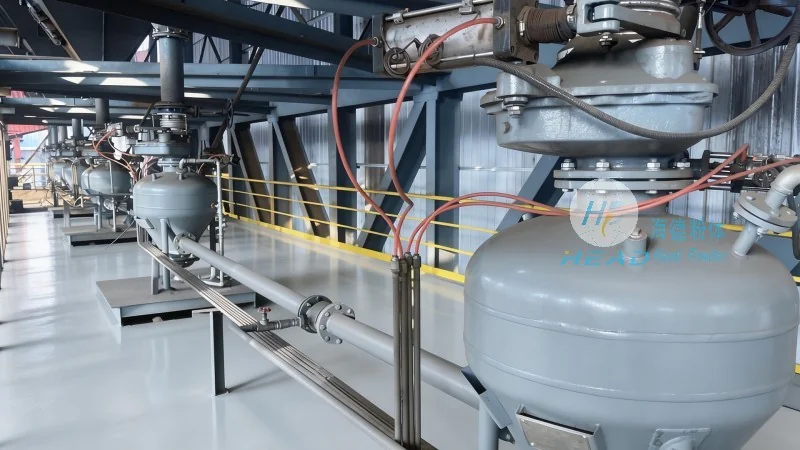
A typical pneumatic conveying system for silica sand consists of several critical components, each playing a vital role in the overall operation. These components include the material feeder, which ensures a consistent flow of silica sand into the system; the air compressor or vacuum pump, which provides the necessary pressure or vacuum; the pipeline network, which transports the material from the source to the destination; and the control system, which regulates the flow rate and pressure to maintain optimal performance.
Advantages of Using Pneumatic Conveying for Silica Sand
Implementing pneumatic conveying for silica sand offers numerous benefits that make it a preferred choice over traditional methods like bucket elevators or belt conveyors. Some of the key advantages include reduced product degradation due to minimal contact with equipment, lower maintenance costs as there are fewer moving parts, and improved safety by eliminating the need for manual handling of bulk materials. Additionally, pneumatic systems can be easily integrated into existing production lines, allowing for seamless material transfer without disrupting ongoing operations.
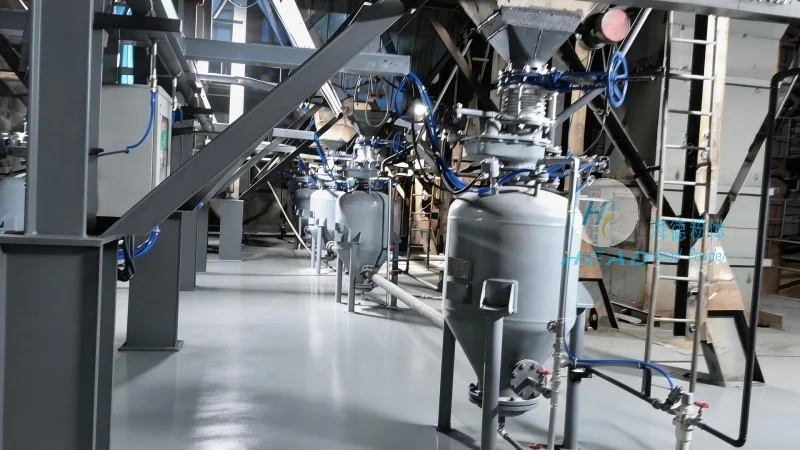
Applications and Industries Benefiting from Silica Sand Pneumatic Conveying
The versatility of pneumatic conveying systems makes them suitable for a wide range of applications involving silica sand. Industries such as glass manufacturing, foundries, and construction material production heavily rely on these systems to transport raw materials efficiently. For example, in glass manufacturing, silica sand is a primary ingredient, and pneumatic conveying ensures a steady supply of high-quality material to the production line. Similarly, in foundries, silica sand is used for molding processes, and the ability to transport it pneumatically helps maintain consistent quality and reduce downtime.
Conclusion: The Future of Silica Sand Handling with Pneumatic Conveying
As industries continue to seek more efficient and sustainable material handling solutions, pneumatic conveying systems, particularly for silica sand, remain a reliable and effective choice. With advancements in technology and the expertise of companies like HeadPowder, the future of powder handling looks promising, with continued improvements in system efficiency, safety, and environmental compliance. By understanding the working principles and benefits of pneumatic conveying, businesses can make informed decisions to enhance their operational capabilities and achieve greater productivity in handling silica sand and other similar materials.




