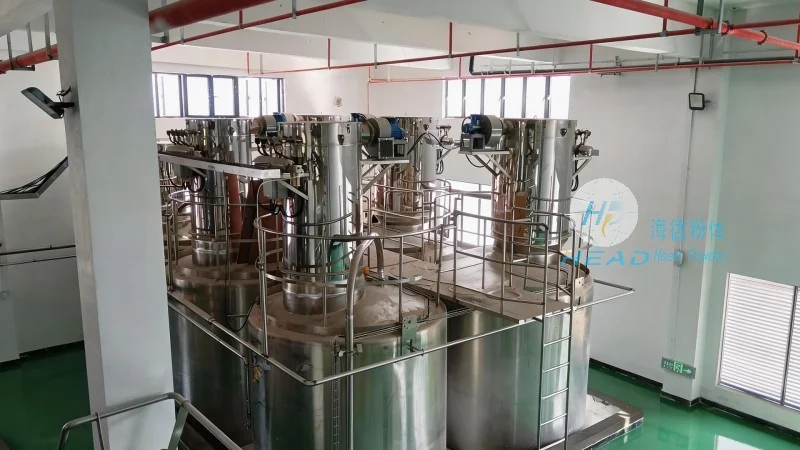
For industries dealing with bulk powders like bentonite, the selection of an efficient and reliable conveying system is crucial for operational efficiency and product integrity. Bentonite, a versatile clay mineral widely used in various applications such as drilling fluids, cosmetics, and construction materials, requires specialized equipment to handle its unique properties. This article delves into the world of bentonite pneumatic conveying equipment, exploring its structure, working principles, and the key components that make it an essential asset in powder handling operations.
Understanding Bentonite and Its Handling Challenges
Bentonite is a naturally occurring clay composed primarily of montmorillonite, which gives it excellent swelling and thixotropic properties. These characteristics make it highly sensitive to moisture and air, posing challenges during transportation. Traditional methods like belt conveyors or screw conveyors may not be suitable due to the risk of dust generation, product degradation, or blockages. Pneumatic conveying systems offer a solution by transporting the material in a sealed environment, minimizing exposure to external factors and ensuring consistent product quality.
The Core Components of Bentonite Pneumatic Conveying Systems
A typical bentonite pneumatic conveying system consists of several interconnected components that work in harmony to achieve efficient material transport. The main parts include the hopper, feeder, air compressor, pipeline system, and receiver. Each component plays a critical role in the overall operation:
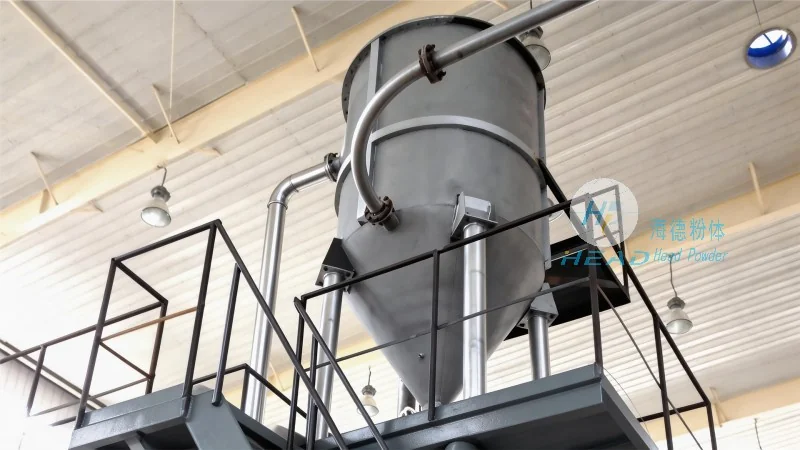
- Hopper: The storage vessel where bentonite is loaded. It is designed with a sloped bottom to facilitate smooth material flow and prevent clogging.
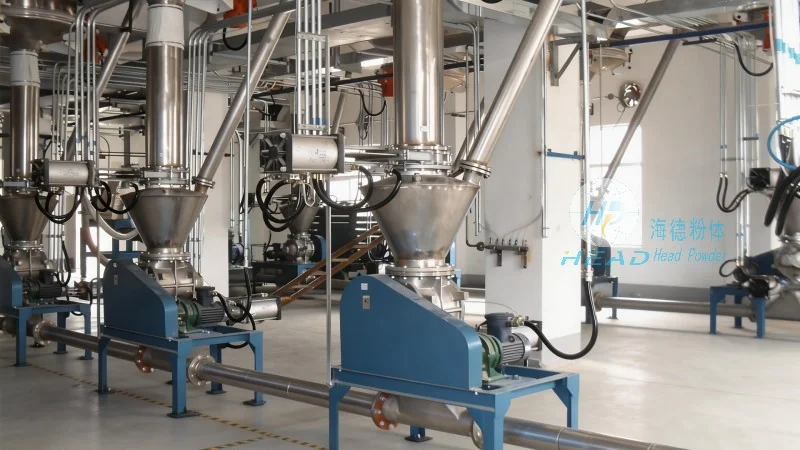
- Feeder: A device that controls the flow rate of bentonite from the hopper into the pipeline. Common types include rotary valves and screw feeders, which ensure consistent and controlled discharge.
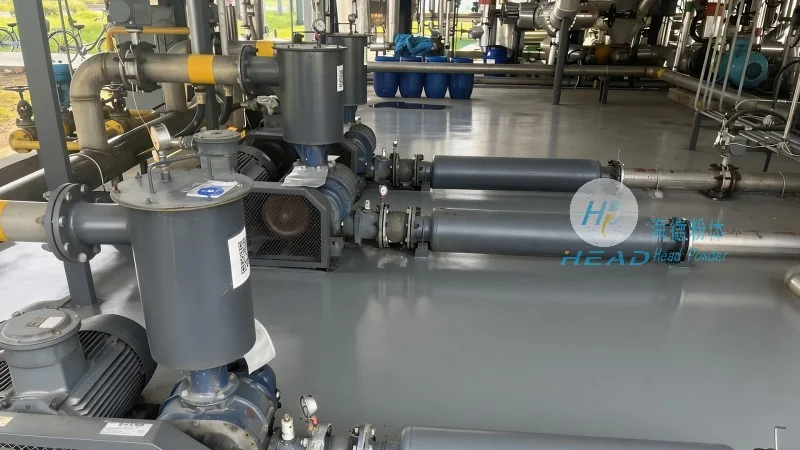
- Air Compressor: The heart of the system, providing the necessary air pressure to create a flow of material. The compressor must be capable of generating sufficient pressure to overcome resistance in the pipeline and maintain a stable conveying velocity.
- Pipeline System: The network of pipes that transports the bentonite-air mixture. The material is suspended in the air stream, allowing it to travel through the pipeline without direct contact with the pipe walls. The pipeline is typically made of materials like stainless steel or plastic to prevent corrosion and material adhesion.
- Receiver: The final storage container where the conveyed bentonite is deposited. It is equipped with a discharge valve to allow controlled release of the material into downstream processes.
Working Principle of Bentonite Pneumatic Conveying
The operation of a bentonite pneumatic conveying system follows a simple yet effective principle: creating a flow of air that carries the powder particles through the pipeline. The process can be categorized into two main types: dilute phase and dense phase conveying.
In dilute phase conveying, the air velocity is high enough to keep the bentonite particles suspended in the air stream. The material is transported at a relatively low pressure, making it suitable for short to medium distances. This method is ideal for applications where the material is relatively dry and free-flowing.
In dense phase conveying, the air velocity is lower, resulting in a higher concentration of powder in the air stream. This method is used for longer distances or when the material is more cohesive and prone to clogging. The system operates at higher pressure, ensuring the material moves in a more controlled manner.
Advantages of Using Bentonite Pneumatic Conveying Equipment
Implementing a pneumatic conveying system for bentonite offers numerous advantages over traditional methods. These benefits include:
- Minimal Product Contamination: The sealed system prevents exposure to dust, moisture, or other contaminants, maintaining the purity and quality of the bentonite.
- Reduced Downtime: The absence of moving parts in the pipeline reduces the risk of mechanical failure and maintenance requirements, leading to lower downtime and higher operational efficiency.
- Improved Safety: The enclosed system eliminates the risk of dust explosions or inhalation of fine particles, creating a safer working environment.
- Flexibility in Layout: Pneumatic conveying systems can be easily integrated into existing facilities, allowing for flexible layout designs and adaptability to changing production needs.
HeadPowder: Your Trusted Partner for Bentonite Conveying Solutions
Shandong HeadPowder Engineering Co., Ltd., a leading manufacturer of powder handling equipment, specializes in providing customized bentonite pneumatic conveying solutions tailored to the specific needs of various industries. With years of experience and a commitment to quality, HeadPowder offers a range of products designed to optimize the handling of bentonite and other bulk powders.
Our team of engineers and technicians works closely with clients to understand their operational requirements and design systems that meet their unique challenges. From the initial consultation to the final installation and maintenance, HeadPowder ensures that every aspect of the project is handled with precision and expertise.
Located in Shandong, China, HeadPowder leverages its local resources and advanced manufacturing capabilities to deliver high-quality equipment at competitive prices. The company adheres to international standards and continuously invests in research and development to stay at the forefront of powder handling technology.




