When it comes to the efficient and reliable transportation of battery materials, especially positive and negative electrode powders, air-pneumatic conveying equipment has emerged as a critical solution in the industry. This equipment, often referred to as powder handling systems, plays a pivotal role in ensuring the smooth flow of raw materials from storage to processing units. Understanding its structure and operational principles is essential for optimizing production processes and maintaining product quality. In this article, we will delve into the components, working mechanisms, and practical applications of air-pneumatic conveying equipment for battery materials, with a focus on the expertise of Shandong HeadPowder Engineering Co., Ltd., a leading provider in the field.
Overview of Air-Pneumatic Conveying Equipment
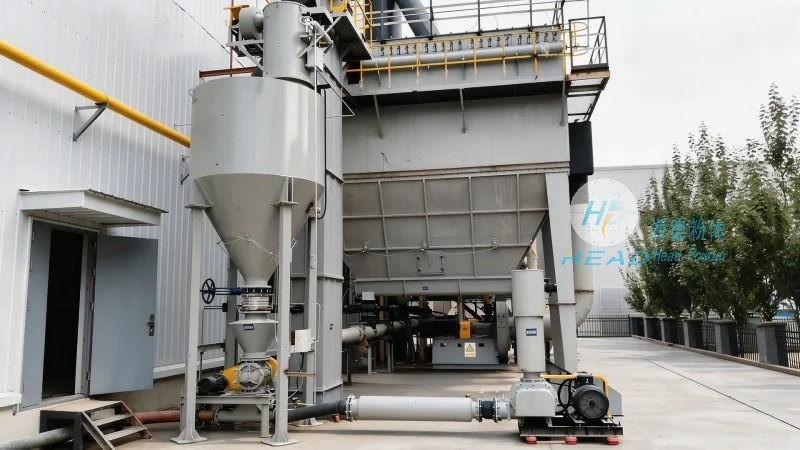
At its core, air-pneumatic conveying equipment is a system designed to transport bulk materials, such as battery electrode powders, using compressed air. Unlike traditional mechanical conveyors, this method relies on the force of air to move materials through a network of pipes and components. The system typically consists of several key elements that work in concert to achieve efficient material transfer. These components include a feeding unit, a conveying line, a separation unit, and a receiving hopper. Each part is engineered to handle the specific characteristics of the materials being transported, ensuring minimal loss and maximum efficiency.
Key Components and Their Functions
The structure of air-pneumatic conveying equipment is carefully designed to accommodate the unique properties of battery electrode powders, which often include fine particle sizes, high moisture sensitivity, and the need for contamination-free handling. The feeding unit is responsible for introducing the material into the system, usually through a hopper or a rotary valve. This component ensures a consistent flow rate, preventing blockages and maintaining the integrity of the material. The conveying line, made of durable materials like stainless steel or plastic, is the main pathway for the material and air mixture. It is equipped with bends, elbows, and straight sections to guide the material through the system while minimizing pressure drops. The separation unit, often a cyclone or a bag filter, separates the material from the air stream, allowing the material to be collected in a receiving hopper. This unit is crucial for maintaining air quality and preventing dust emissions. Finally, the receiving hopper stores the material until it is ready for the next processing step, such as mixing or coating.
Working Principle of Air-Pneumatic Conveying
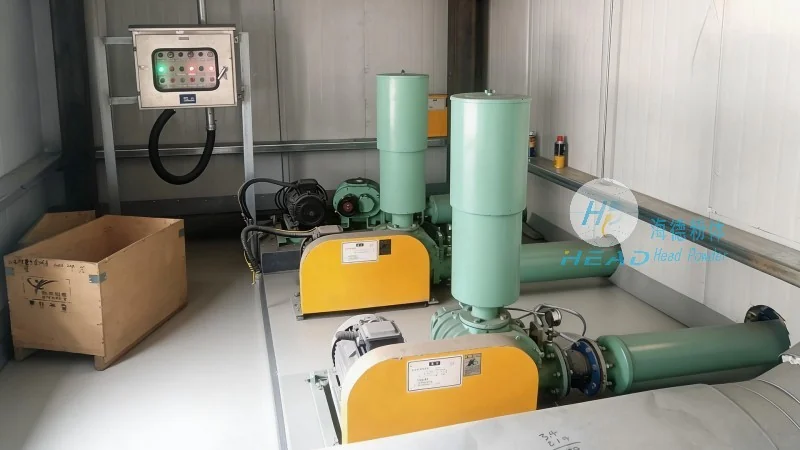
The operational principle of air-pneumatic conveying equipment is based on the fundamental concept of fluidization and pneumatic transport. When compressed air is introduced into the conveying line, it creates a low-pressure zone that draws the material into the system. The air and material mixture then travels through the pipeline, with the air providing the necessary force to move the particles. The velocity of the air is carefully controlled to ensure that the material remains suspended and does not settle or clog the pipes. This method is particularly effective for fine powders, as it allows for gentle handling and minimal degradation of the material's properties. The system can operate in either positive or negative pressure modes, depending on the application and the need to control dust emissions. Positive pressure systems push the material through the line, while negative pressure systems draw it in, offering flexibility in different industrial settings.
Application in Battery Material Processing
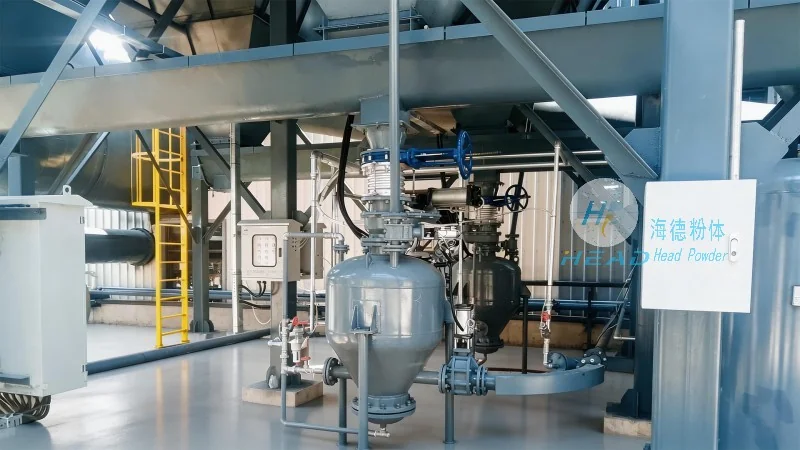
For the production of lithium-ion batteries, the efficient handling of positive and negative electrode materials is paramount. These materials are typically fine powders that require precise control during the mixing and coating processes. Air-pneumatic conveying equipment is ideal for this application as it provides a clean, dust-free environment and ensures consistent material flow. The equipment from Shandong HeadPowder Engineering Co., Ltd. is specifically designed to meet the stringent requirements of battery manufacturing, with features such as high-precision feeding, low pressure drop, and easy maintenance. The system can handle various types of electrode powders, including graphite, lithium cobalt oxide, and nickel manganese cobalt oxide, ensuring compatibility with different battery chemistries. By using air-pneumatic conveying, manufacturers can reduce material waste, improve production throughput, and enhance overall operational efficiency.
Advantages and Considerations
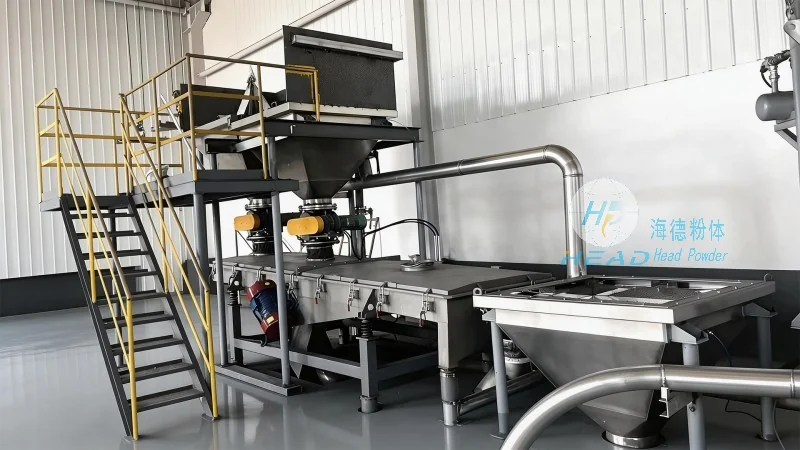
Compared to traditional mechanical conveyors, air-pneumatic conveying equipment offers several advantages that make it a preferred choice for battery material handling. These include the ability to transport materials over long distances without the need for multiple transfer points, reduced risk of contamination due to enclosed systems, and lower maintenance requirements. However, the system also has some considerations, such as the need for a reliable compressed air supply and the potential for higher energy consumption compared to mechanical systems. Proper sizing of the air compressor and the conveying line is essential to ensure optimal performance and minimize operational costs. Additionally, regular maintenance of the separation unit and the air filtration system is necessary to prevent clogging and maintain air quality.
Conclusion
Air-pneumatic conveying equipment is a sophisticated and essential tool in the battery manufacturing industry, particularly for the handling of positive and negative electrode materials. Its structure, which combines feeding, conveying, separation, and receiving components, is tailored to the unique demands of powder handling. The working principle, based on pneumatic transport and fluidization, ensures efficient and gentle material movement. With the expertise of companies like Shandong HeadPowder Engineering Co., Ltd., these systems are designed to deliver high performance, reliability, and cost-effectiveness. By understanding the structure and principles of air-pneumatic conveying equipment, manufacturers can optimize their production processes, enhance product quality, and stay competitive in the rapidly evolving battery industry.




