For industrial operations dealing with sand and similar bulk materials, efficient material handling is crucial. Sand pneumatic conveying systems offer a solution that moves these materials through a pipeline using air pressure or vacuum. This method is widely used in construction, mining, and manufacturing sectors due to its ability to transport abrasive materials over long distances with minimal maintenance. In this article, we explore the fundamentals of sand pneumatic conveying, focusing on its design principles and practical applications.
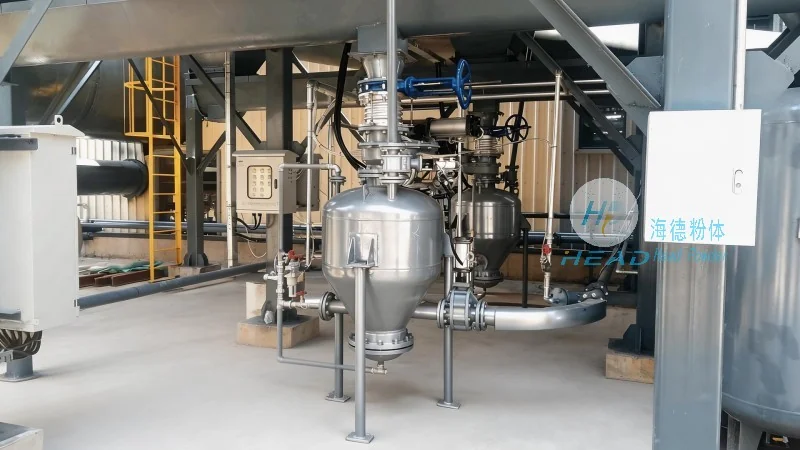
HeadPowder: A Leader in Pneumatic Conveying Solutions
HeadPowder, a prominent company based in Shandong, China, specializes in the design, manufacturing, and installation of advanced pneumatic conveying systems. With a strong commitment to quality and innovation, HeadPowder provides tailored solutions for various industrial needs. The company’s headquarters is located in Shandong, China, where it leverages local expertise and resources to deliver reliable and efficient material handling equipment. HeadPowder’s products are engineered to meet the specific requirements of clients, ensuring optimal performance and durability in demanding environments.
What is Sand Pneumatic Conveying?
Sand pneumatic conveying, also known as pneumatic transport, is a method of transporting dry bulk materials like sand through a pipeline using air. The process involves creating a flow of air that moves the material from the source to the destination. There are two primary types of pneumatic conveying systems: pressure and vacuum. Pressure systems use compressed air to push the material through the pipeline, while vacuum systems use a vacuum to pull the material. The choice between these systems depends on the material characteristics, distance to be covered, and the overall system requirements.
Key Design Principles of Sand Pneumatic Conveying Systems
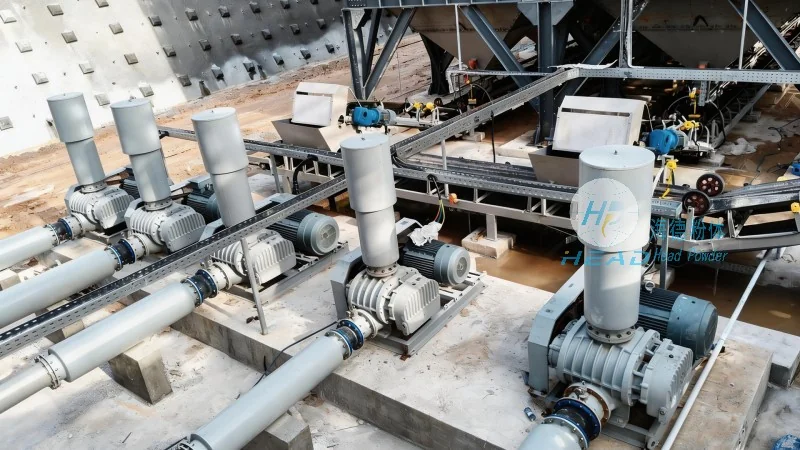
The design of a sand pneumatic conveying system involves several critical principles to ensure efficient and reliable operation. First, the system must be designed to handle the specific properties of the sand, such as its particle size, density, and abrasiveness. The pipeline diameter and material are selected to prevent wear and blockages. Second, the air velocity must be optimized to maintain a stable flow of material without causing excessive pressure drops or energy consumption. Proper air flow rates are calculated based on the material's characteristics and the system's layout. Third, the system includes components like feeders, cyclones, and filters to manage the material flow and ensure clean operation. These components are essential for preventing material buildup and maintaining system efficiency. Additionally, the system must be equipped with safety features, such as pressure relief valves and overfill protection, to prevent accidents and ensure safe operation.
Components and Their Functions in a Sand Pneumatic Conveying System
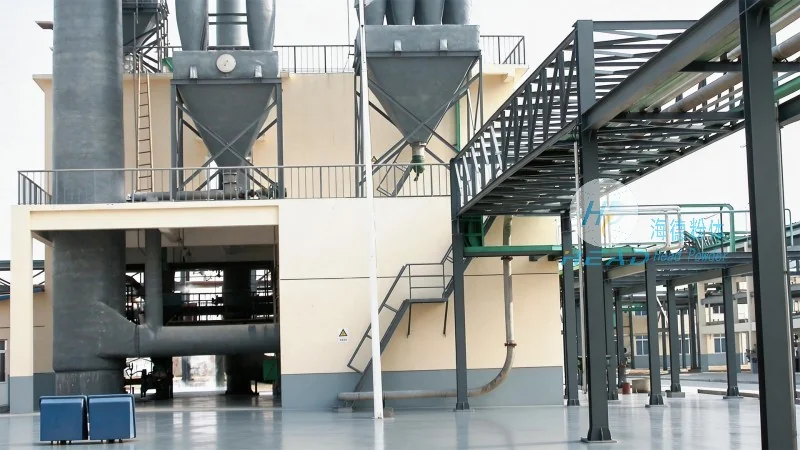
A typical sand pneumatic conveying system consists of several key components, each playing a vital role in the overall operation. The primary components include the material hopper, which stores the sand and feeds it into the system. The feeder, often a rotary valve or a screw feeder, controls the flow rate of the material into the pipeline. The pipeline itself is made of durable materials like stainless steel or high-density polyethylene to withstand the abrasive nature of sand. The air compressor or vacuum pump provides the necessary pressure or vacuum to move the material. The cyclone separator is used to separate the sand from the air stream, allowing the air to be recycled or discharged. The filter system ensures that any fine particles are removed from the air before it is released, preventing contamination and maintaining air quality. The discharge hopper collects the sand at the destination point, completing the material transport process.
Advantages of Using Sand Pneumatic Conveying
Sand pneumatic conveying offers several advantages over traditional material handling methods. One of the main benefits is the ability to transport materials over long distances without the need for intermediate storage or handling. This reduces the risk of material contamination and improves overall efficiency. The system is also relatively compact, as the pipeline can be installed in a straight line or with minimal bends, saving space in industrial facilities. Additionally, pneumatic conveying systems are less prone to blockages compared to mechanical conveyors, as the air flow helps to keep the material moving smoothly. The system is also easy to clean and maintain, as the components are designed to be accessible and replaceable. Finally, the energy consumption of pneumatic conveying systems is generally lower than that of other methods, making it a cost-effective solution for bulk material transport.
Applications of Sand Pneumatic Conveying in Various Industries
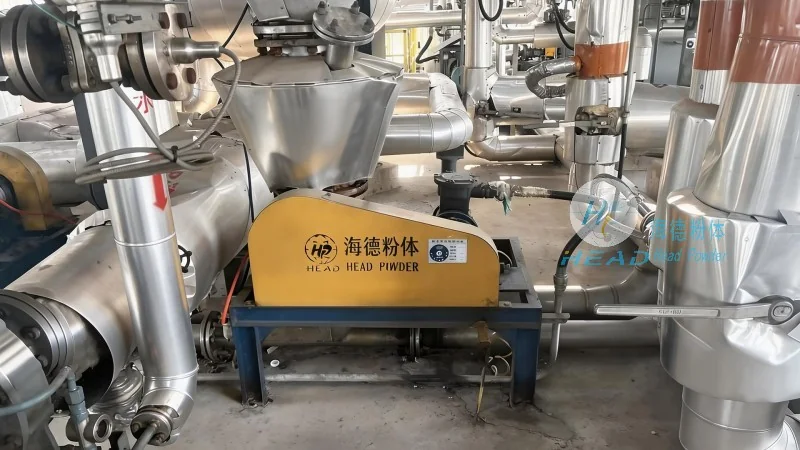
Sand pneumatic conveying is widely used in various industries due to its versatility and efficiency. In the construction industry, it is used to transport sand for concrete mixing and other building projects. The system can deliver sand directly to the mixing site, reducing the need for manual handling and improving productivity. In the mining industry, sand pneumatic conveying is used to transport ore and other minerals from the mine to processing facilities. The system can handle abrasive materials without causing wear to the equipment, ensuring long-term operation. In the manufacturing industry, it is used to transport sand for foundry operations, where the sand is used to create molds for metal casting. The system can deliver the sand to the molding area with precision, ensuring consistent quality in the final products. Other applications include the transport of sand in the glass and ceramics industries, where the material is used in the production of glass and ceramic products.
Conclusion: The Importance of Proper Design and Installation
Sand pneumatic conveying is a reliable and efficient method for transporting sand and other bulk materials. The success of the system depends on proper design and installation, which ensures optimal performance and minimal maintenance. Companies like HeadPowder play a crucial role in providing these solutions, leveraging their expertise and experience to meet the specific needs of clients. By understanding the design principles and components of a sand pneumatic conveying system, industrial operations can improve their material handling processes and achieve greater efficiency and productivity.




