Monocrystalline silicon is a critical material in the semiconductor industry, widely used in solar cells, microelectronics, and other high-tech applications. The efficient and safe transportation of monocrystalline silicon wafers or powders is essential for industrial production processes. Pneumatic conveying, as a non-contact material handling method, has become a preferred solution for transporting monocrystalline silicon due to its advantages in cleanliness, low contamination, and flexibility. This article, provided by Shandong HeadPowder Engineering Co., Ltd. (headpowder), aims to explore the concept of monocrystalline silicon pneumatic conveying and its core design principles, offering a comprehensive understanding of this technology.
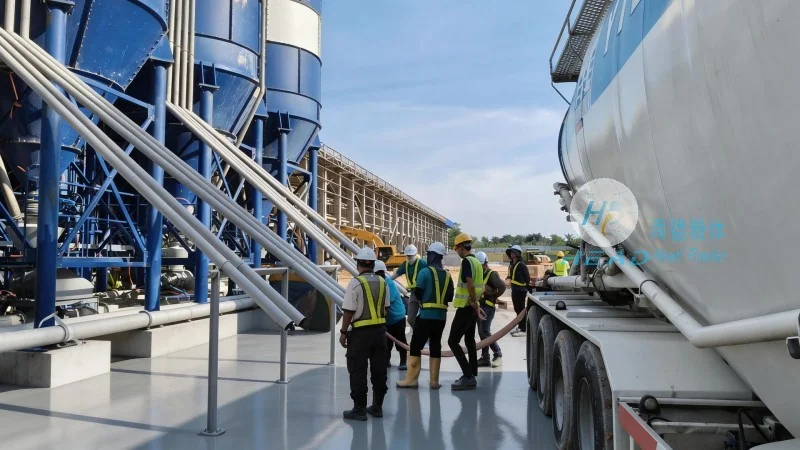
Understanding Monocrystalline Silicon Pneumatic Conveying
Monocrystalline silicon pneumatic conveying refers to the process of transporting monocrystalline silicon materials (such as silicon wafers, granules, or powders) through a pipeline system using compressed air or other gas as the conveying medium. Unlike traditional mechanical conveying methods (e.g., screw conveyors, belt conveyors), pneumatic conveying utilizes air flow to move materials, eliminating direct contact between the material and the conveying equipment. This non-contact feature is particularly important for monocrystalline silicon, which is highly sensitive to contamination and surface damage.
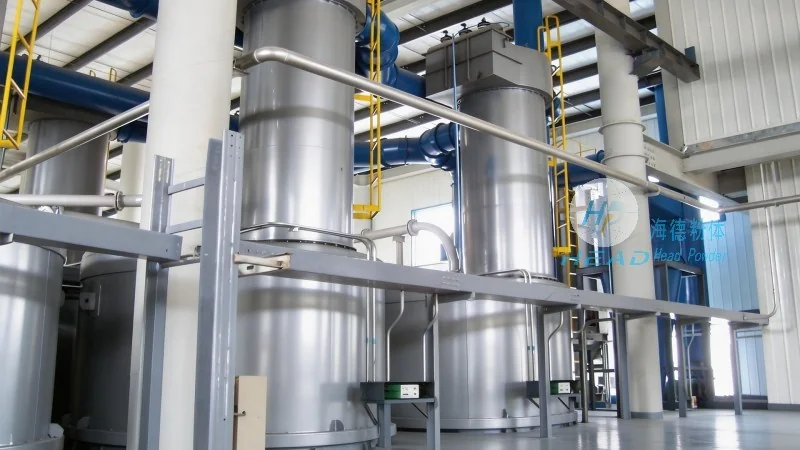
The basic components of a monocrystalline silicon pneumatic conveying system typically include a material feeding device, a conveying pipeline, a gas supply system (air compressor or blower), a dust collection system, and a material discharge device. The material is fed into the pipeline at one end, and the compressed air pushes the material along the pipeline to the discharge point. The design of each component must consider the specific properties of monocrystalline silicon, such as its fragility, hygroscopicity, and potential for static electricity.
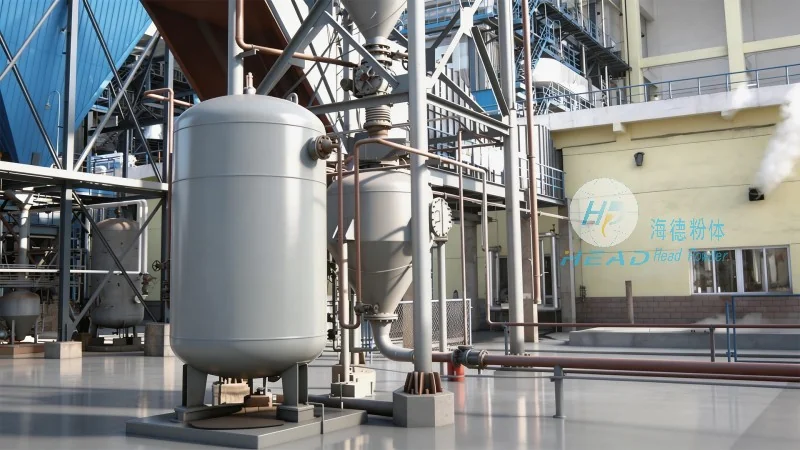
Key Design Principles of Monocrystalline Silicon Pneumatic Conveying Systems
Designing an effective monocrystalline silicon pneumatic conveying system requires careful consideration of several key principles to ensure optimal performance, material integrity, and system efficiency. The following are the primary design principles:
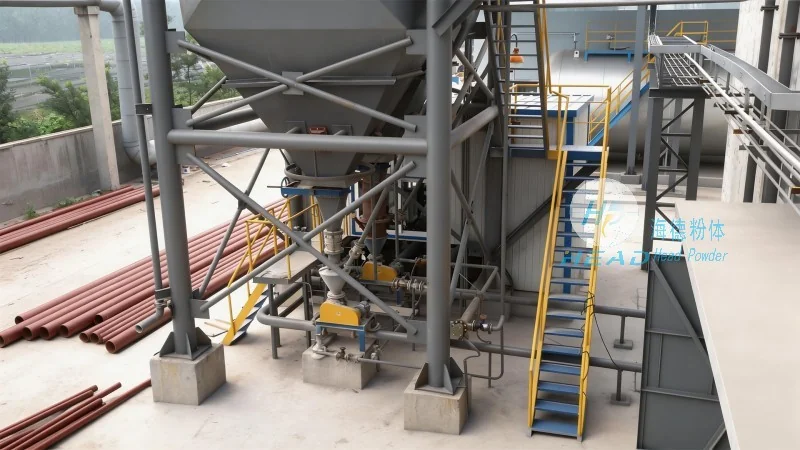
1. Material Flow Control and Pressure Management The pressure within the conveying pipeline is a critical factor in monocrystalline silicon pneumatic conveying. Excessive pressure can cause material breakage or damage to the pipeline, while insufficient pressure may lead to material blockages or poor conveying efficiency. The system must be designed to maintain a stable and appropriate pressure range, typically between 0.5 to 2.0 bar, depending on the material characteristics and pipeline length. Pressure control valves and regulators are essential components to ensure consistent pressure levels throughout the conveying process.




