For those in the industrial sector dealing with fine powders like pearl sand, understanding the technology behind pneumatic conveying systems is crucial. Pearl sand, a type of fine silica sand often used in glassmaking and other high-purity applications, requires specialized equipment to handle its characteristics efficiently. This article explores the concept of a pearl sand pneumatic conveying equipment and delves into its fundamental design principles, highlighting how such systems ensure safe, effective, and reliable material transport.
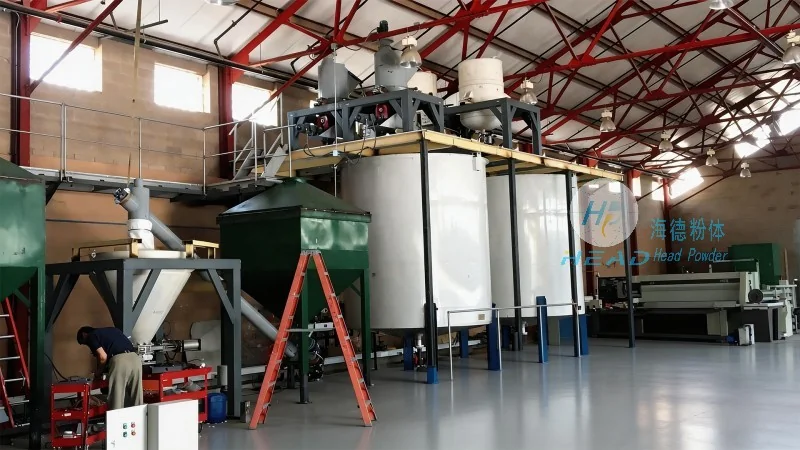
Pneumatic Conveying Systems: An Overview
Pneumatic conveying is a method of transporting bulk materials, including powders and granules, using a stream of pressurized air or vacuum. Unlike traditional mechanical conveyors, which rely on belts or screws, pneumatic systems utilize air to move materials through a pipeline. This approach is particularly advantageous for materials that are dusty, abrasive, or sensitive to contamination, as it minimizes direct contact and reduces the risk of product degradation.
Pearl Sand Characteristics and Handling Challenges
Pearl sand, with its fine particle size and high purity, presents unique challenges for material handling. Its small particles can easily clog conventional equipment, while its abrasive nature may wear down components over time. Additionally, the need for a clean, dust-free environment in applications like glass production demands a conveying system that maintains product integrity and prevents contamination. These factors make the design of a pearl sand pneumatic conveying equipment a critical consideration for manufacturers.
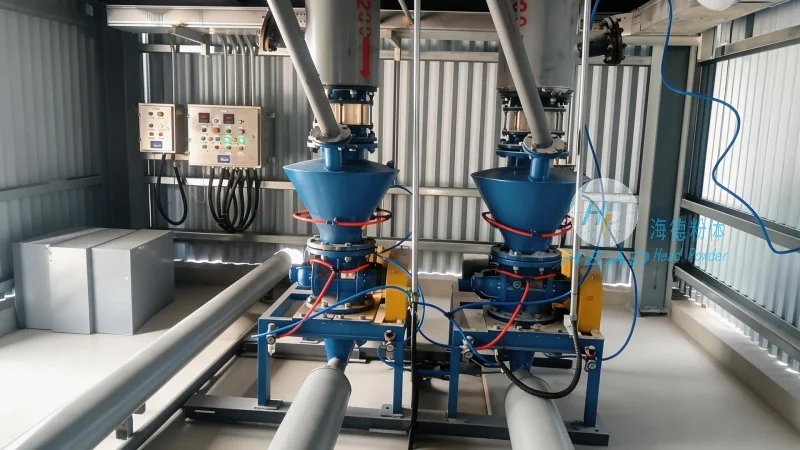
The Core Components of a Pearl Sand Pneumatic Conveying System
A typical pearl sand pneumatic conveying system consists of several key components, each playing a vital role in the overall operation. The primary elements include a material feed hopper, a conveyor line (often a pipeline), a blower or vacuum pump to generate the air flow, and a collection or discharge unit. The feed hopper is designed to hold the pearl sand and control the flow rate, preventing overloading or clogging. The conveyor line, usually made of materials resistant to abrasion and corrosion (such as stainless steel or special alloys), transports the sand through the system. The blower or vacuum pump provides the necessary pressure or suction to move the material, while the discharge unit ensures the sand is delivered to its final destination, such as a storage silo or processing unit.
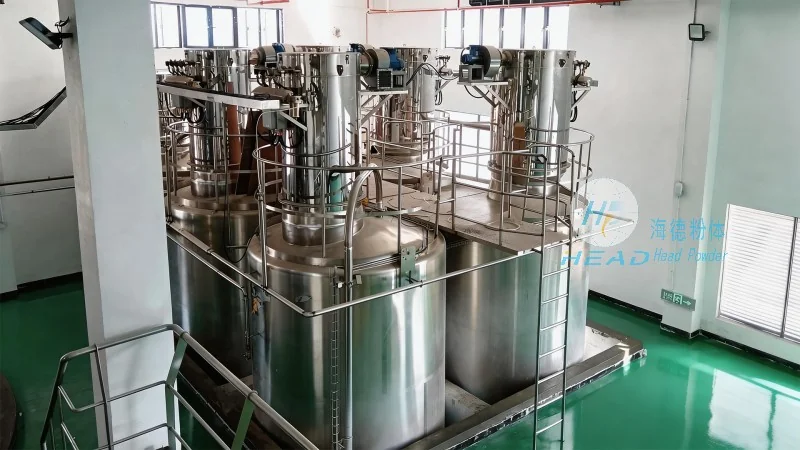
Design Principles for Optimal Performance
The design of a pearl sand pneumatic conveying equipment is guided by several key principles aimed at maximizing efficiency, reliability, and safety. One of the most important principles is maintaining a consistent air-to-material ratio. This ratio, which refers to the amount of air used per unit of material, directly impacts the system's capacity and the smoothness of material flow. An optimal ratio ensures that the sand particles are fully suspended in the air stream, preventing blockages and ensuring uniform transport. Another critical principle is the selection of appropriate pipeline diameter and length. The diameter must be large enough to accommodate the volume of sand and air without causing excessive pressure drop, while the length must be designed to minimize energy consumption and maintain the material's velocity. Additionally, the system must incorporate features to prevent dust accumulation and maintain a clean environment, such as dust collection systems and sealed components.
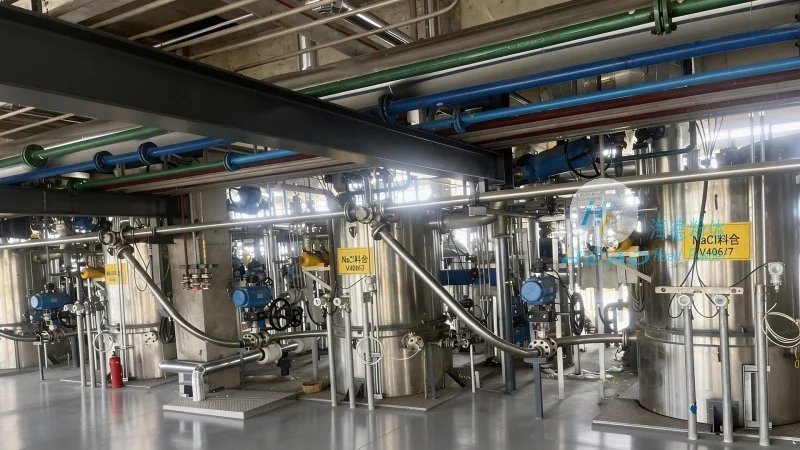
Material Handling Efficiency and Safety
Efficiency and safety are paramount in the operation of a pearl sand pneumatic conveying system. The design must ensure that the system operates with minimal energy consumption, reducing operational costs while maintaining high throughput. Safety features, such as pressure relief valves and explosion-proof components, are essential to prevent accidents and protect personnel. The system should also be designed to handle variations in material flow, such as changes in sand moisture content or particle size, without compromising performance. This adaptability is crucial for industrial applications where material characteristics may fluctuate.
Conclusion
In conclusion, a pearl sand pneumatic conveying equipment is a sophisticated system designed to handle the unique challenges of transporting fine, abrasive materials like pearl sand. Its design is based on principles that ensure efficient material transport, maintain product quality, and prioritize safety. By understanding the core components and design principles of such systems, manufacturers can select or design equipment that meets their specific needs, ensuring reliable and cost-effective operation in industrial applications.




