An automatic waste loading pneumatic conveying line is a sophisticated system engineered to efficiently transport waste materials from collection points to processing or disposal facilities. This technology integrates advanced pneumatic conveying principles with automated loading mechanisms, enabling seamless and continuous movement of waste without manual intervention. The system is designed to handle various types of waste, including municipal solid waste, industrial byproducts, and hazardous materials, ensuring compliance with environmental regulations and operational efficiency.
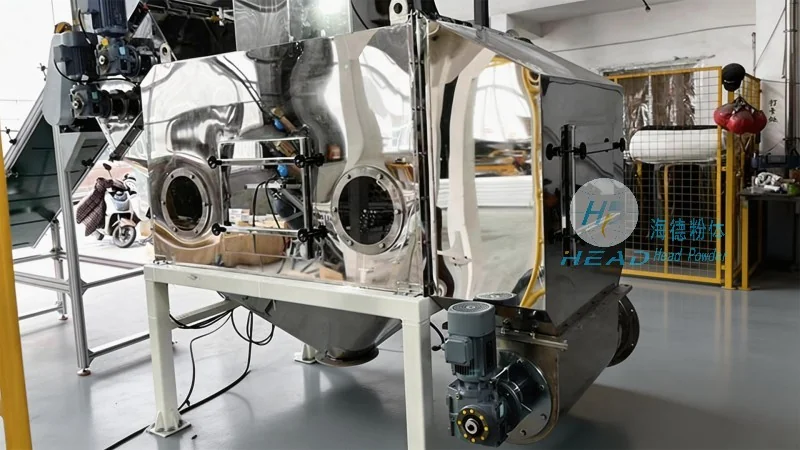
About the Manufacturer: Shandong HeadPowder Engineering Co., Ltd.
Shandong HeadPowder Engineering Co., Ltd. is a leading provider of industrial conveying solutions, specializing in the design, manufacturing, and installation of pneumatic conveying systems. With a strong commitment to innovation and quality, the company has established itself as a trusted partner in the waste management and material handling industries. HeadPowder's expertise lies in developing customized solutions that meet the unique needs of clients, ensuring optimal performance and reliability in demanding operational environments. The company's headquarters is located in Shandong, China, where it leverages state-of-the-art technology and skilled engineering teams to deliver cutting-edge products.
Design Principles of the Pneumatic Conveying System
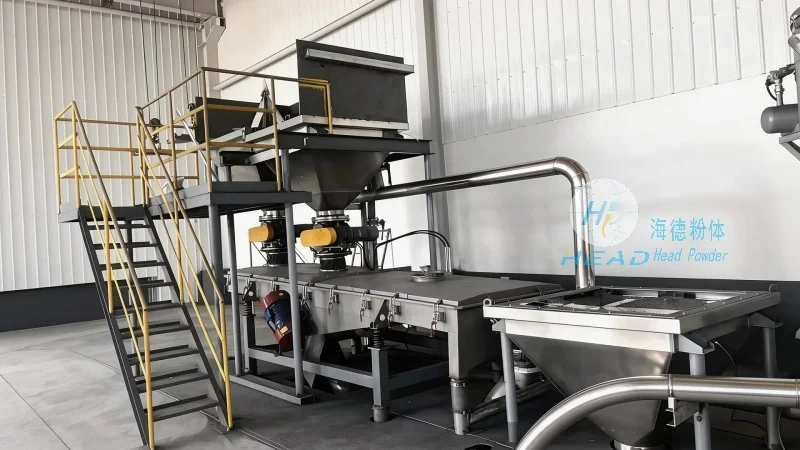
The design of an automatic waste loading pneumatic conveying line is based on fundamental principles of fluid dynamics and material handling. The system typically consists of several key components, including a loading hopper, a conveying pipeline, a vacuum or pressure source, and a discharge unit. The loading hopper is equipped with an automated feeding mechanism that can be integrated with waste collection trucks or containers, allowing for continuous or batch loading of waste materials. The conveying pipeline is designed to transport the waste using either positive pressure (air blowing) or negative pressure (air suction), depending on the specific application and material characteristics. The vacuum or pressure source provides the necessary force to move the waste through the pipeline, while the discharge unit ensures that the material is deposited at the desired location, such as a landfill, incinerator, or recycling facility. The system is engineered to maintain consistent flow rates and pressure levels, minimizing material degradation and ensuring efficient operation. Additionally, the design incorporates features such as air filtration and dust control to comply with environmental standards and protect the equipment from wear and tear.
Key Advantages of the Automatic Waste Loading Pneumatic Conveying Line
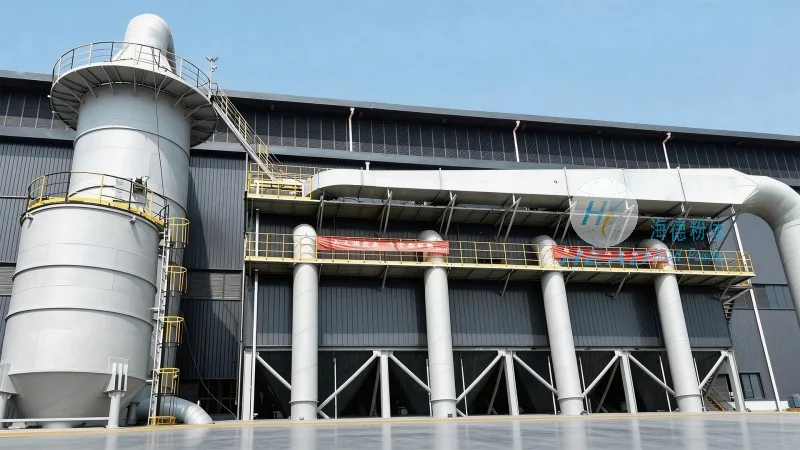
Implementing an automatic waste loading pneumatic conveying line offers numerous benefits for waste management operations. Firstly, it significantly enhances operational efficiency by automating the loading and conveying process, reducing the need for manual labor and minimizing downtime. The system can operate continuously, allowing for 24/7 waste processing, which is crucial for meeting high-volume waste management demands. Secondly, it improves safety by eliminating the need for workers to handle heavy or hazardous waste materials manually, reducing the risk of injuries and exposure to harmful substances. Thirdly, the system provides better control over waste flow, ensuring that materials are transported in a controlled manner, which helps in maintaining the integrity of the waste and preventing contamination. Fourthly, the automated nature of the system reduces operational costs by minimizing labor requirements and energy consumption. Finally, the system is designed to be flexible and scalable, allowing it to adapt to changing waste volumes and types, making it a long-term investment for waste management facilities.
Applications and Use Cases
The automatic waste loading pneumatic conveying line is widely used in various waste management applications. In municipal solid waste (MSW) facilities, the system is employed to transport waste from collection trucks to processing units, such as sorting lines or incinerators. In industrial settings, it is used to handle byproducts from manufacturing processes, ensuring that these materials are disposed of or recycled in an environmentally responsible manner. The system is also suitable for hazardous waste management, where it can safely transport materials that require special handling due to their toxicity or flammability. Additionally, the system can be integrated with recycling facilities to transport recyclable materials, such as paper, plastic, and metal, from collection points to processing plants. The versatility of the system makes it suitable for a wide range of applications, from small-scale waste management operations to large-scale industrial facilities.
Maintenance and Operational Considerations
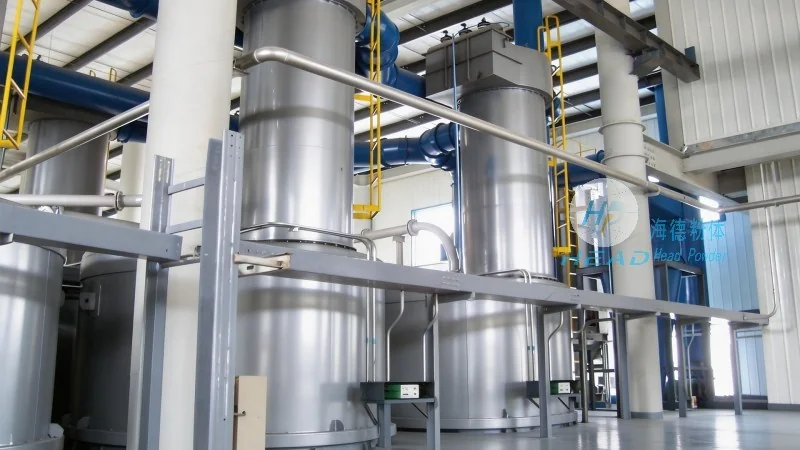
Proper maintenance is essential to ensure the longevity and optimal performance of the automatic waste loading pneumatic conveying line. Regular inspections of the conveying pipeline, loading hopper, and discharge unit are necessary to detect and address any issues, such as blockages or wear and tear. The system should be cleaned regularly to prevent the buildup of waste materials, which can affect the efficiency of the conveying process. Additionally, the air filtration system should be checked and maintained to ensure that it effectively removes dust and particulate matter from the air, preventing contamination and equipment damage. The vacuum or pressure source should be monitored to ensure that it operates within the specified parameters, as fluctuations in pressure can impact the system's performance. Proper training of operators is also crucial to ensure that they can operate the system safely and efficiently. By following these maintenance and operational guidelines, waste management facilities can maximize the lifespan of their pneumatic conveying line and maintain its performance over time.




