When it comes to efficiently transporting metal powders in industrial settings, the metal powder pneumatic conveying system emerges as a critical solution. This technology is designed to handle the unique challenges associated with metal powders, such as their abrasive nature, potential for dust explosions, and the need for precise control over particle flow. Understanding the fundamentals of this system, including its design principles, is essential for industries that rely on consistent and safe material handling. The expertise of companies like Shandong HeadPowder Engineering Co., Ltd. (headpowder) has been instrumental in developing advanced solutions for metal powder transportation, ensuring that industrial processes remain efficient and safe.
Introduction to Metal Powder Pneumatic Conveying Systems
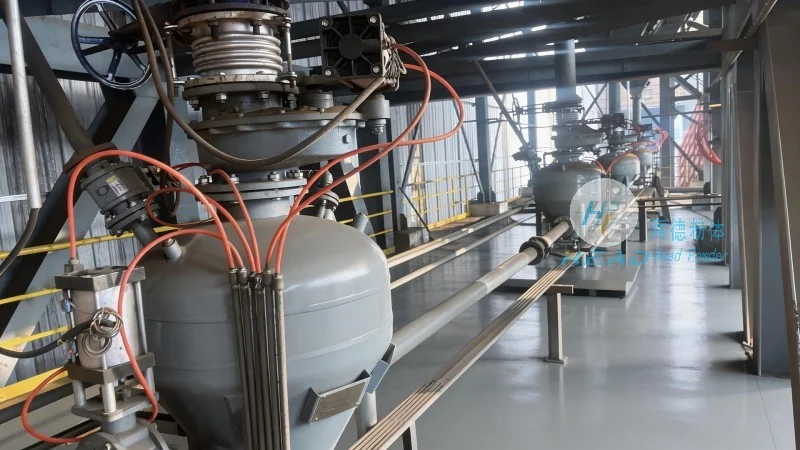
A metal powder pneumatic conveying system is a type of pneumatic conveying equipment specifically engineered to transport metal powders from one location to another within an industrial facility. Unlike traditional bulk material handling methods, this system utilizes compressed air or other gases to move the powder through a pipeline network. The primary goal is to achieve efficient, safe, and reliable transportation of metal powders, which are often used in applications like metal 3D printing, powder metallurgy, and chemical processing.
Key Components of a Metal Powder Pneumatic Conveying System
The effectiveness of a metal powder pneumatic conveying system depends on several key components that work in tandem to ensure optimal performance. These components include the hopper or feeder, which holds the metal powder and controls the flow rate; the air compressor or blower, which generates the necessary pressure to move the powder; the pipeline system, which transports the powder from the source to the destination; and the receiver or discharge unit, which collects the powder at the end of the line. Each component plays a crucial role in maintaining the integrity of the metal powder and preventing issues like clogging or degradation.
Design Principles for Metal Powder Pneumatic Conveying Systems
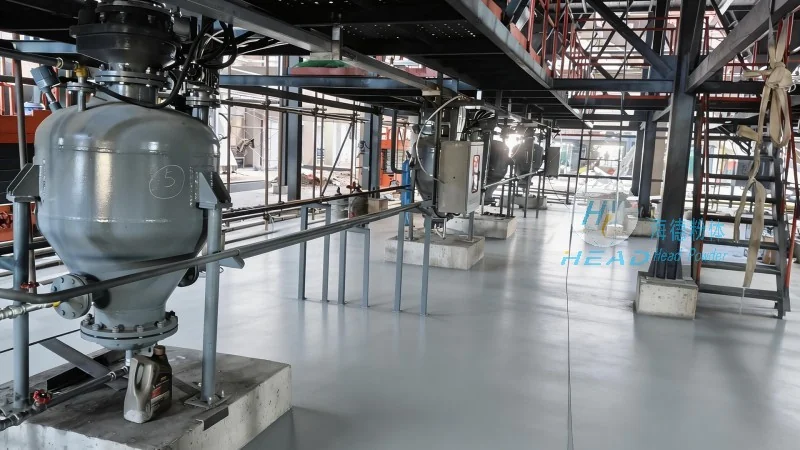
The design of a metal powder pneumatic conveying system follows specific principles to ensure it meets the demands of handling metal powders. One of the most important principles is the selection of appropriate materials for the system components. Since metal powders can be abrasive and may cause corrosion, components such as hoppers, pipelines, and valves are typically made from materials like stainless steel, aluminum, or specialized alloys that can withstand the wear and chemical exposure. Another key principle is the control of air velocity and pressure. The system must maintain a consistent air velocity to prevent particle segregation or deposition in the pipeline. Additionally, the design considers the flow rate and the type of metal powder being transported, as different powders have varying particle sizes and densities that affect the conveying process.
Advantages of Metal Powder Pneumatic Conveying Systems
Implementing a metal powder pneumatic conveying system offers several advantages for industries dealing with metal powders. One of the main benefits is the ability to achieve a high degree of control over the material flow, which is essential for processes that require precise dosing or mixing. The system also provides a closed-loop operation, reducing the risk of dust exposure and environmental contamination. Furthermore, it can handle long-distance transportation with minimal energy consumption compared to other methods like conveyor belts or trucks. The compact design of the system allows for easy integration into existing industrial layouts, making it a versatile solution for various applications.
Applications of Metal Powder Pneumatic Conveying Systems
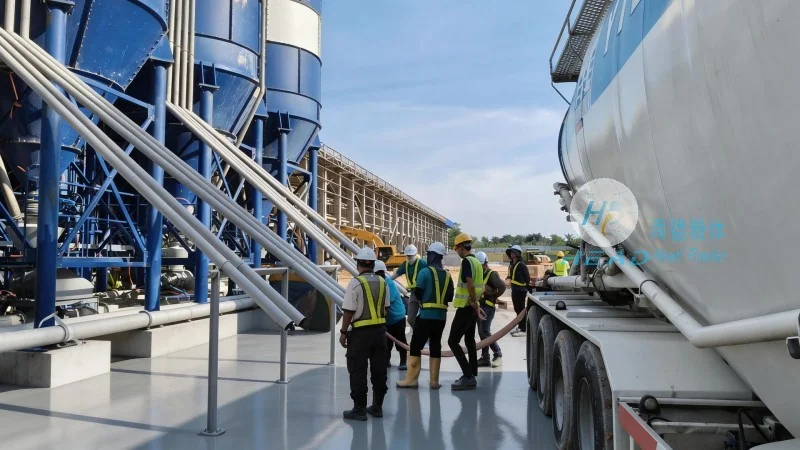
Metal powder pneumatic conveying systems are widely used in a range of industries where metal powders are a critical raw material. In the powder metallurgy industry, these systems are used to transport metal powders for compaction and sintering processes. In the metal 3D printing sector, they ensure a consistent supply of metal powder to the printing nozzle, which is crucial for achieving high-quality prints. Additionally, they are used in chemical and pharmaceutical industries for handling metal-based powders in manufacturing processes. The versatility of the system makes it suitable for various applications, from small-scale laboratory operations to large-scale industrial production lines.
Maintenance and Safety Considerations
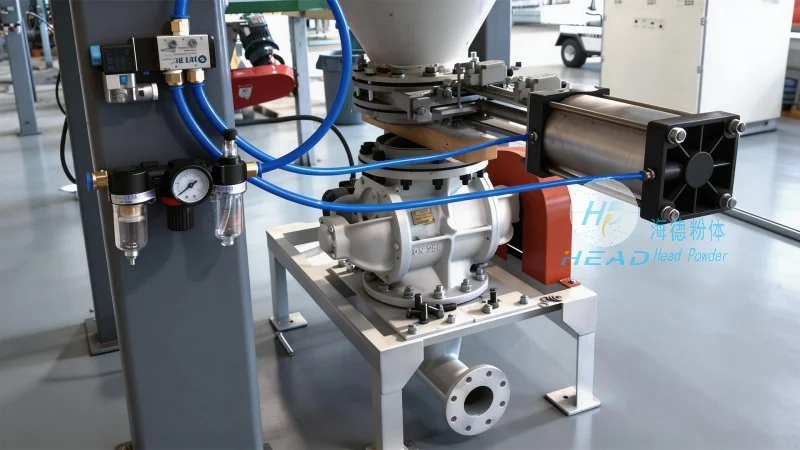
Proper maintenance and safety measures are essential to ensure the longevity and safe operation of a metal powder pneumatic conveying system. Regular inspection of components like the air compressor, pipelines, and valves is necessary to detect any signs of wear or damage. Cleaning the system periodically, especially after handling different types of metal powders, helps prevent clogging and maintain efficiency. Safety considerations include implementing dust explosion prevention measures, such as using explosion-proof components and maintaining proper ventilation. Additionally, training operators on the safe operation of the system is crucial to minimize the risk of accidents and ensure compliance with industry regulations.
Conclusion
In conclusion, a metal powder pneumatic conveying system is a sophisticated and efficient solution for handling metal powders in industrial settings. Its design principles, which focus on material selection, air control, and system integration, ensure that it can meet the unique challenges associated with metal powders. By understanding the components and operation of this system, industries can improve their material handling processes, enhance safety, and achieve higher levels of productivity. As the demand for metal powders continues to grow, the importance of reliable and efficient conveying systems like this will only increase, making it a vital investment for any company involved in metal powder processing.




