For industries dealing with bulk materials, efficient and reliable material handling is crucial. The automatic bulk material pneumatic conveying system, also known as a pneumatic conveyor, is a sophisticated piece of equipment designed to transport dry or granular materials from one location to another using air pressure. This system is widely used in various sectors, including food processing, pharmaceuticals, chemicals, and mining, due to its ability to handle a wide range of materials with minimal contamination and high throughput. The design of such systems is tailored to meet specific operational requirements, ensuring optimal performance and durability.
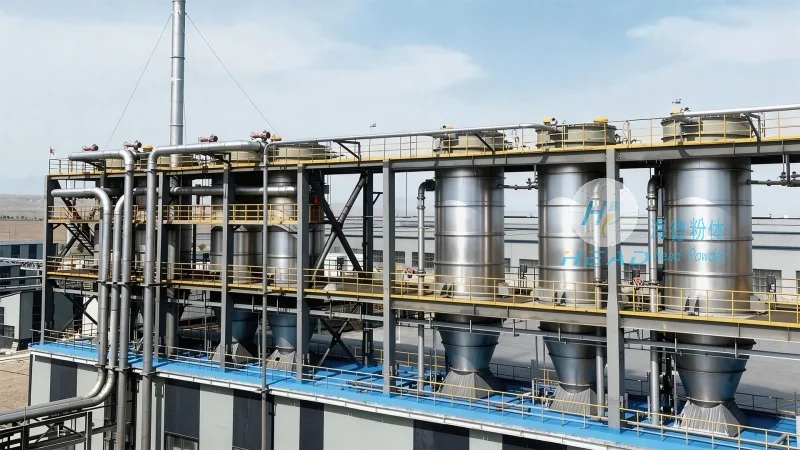
Components and Functionality of the Pneumatic Conveying System
The core components of an automatic bulk material pneumatic conveying system include the hopper, feeder, conveying line, and receiver. The hopper is where the material is stored, and the feeder controls the flow rate of the material into the system. The conveying line, typically made of metal or plastic, transports the material using compressed air. The receiver collects the material at the destination. The system operates by creating a pressure differential between the hopper and the receiver, which propels the material through the line. The design principle focuses on maintaining a consistent flow of material and air, preventing blockages and ensuring smooth operation. The system can be either positive pressure or negative pressure, depending on the application and material characteristics. Positive pressure systems use compressed air to push the material, while negative pressure systems use vacuum to pull the material. The choice of system depends on factors such as material density, particle size, and the distance to be conveyed.
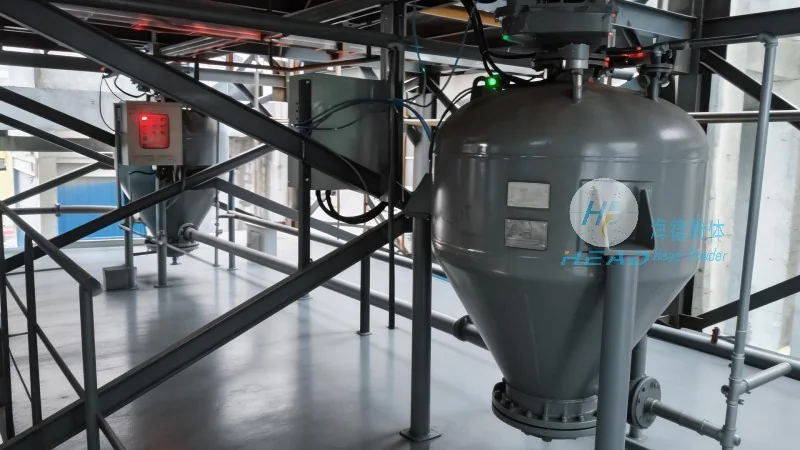
Design Principles and Engineering Considerations
The design of an automatic bulk material pneumatic conveying system involves several key principles to ensure efficiency and reliability. First, the system must be designed to handle the specific properties of the material being conveyed, such as particle size, density, and flowability. The hopper and feeder are designed to minimize material bridging and ensure a consistent feed rate. The conveying line diameter and length are calculated based on the material's characteristics and the required flow rate. The air velocity within the line is critical; it must be high enough to keep the material suspended but not so high as to cause excessive wear or energy consumption. The system also includes control mechanisms to regulate the air pressure and flow rate, ensuring stable operation. The design process involves computational fluid dynamics (CFD) simulations to optimize the system's performance and identify potential issues before construction. This approach helps in reducing operational costs and increasing the system's lifespan.
Applications and Benefits of the Pneumatic Conveying System
The automatic bulk material pneumatic conveying system is used in a variety of applications where traditional conveying methods are not suitable. For example, in food processing, it can transport powders and granules without contamination, maintaining product quality. In pharmaceuticals, the system ensures that materials are handled in a sterile environment, meeting regulatory requirements. In chemical industries, it can handle corrosive or hazardous materials safely. The benefits of using a pneumatic conveying system include reduced labor costs, increased safety, and improved product quality. The system is also flexible, allowing for easy integration with existing production lines. Additionally, it can handle materials over long distances without the need for multiple transfer points, which reduces the risk of material loss and contamination. The system's ability to operate continuously and with minimal maintenance makes it a cost-effective solution for bulk material handling.
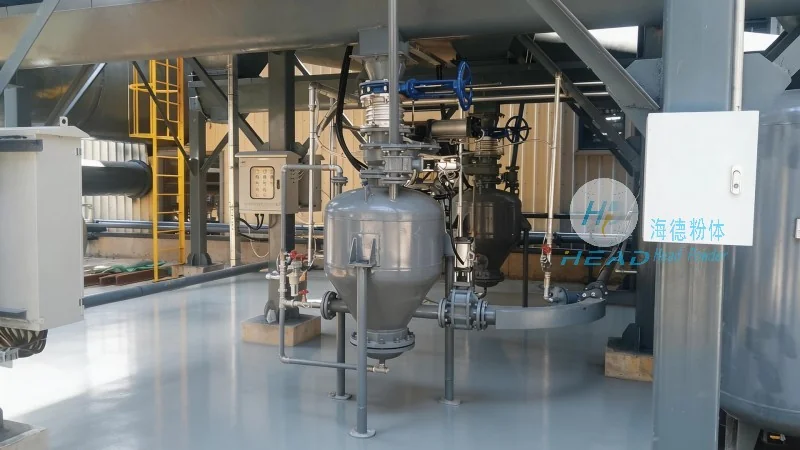
About Shandong HeadPowder Engineering Co., Ltd.
Shandong HeadPowder Engineering Co., Ltd., commonly known as HeadPowder, is a leading manufacturer of bulk material handling equipment. With a strong focus on innovation and quality, HeadPowder specializes in designing and manufacturing automatic pneumatic conveying systems tailored to the needs of various industries. The company's headquarters is located in Shandong, China, where it has a team of experienced engineers and technicians dedicated to developing cutting-edge solutions. HeadPowder's products are known for their durability, efficiency, and reliability, meeting the highest industry standards. The company provides comprehensive services, including system design, installation, and maintenance, ensuring that clients receive end-to-end support. HeadPowder's commitment to customer satisfaction and technological advancement has made it a trusted partner for businesses worldwide seeking reliable bulk material handling solutions.




