For industries dealing with bulk materials packaged in small bags, efficient and reliable material handling is crucial. A small bag unpacking pneumatic conveying system offers a solution that integrates bag opening, material transfer, and processing in a streamlined manner. This article explores what such a system entails and the underlying design principles that make it effective.
Understanding the Small Bag Unpacking Pneumatic Conveying System
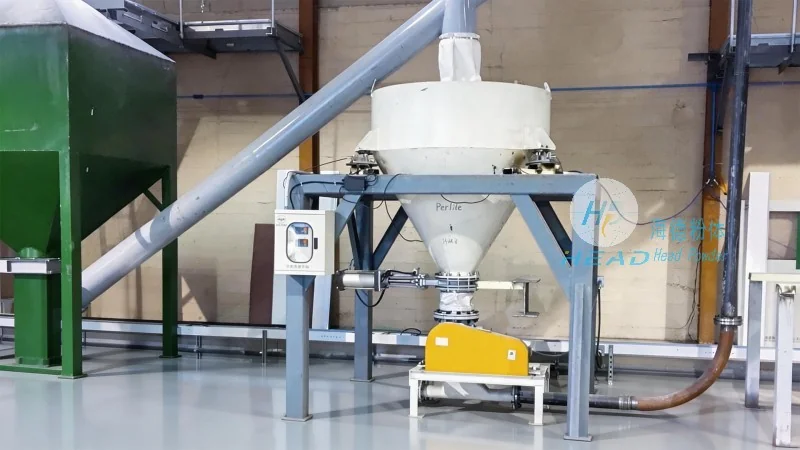
The small bag unpacking pneumatic conveying system is a specialized equipment designed to handle the entire process of material handling from the point of small bag packaging to the point of material delivery to the processing unit. It typically consists of several key components, including a bag opening mechanism, a pneumatic conveying unit, and associated control systems. The system is engineered to efficiently extract material from small bags, such as polyethylene or paper bags, and transport it through a network of pipes to the desired destination, such as a silo, mixer, or processing machine.
Key Components and Their Functions
At the core of the small bag unpacking pneumatic conveying system is the bag opening device. This component is responsible for breaking the seal of the small bag and releasing the material inside. Common types of bag opening mechanisms include mechanical cutting, air knife systems, or rotary cutters, each designed to handle different bag materials and sizes. The efficiency of the bag opening process directly impacts the overall throughput of the system, as any delay or inefficiency in this step can lead to bottlenecks in material handling.
Following the bag opening stage, the material is transferred via a pneumatic conveying system. This system utilizes compressed air to create a flow that moves the material through the conveying pipes. The conveying unit typically includes a hopper to collect the material from the bag opening mechanism, a blower or air compressor to generate the necessary air pressure, and a series of pipes that guide the material to the processing area. The design of the conveying system must consider factors such as material density, particle size, and moisture content to ensure optimal performance and prevent blockages or material degradation.
Design Principles for Efficient Operation
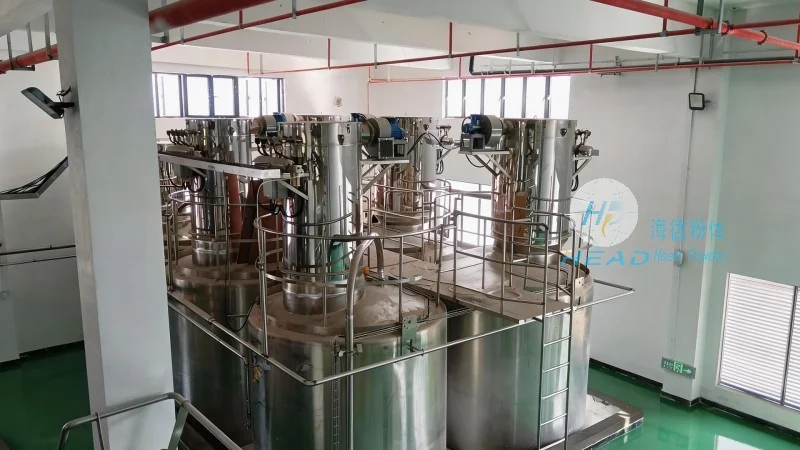
The design of a small bag unpacking pneumatic conveying system is guided by several key principles aimed at maximizing efficiency, reliability, and safety. One of the primary principles is the principle of continuous flow, where the system is designed to operate continuously without interruptions, ensuring a steady supply of material to downstream processes. This is achieved through the integration of a hopper with sufficient capacity to store the material from multiple bags, allowing for a smooth transition between bag openings.
Another critical design principle is the consideration of material characteristics. Different materials have varying properties that affect how they are handled by the system. For example, dusty or fine materials may require additional filtration and dust control measures to prevent clogging and ensure clean operation. The system design must account for these characteristics to maintain consistent performance and prevent equipment wear and tear.
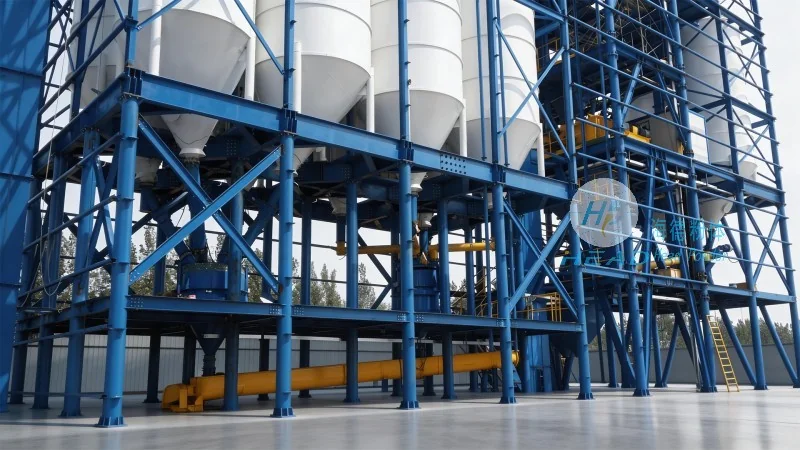
Energy efficiency is also a key consideration in the design of such systems. By optimizing the air pressure and flow rates, the system can minimize energy consumption while maintaining the required material throughput. This not only reduces operational costs but also contributes to environmental sustainability. The use of high-efficiency blowers and optimized pipe layouts are common strategies employed to achieve energy efficiency.
Applications and Industry Use Cases
The small bag unpacking pneumatic conveying system is widely used in various industries, including food processing, chemical manufacturing, and pharmaceuticals. In the food industry, it is commonly used to handle ingredients such as flour, sugar, and spices, where hygiene and material purity are paramount. The system's design allows for easy cleaning and maintenance, ensuring compliance with industry regulations. In the chemical industry, it is used to transfer powders and granules, where the ability to handle different material types and prevent contamination is essential.
Conclusion
The small bag unpacking pneumatic conveying system is a sophisticated piece of equipment that combines bag opening technology with pneumatic conveying to provide an efficient solution for material handling. Its design is based on principles that prioritize continuous operation, material compatibility, and energy efficiency. By understanding these principles and the key components of the system, industries can select and implement the most suitable equipment to meet their material handling needs. As a leading provider in this field, Shandong HeadPowder Engineering Co., Ltd. specializes in designing and manufacturing such systems tailored to the specific requirements of various industries.




