The magnesium sulfate powder conveyor is a specialized piece of industrial equipment designed to handle the transportation of magnesium sulfate powder efficiently and safely. As a critical component in many industrial processes, understanding its functionality and design principles is essential for optimizing operations. This article will delve into the specifics of what a magnesium sulfate powder conveyor is and the underlying design principles that make it effective.
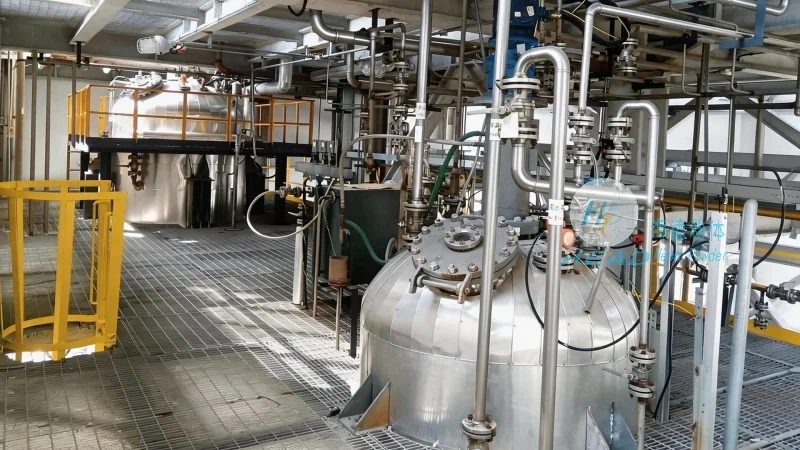
Understanding the Core Function of a Magnesium Sulfate Powder Conveyor
The primary function of a magnesium sulfate powder conveyor is to transport magnesium sulfate powder from one location to another within an industrial setting. This equipment is particularly important in industries where magnesium sulfate is a key raw material, such as in the production of fertilizers, pharmaceuticals, or chemical manufacturing. The conveyor ensures that the powder moves smoothly and without degradation, maintaining its quality and consistency throughout the process.
Key Design Principles Behind Magnesium Sulfate Powder Conveyors
The design of a magnesium sulfate powder conveyor is based on several critical principles to ensure optimal performance. First, it must address the unique properties of magnesium sulfate powder, which can be hygroscopic and prone to caking. The conveyor's design incorporates features like anti-stick surfaces and proper air flow to prevent blockages and ensure continuous operation. Second, the system is engineered for durability and reliability, as it operates in harsh industrial environments. Materials such as stainless steel or corrosion-resistant alloys are often used to withstand the chemical properties of magnesium sulfate and prevent contamination. Third, the conveyor is designed for efficiency, minimizing energy consumption while maximizing throughput. This is achieved through optimized belt speeds, proper incline angles, and efficient drive systems.
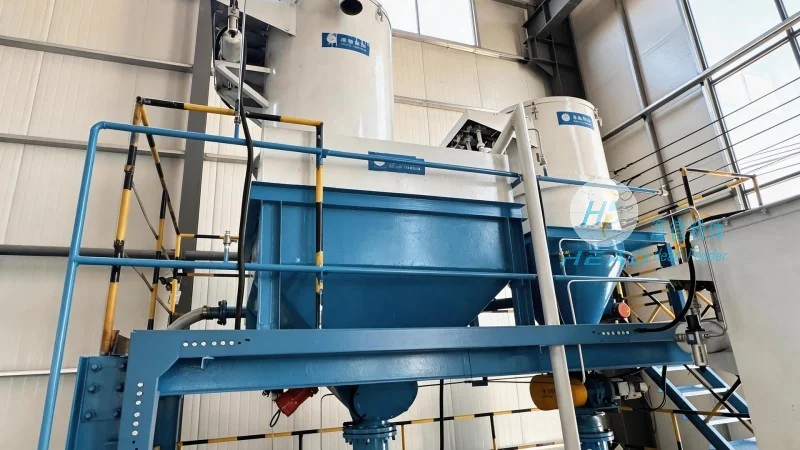
Components and Working Mechanism of Magnesium Sulfate Powder Conveyors
A magnesium sulfate powder conveyor typically consists of several key components that work together to facilitate powder transport. The main components include a conveyor belt, a drive system, a hopper or feeding mechanism, and a discharge system. The conveyor belt, often made of a durable, non-stick material like polyurethane or rubber, carries the magnesium sulfate powder from the feeding point to the discharge point. The drive system, usually an electric motor with a gearbox, provides the necessary power to move the belt at a controlled speed. The hopper or feeding mechanism ensures that the powder is fed evenly onto the belt, preventing overloading and ensuring consistent flow. The discharge system, which may include a chute or a rotating valve, controls the release of the powder at the end of the conveyor.
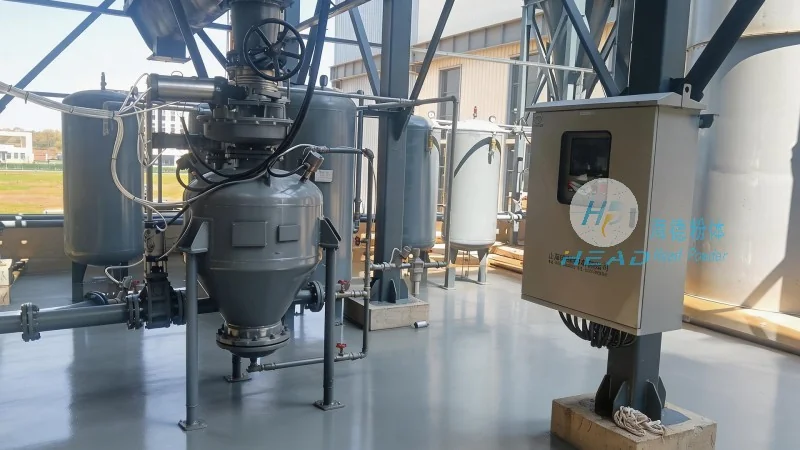
Application Scenarios and Benefits of Using Magnesium Sulfate Powder Conveyors
Magnesium sulfate powder conveyors are widely used in various industrial applications due to their effectiveness in handling the material. In the fertilizer industry, they are used to transport magnesium sulfate as a raw material for producing fertilizers. In pharmaceutical manufacturing, they help in moving the powder for processing into medications. The benefits of using such conveyors include improved safety by reducing manual handling of the powder, increased efficiency by automating the transport process, and better product quality by maintaining the powder's integrity. Additionally, these conveyors help in reducing dust emissions and improving workplace hygiene, which is crucial in environments where magnesium sulfate powder is handled.
Maintenance and Operational Tips for Magnesium Sulfate Powder Conveyors
To ensure the longevity and optimal performance of a magnesium sulfate powder conveyor, regular maintenance is essential. Operators should follow a routine maintenance schedule that includes checking the conveyor belt for wear and tear, lubricating the drive system, and cleaning the hopper and discharge area to prevent clogging. It is also important to monitor the belt speed and tension to ensure consistent operation. Additionally, operators should be trained on the proper handling of magnesium sulfate powder to avoid spills or contamination. By following these maintenance and operational tips, the conveyor can operate efficiently for extended periods, reducing downtime and maintenance costs.




