For industrial applications, especially in the power generation sector, the efficient handling and transportation of fly ash are critical. A fly ash powder conveying system equipment is a specialized piece of machinery designed to transport fly ash from its source, such as a boiler or storage silo, to its destination, like a disposal site or reutilization facility. This equipment is essential for maintaining operational efficiency and compliance with environmental regulations. In this article, we will explore the components, working principles, and design considerations of such a system, with a focus on the expertise of Shandong HeadPowder Engineering Co., Ltd., a leading provider in the field.
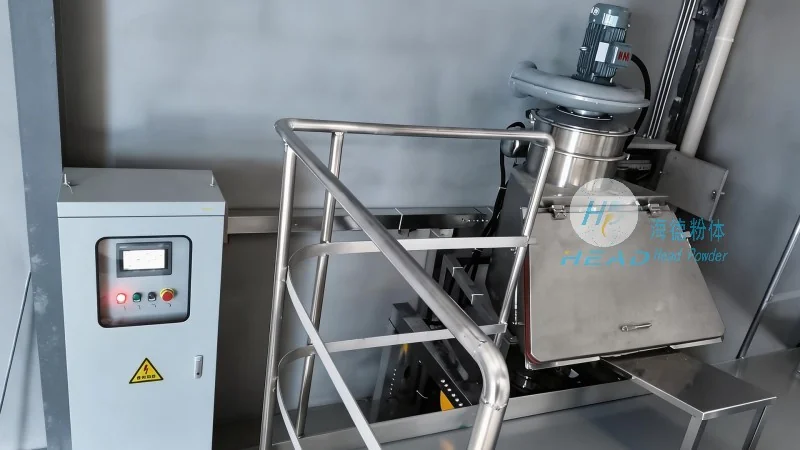
About Shandong HeadPowder Engineering Co., Ltd.
Shandong HeadPowder Engineering Co., Ltd., commonly known as HeadPowder, is a reputable company based in Shandong, China. With years of experience in the engineering and manufacturing of industrial conveying systems, HeadPowder specializes in developing solutions tailored to the unique needs of the power and environmental industries. The company's commitment to quality, innovation, and customer satisfaction has established it as a trusted partner for clients seeking reliable fly ash handling solutions.
Key Components of the Fly Ash Powder Conveying System
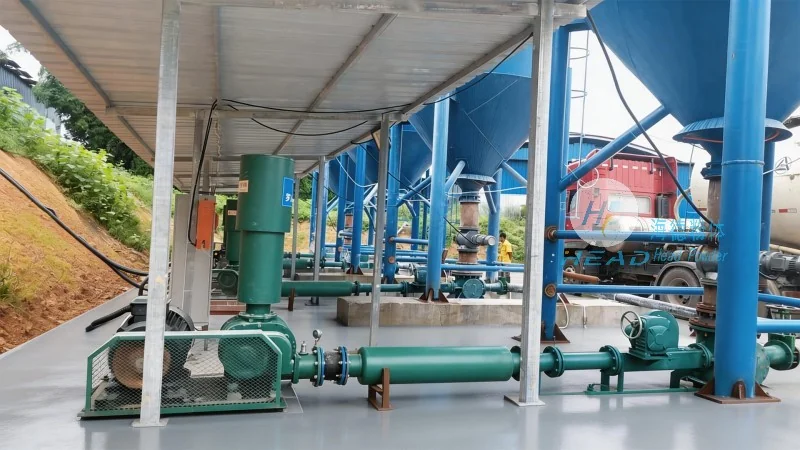
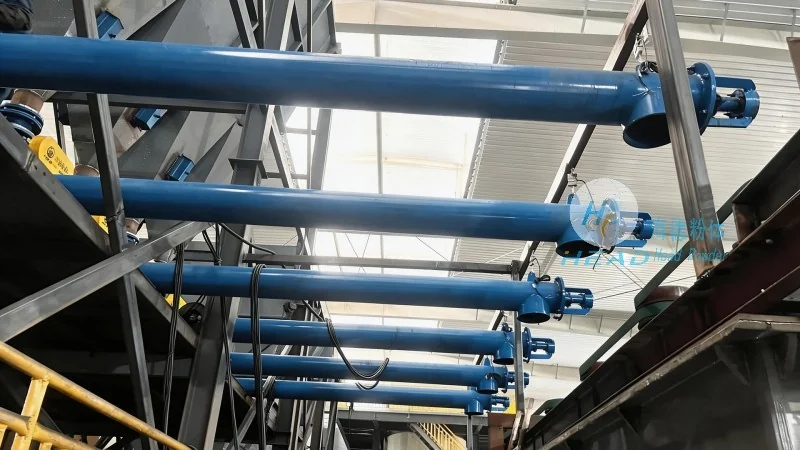
The fly ash powder conveying system typically consists of several key components that work in tandem to ensure smooth and efficient operation. These components include: 1. Material Hopper or Silo, which serves as the storage container for the fly ash, providing a consistent feed to the conveying system. 2. Feeder, such as a rotary valve or screw feeder, which regulates the flow of fly ash from the hopper into the conveying line. 3. Conveying Pipeline, usually made of high-quality materials like stainless steel or polyethylene, which transports the fly ash from the source to the destination. 4. Air Blower or Positive Displacement Pump, which provides the necessary pressure and airflow to move the fly ash through the pipeline. 5. Control System, which monitors and controls the operation of the entire system, ensuring safe and efficient performance. Each component plays a crucial role in the overall functionality of the system, and their proper integration is essential for optimal performance.
Design Principles and Working Mechanism
The design of a fly ash powder conveying system is based on several fundamental principles to ensure reliability, efficiency, and safety. The primary design principle is to minimize the risk of fly ash agglomeration and blockage in the pipeline, which can lead to system downtime and operational issues. To achieve this, the system is designed with a combination of low velocity and appropriate air pressure, which helps to keep the fly ash in a suspended state. The system also incorporates features such as pulse jet cleaning, which periodically cleans the pipeline to prevent buildup and maintain consistent airflow. Additionally, the design considers the physical properties of fly ash, such as its particle size, density, and moisture content, to optimize the conveying parameters. The working mechanism involves the feeder releasing a controlled amount of fly ash into the pipeline, which is then mixed with air from the blower. The air-fuel mixture is then propelled through the pipeline to the destination, where the fly ash is deposited. The control system continuously monitors the pressure, flow rate, and other parameters to ensure the system operates within safe and efficient limits.
Advantages and Applications
The fly ash powder conveying system offers several advantages over traditional methods of fly ash handling, such as truck transport or manual loading. These advantages include: 1. Increased Efficiency, as the system can transport large volumes of fly ash over long distances with minimal labor. 2. Reduced Environmental Impact, as the system eliminates the need for trucks, reducing emissions and traffic congestion. 3. Improved Safety, as the system operates in a closed environment, minimizing the risk of dust exposure and accidents. 4. Cost Savings, as the system reduces labor costs and eliminates the need for multiple transportation vehicles. The system is widely used in power plants, cement plants, and other industrial facilities that generate fly ash as a byproduct. It is also suitable for reutilization applications, such as in the production of cement or concrete, where the fly ash is used as a supplementary cementitious material.
Maintenance and Operational Considerations
To ensure the long-term reliability and efficiency of the fly ash powder conveying system, regular maintenance and proper operational practices are essential. The system should be inspected regularly for signs of wear and tear, such as pipeline leaks or component failure. The air blower and other moving parts should be lubricated and checked for proper operation. The control system should be calibrated and tested periodically to ensure accurate monitoring and control. Additionally, the system should be cleaned regularly to prevent buildup of fly ash in the pipeline, which can affect airflow and system performance. Proper training of operators is also crucial to ensure safe and efficient operation of the system. By following these maintenance and operational guidelines, the system can operate at its optimal performance level, minimizing downtime and maximizing efficiency.
Conclusion
A fly ash powder conveying system equipment is a critical component in the efficient handling and transportation of fly ash in industrial applications. The design and operation of such a system are based on fundamental principles to ensure reliability, efficiency, and safety. With the expertise of companies like Shandong HeadPowder Engineering Co., Ltd., these systems can be tailored to meet the specific needs of clients, providing a cost-effective and environmentally friendly solution for fly ash management. By understanding the components, design principles, and operational considerations of the system, clients can make informed decisions when selecting and implementing a fly ash powder conveying system for their facilities.




