Small bag feeding material handling is a specialized process used in industrial settings to efficiently transfer bulk materials from sealed bags into processing equipment. This method is particularly valuable for handling dry powders, granules, and other free-flowing materials that require precise and controlled feeding. The entire system is designed to ensure minimal material loss, maintain consistent flow rates, and enhance overall operational efficiency in production lines.
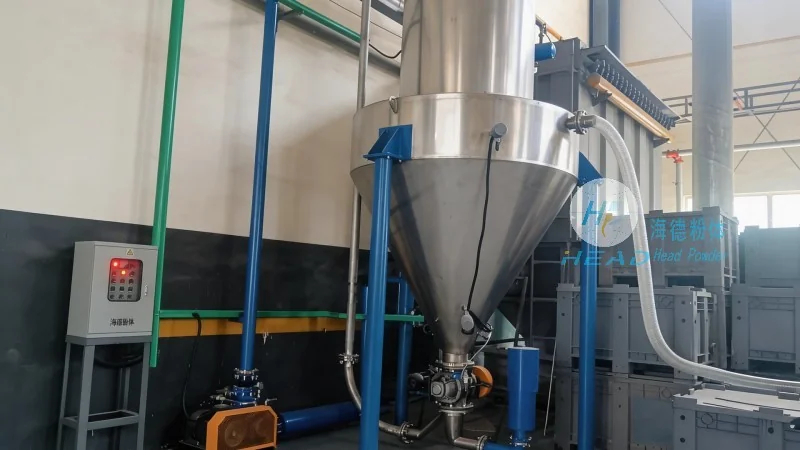
Key Components of Small Bag Feeding Systems
At the core of a small bag feeding system are several critical components that work in tandem to achieve effective material transfer. The primary elements include a bag opening mechanism, a hopper or receiving container, a feeding device (such as a screw feeder or rotary valve), and a control system for regulating the flow. Each component is engineered to handle the specific characteristics of the material being processed, such as particle size, moisture content, and bulk density. For instance, the bag opening mechanism may be a manual or automated device that safely and hygienically breaks the bag seal without damaging the material inside. The hopper is typically designed with a smooth interior to prevent material buildup and ensure uniform flow. The feeding device, often a screw conveyor or a rotary valve, is chosen based on the material's flowability and the required discharge rate. The control system, which may include sensors and variable speed drives, allows operators to adjust the feeding rate in real-time, ensuring that the processing equipment receives the exact amount of material needed.
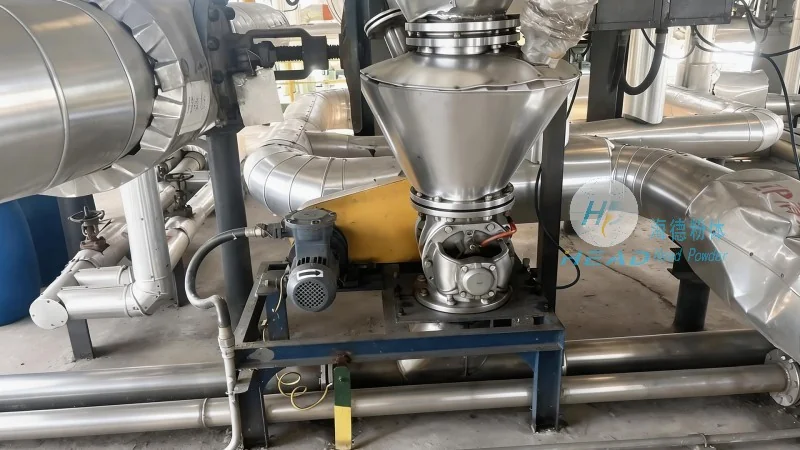
Design Principles for Optimal Performance
The design of small bag feeding systems follows several fundamental principles aimed at maximizing efficiency, reliability, and safety. One of the key principles is the minimization of material degradation during handling. This is achieved through the use of gentle feeding mechanisms and enclosed systems that prevent exposure to air, moisture, or contaminants. The system is also designed to maintain a consistent flow rate, which is crucial for processes that require precise material input, such as mixing, coating, or compounding. Another important principle is the prevention of material bridging or caking in the hopper and feeding device. This is typically addressed by incorporating vibration or aeration features into the design, which help maintain the material's free-flowing state. Additionally, the system is engineered for easy maintenance and cleaning, with components that can be easily disassembled and sanitized, especially in industries like pharmaceuticals or food processing where hygiene is paramount. The overall design also considers space constraints and integration with existing production lines, ensuring that the system can be installed and operated without significant disruption to current workflows.
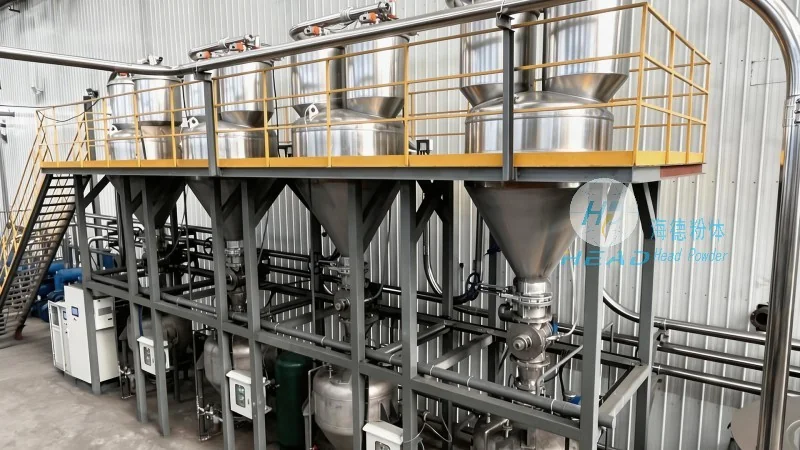
Applications and Industries
Small bag feeding material handling systems are widely used across various industries, including pharmaceuticals, food processing, chemical manufacturing, and agricultural processing. In the pharmaceutical industry, these systems are essential for handling active pharmaceutical ingredients (APIs) and excipients, where precision and contamination control are critical. The systems are designed to meet stringent regulatory requirements, such as those outlined by the FDA or GMP standards. In food processing, they are used to feed ingredients like flour, sugar, or spices into mixing or extrusion equipment, ensuring consistent product quality. In chemical manufacturing, the systems handle raw materials like powders and granules for processes like blending, drying, or reaction. The versatility of small bag feeding systems makes them suitable for a wide range of applications, from small-scale batch production to large-scale continuous operations.
Advantages of Using Small Bag Feeding Systems
Implementing small bag feeding material handling systems offers several advantages that contribute to improved operational performance and cost savings. One of the primary benefits is the reduction in material waste and loss. Traditional methods, such as manual bag emptying, often result in significant material spillage and contamination. The automated feeding systems minimize these issues by ensuring that the entire bag contents are transferred efficiently. Another advantage is the improvement in process consistency. By controlling the feeding rate precisely, the system helps maintain uniform material flow, which leads to more consistent product quality and reduces the need for rework or adjustments. Additionally, the systems enhance safety in the workplace by eliminating the need for manual handling of heavy bags or hazardous materials. This reduces the risk of accidents and improves overall workplace safety. Furthermore, the systems increase operational efficiency by automating the material transfer process, allowing operators to focus on other tasks and reducing downtime associated with manual bag emptying. The use of enclosed systems also helps in maintaining a clean and organized workspace, which is beneficial for industries with strict hygiene standards.
Conclusion
Small bag feeding material handling systems represent a sophisticated and efficient solution for transferring bulk materials from sealed bags into industrial processes. By adhering to design principles that prioritize material integrity, flow control, and safety, these systems enhance operational performance and contribute to cost savings across various industries. The integration of advanced components, such as automated bag opening mechanisms and precise feeding devices, ensures that the systems can handle a wide range of materials with minimal degradation. As industries continue to demand higher efficiency and quality in their production processes, small bag feeding systems remain a critical technology for maintaining competitiveness and meeting regulatory requirements. The expertise and engineering capabilities of companies like Shandong HeadPowder Engineering Co., Ltd. play a vital role in developing and implementing these systems, ensuring that clients receive tailored solutions that meet their specific operational needs.




