Fly ash, a byproduct of coal combustion in thermal power plants, is a valuable material used in construction and other industries. Efficient handling of this material is crucial for both environmental compliance and operational efficiency. The process of transporting and managing fly ash, known as fly ash material handling, involves a series of specialized equipment and systems designed to ensure safe, reliable, and cost-effective movement of the material from its source to its final destination.
Understanding Fly Ash Material Handling Systems
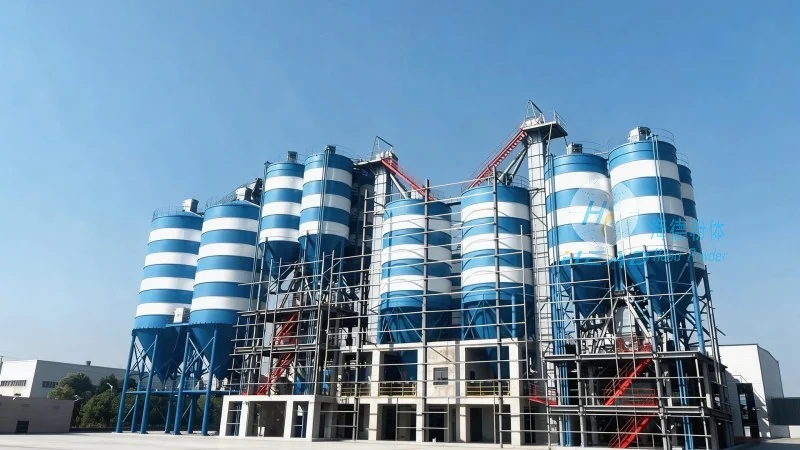
A typical fly ash material handling system comprises several interconnected components, including storage silos, conveyor systems, feeding mechanisms, and discharge equipment. These components work in tandem to control the flow of fly ash, prevent dust emissions, and maintain operational safety. The design of such systems must consider factors like material properties (e.g., particle size, moisture content), handling volume, and the specific application of the fly ash (e.g., use in concrete production or as a soil amendment).
Core Design Principles of Fly Ash Material Handling
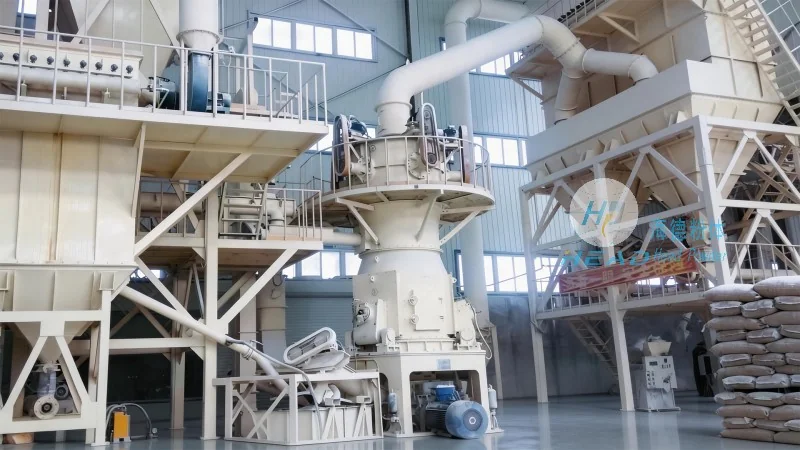
The design of fly ash material handling systems is guided by several key principles aimed at optimizing performance and minimizing risks. First, the principle of dust control is paramount, as fly ash is a fine particulate that can pose health and environmental hazards if not properly contained. This is achieved through the use of sealed systems, dust collection equipment, and proper ventilation. Second, the principle of material flow management ensures that the ash moves smoothly and without blockages, which requires careful consideration of the system's layout, slope, and the use of appropriate conveyor types (e.g., belt conveyors, screw conveyors). Third, the principle of safety and reliability dictates that all components are designed to withstand the physical and chemical properties of fly ash, including its abrasive nature and potential for spontaneous combustion under certain conditions.
Key Components and Their Functions in Fly Ash Handling
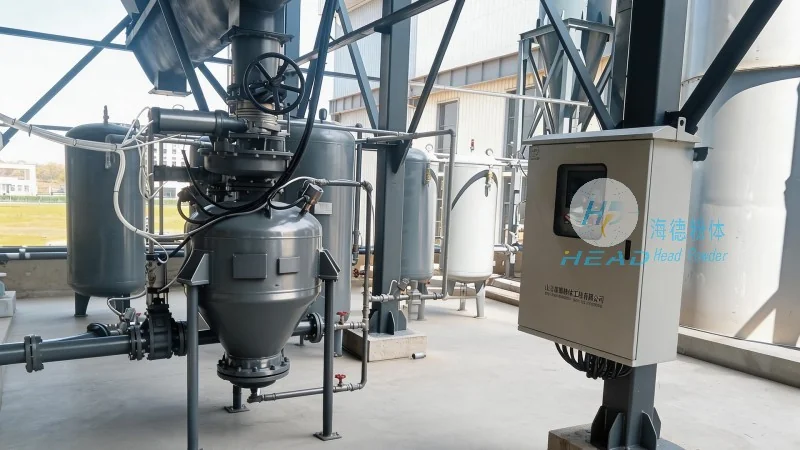
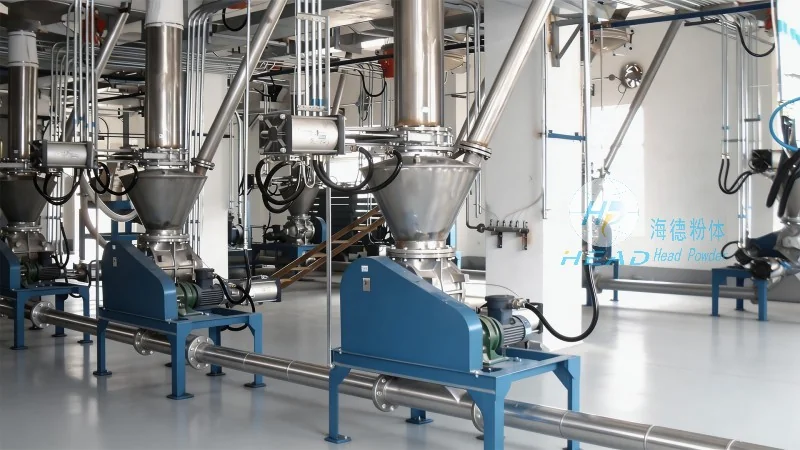
Several critical components are integral to the effective operation of fly ash material handling systems. Storage silos, typically made of steel or concrete, are used to store large quantities of fly ash, providing a buffer between production and processing. These silos are equipped with internal liners and anti-corrosion coatings to protect against the acidic and abrasive properties of the material. Conveyor systems, such as belt conveyors or bucket elevators, are responsible for transporting the fly ash from the silo to the processing or discharge point. Feeding mechanisms, including rotary valves and screw feeders, regulate the flow of material from the silo to the conveyor, ensuring a consistent and controlled output. Discharge equipment, such as hoppers and chutes, directs the fly ash to its final destination, whether it is a mixing plant, a storage area, or a transportation vessel.
Application Scenarios and Practical Considerations
Fly ash material handling systems are employed in a variety of industrial settings, from power plants to construction material manufacturers. In power plants, the systems are designed to handle large volumes of fly ash produced during coal combustion, often for reuse in cement production or as a soil conditioner. In construction material plants, the systems ensure that fly ash is efficiently delivered to mixing equipment, where it is incorporated into concrete or other building materials. Practical considerations in the design of these systems include the need for scalability to accommodate varying production rates, the importance of maintenance accessibility to reduce downtime, and the compliance with local environmental regulations regarding dust emissions and waste management.
The Role of Shandong HeadPowder Engineering Co., Ltd. in Fly Ash Handling Solutions
Shandong HeadPowder Engineering Co., Ltd., commonly known as headpowder, is a leading provider of specialized engineering solutions for fly ash material handling. With operations based in Shandong, China, the company has extensive experience in designing, manufacturing, and installing systems tailored to the unique needs of its clients. Headpowder's expertise lies in integrating advanced technology with practical engineering to create systems that are both efficient and cost-effective. The company's team of engineers and technicians works closely with clients to assess their specific requirements, from material properties and handling volumes to operational constraints and safety standards. By leveraging their knowledge of fly ash behavior and handling technologies, headpowder delivers customized solutions that enhance productivity, reduce environmental impact, and ensure long-term reliability.




