Understanding the material handling of nickel sulfate is crucial for industries that rely on this chemical compound. Proper handling ensures efficiency, safety, and compliance with regulatory standards. This article explores the key aspects of nickel sulfate material handling and the design principles that underpin effective systems.
Introduction to Nickel Sulfate Material Handling
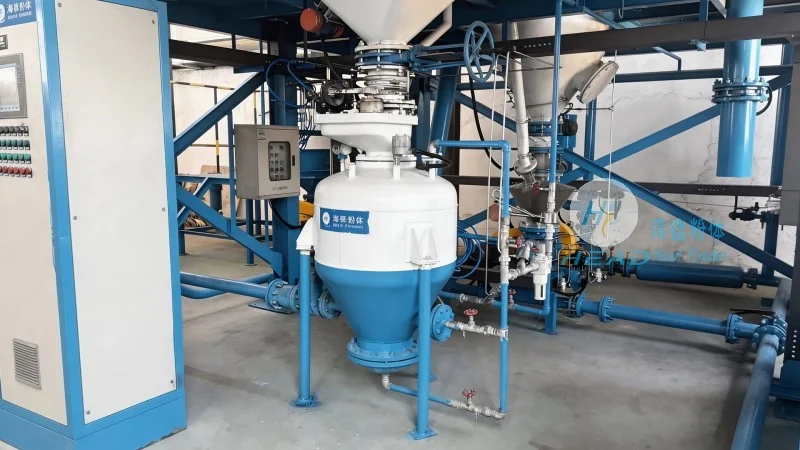
Nickel sulfate, a common chemical used in various industrial applications such as battery production, electroplating, and chemical synthesis, requires specialized handling due to its properties. Effective material handling systems for nickel sulfate must address challenges like dust control, corrosion resistance, and material flow optimization. The design of these systems is critical to minimize risks and maximize operational efficiency.
About HeadPowder Engineering Co., Ltd.
HeadPowder Engineering Co., Ltd., a leading provider of material handling solutions, specializes in designing and implementing systems tailored to the unique needs of chemical industries. With a focus on innovation and safety, HeadPowder offers comprehensive services that include system design, equipment selection, and installation. The company is headquartered in Shandong, China, and serves clients globally with expertise in handling hazardous and specialty chemicals like nickel sulfate.
Key Design Principles for Nickel Sulfate Material Handling
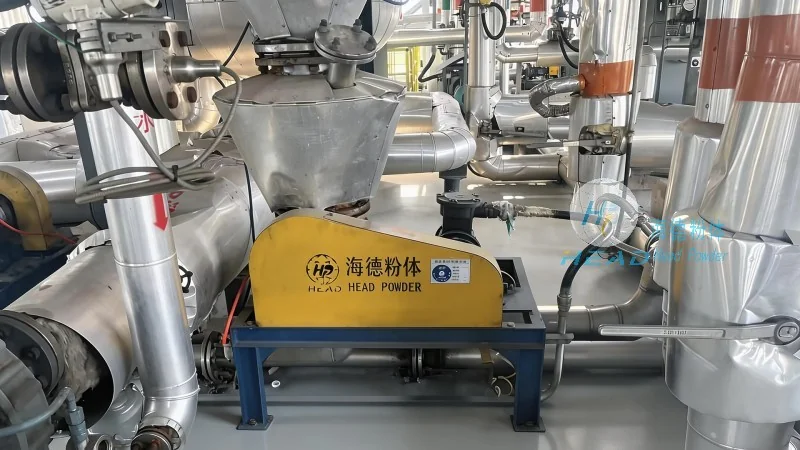
The design of nickel sulfate material handling systems follows several fundamental principles to ensure reliability and safety. First, material compatibility is paramount. Equipment and materials of construction must resist corrosion from nickel sulfate, often requiring stainless steel or specialized coatings. Second, dust control is essential. Nickel sulfate is a fine powder that can create airborne hazards, necessitating enclosed systems, dust collection equipment, and proper ventilation. Third, flow optimization is critical. Proper design of hoppers, conveyors, and storage vessels ensures smooth material transfer, reducing blockages and downtime. Fourth, safety measures are integrated into the design. This includes explosion-proof components, emergency shutdown systems, and compliance with local and international safety regulations.
Equipment Selection for Nickel Sulfate Handling
Choosing the right equipment is a key part of designing an effective nickel sulfate material handling system. Common equipment includes hoppers for storage, screw conveyors or belt conveyors for transport, and pneumatic systems for dust-free transfer. The selection depends on factors such as the material's bulk density, flowability, and the distance it needs to be moved. For example, screw conveyors are suitable for horizontal or slight incline transport, while belt conveyors can handle longer distances and higher capacities. Pneumatic systems are ideal for enclosed, dust-free environments, ensuring that nickel sulfate is transferred without generating airborne particles.
Process Flow and Integration
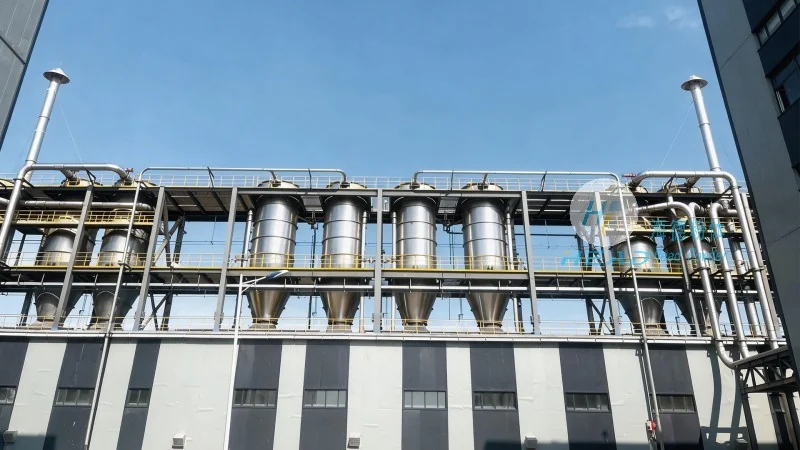
Effective nickel sulfate material handling involves integrating the handling system with the overall production process. This includes connecting storage areas to processing units, such as reactors or mixing tanks, in a seamless manner. The design must consider the entire workflow, from raw material storage to final product output, to minimize bottlenecks and ensure a continuous operation. Automation and control systems are often incorporated to monitor and adjust the material flow in real-time, enhancing efficiency and reducing human error.
Safety and Compliance Considerations
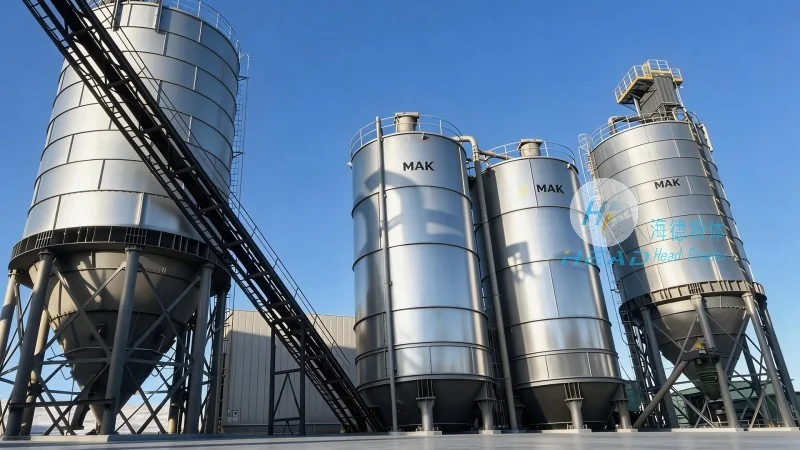
Handling nickel sulfate requires strict adherence to safety and regulatory standards. The design of the system must incorporate features that mitigate risks, such as explosion-proof motors, fire suppression systems, and proper grounding to prevent static electricity buildup. Additionally, the system must comply with local environmental regulations regarding waste disposal and emissions. Regular maintenance and inspections are also critical to ensure that the equipment remains in safe working condition and meets all compliance requirements.
Conclusion
Designing an effective nickel sulfate material handling system requires a comprehensive approach that considers material properties, equipment selection, safety measures, and process integration. By adhering to the key design principles outlined above, industries can ensure efficient and safe handling of nickel sulfate, minimizing risks and maximizing productivity. HeadPowder Engineering Co., Ltd. provides expert solutions tailored to these needs, helping clients achieve optimal material handling in their operations.




