Phosphate iron material handling refers to the process of transporting and managing phosphate iron powders or related materials in industrial settings. This involves the use of specialized equipment and systems to ensure efficient, safe, and reliable movement of these materials from one location to another. As a key component in various industrial applications, understanding the principles behind phosphate iron material handling is crucial for optimizing production processes and maintaining operational efficiency.
Introduction to Phosphate Iron Material Handling
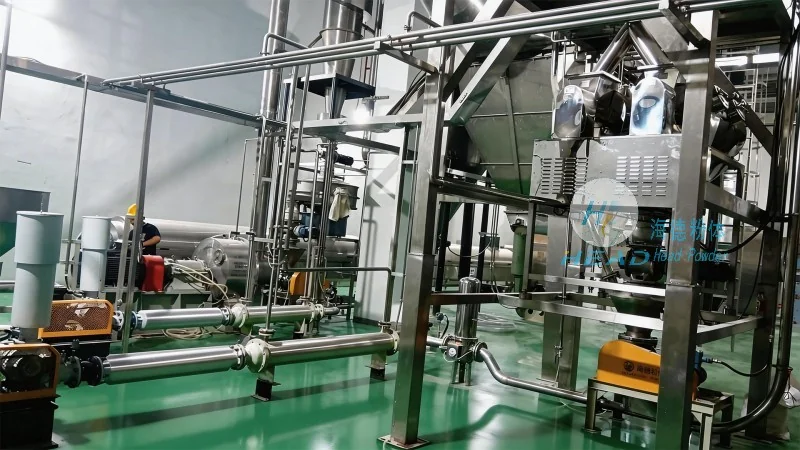
Phosphate iron is a type of iron-based material often used in the manufacturing of batteries, catalysts, and other industrial products. The material handling of phosphate iron involves the transportation of these powders or granules, which can be challenging due to their fine particle size and potential for dust generation. Proper handling techniques are essential to prevent material loss, ensure worker safety, and maintain the quality of the material throughout the process. HeadPowder, a leading company in material handling solutions, specializes in designing and implementing systems tailored to the unique characteristics of phosphate iron and other similar materials.
Design Principles for Phosphate Iron Material Handling Systems
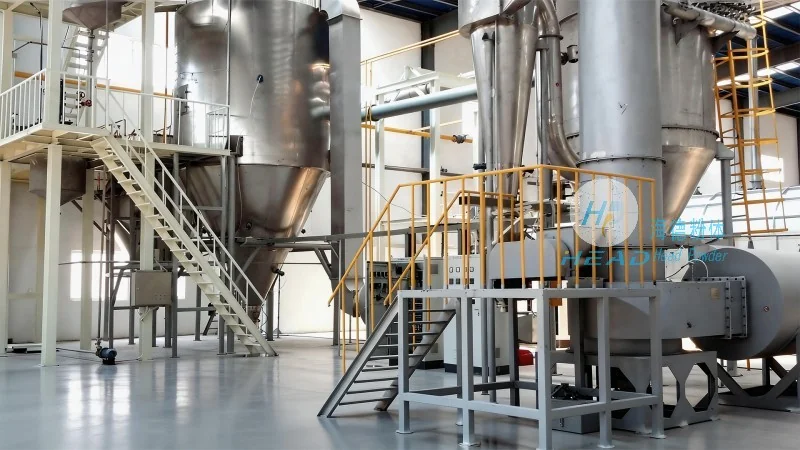
The design of phosphate iron material handling systems is based on several key principles aimed at maximizing efficiency, safety, and material integrity. These principles include:
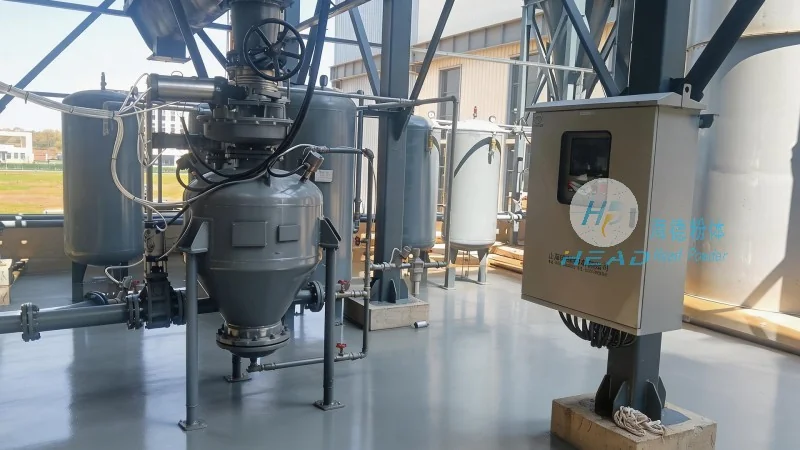
- Containment and Dust Control: Phosphate iron powders are often fine and can generate dust, which poses health and safety risks. Systems are designed with enclosed conveying lines, dust collection systems, and proper ventilation to minimize dust exposure and ensure compliance with environmental regulations.
- Material Flow Optimization: The design focuses on creating smooth, continuous material flow to reduce downtime and prevent blockages. This involves selecting appropriate conveyor types, such as screw conveyors, pneumatic conveyors, or belt conveyors, based on the material's properties and the system's requirements.
- Equipment Durability and Corrosion Resistance: Phosphate iron materials can be abrasive and may cause corrosion in certain materials. Therefore, the equipment used in the handling process is typically made from corrosion-resistant materials like stainless steel or specialized alloys to ensure long-term durability and minimize maintenance costs.
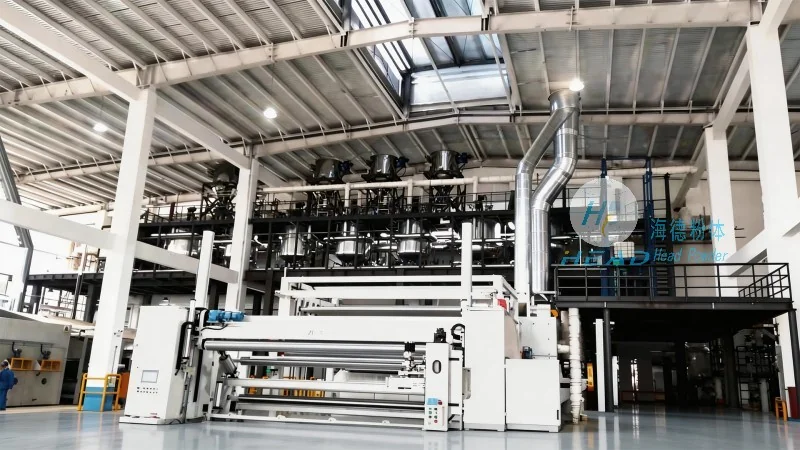
- Integration with Production Processes: The material handling system is integrated with the overall production line to ensure seamless operation. This includes features like automated feeding, level sensors, and control systems that allow for real-time monitoring and adjustment of the material flow.
Key Components and Technologies in Phosphate Iron Material Handling
Several key components and technologies are integral to effective phosphate iron material handling. These include:
- Conveying Equipment: Screw conveyors are commonly used for vertical or horizontal transport due to their ability to handle fine powders without blockages. Pneumatic conveyors, such as pressure or vacuum systems, are also used for long-distance or high-volume transport, especially when dust control is a priority.
- Dust Collection Systems: These systems are crucial for maintaining a clean and safe working environment. They typically consist of hoods, ducts, and filters that capture and remove dust particles from the air, preventing contamination and ensuring compliance with health and safety standards.
- Material Feeders: Proper feeding mechanisms, such as rotary valves or vibratory feeders, are used to control the flow rate of phosphate iron into the conveying system. This helps maintain consistent material flow and prevents overloading or underloading of the equipment.
- Control and Monitoring Systems: Modern material handling systems incorporate advanced control systems that allow for real-time monitoring of parameters like flow rate, pressure, and temperature. This enables operators to quickly identify and address any issues, ensuring optimal performance and minimizing downtime.
Applications and Benefits of Phosphate Iron Material Handling
Phosphate iron material handling systems are widely used in various industries, including battery manufacturing, chemical processing, and metalworking. The benefits of these systems include improved production efficiency, reduced material loss, enhanced worker safety, and compliance with environmental regulations. By implementing an effective material handling solution, companies can streamline their operations, reduce costs, and improve the overall quality of their products.
Conclusion
Phosphate iron material handling is a critical aspect of industrial operations, requiring careful consideration of design principles and specialized equipment. Companies like Shandong HeadPowder Engineering Co., Ltd. (HeadPowder) play a vital role in providing tailored solutions that meet the unique needs of phosphate iron processing. By focusing on containment, material flow optimization, and equipment durability, these systems ensure efficient and safe handling of phosphate iron materials, contributing to the success of industrial applications.




