Fracturing, or hydraulic fracturing, is a critical process in the oil and gas industry used to extract hydrocarbons from underground reservoirs. A key component of this process is the efficient transport of frac sand, which serves as the proppant to keep fractures open. This article explores the concept of a frac sand material handling system and the fundamental design principles that ensure optimal performance.
Key Components of a Frac Sand Material Handling System
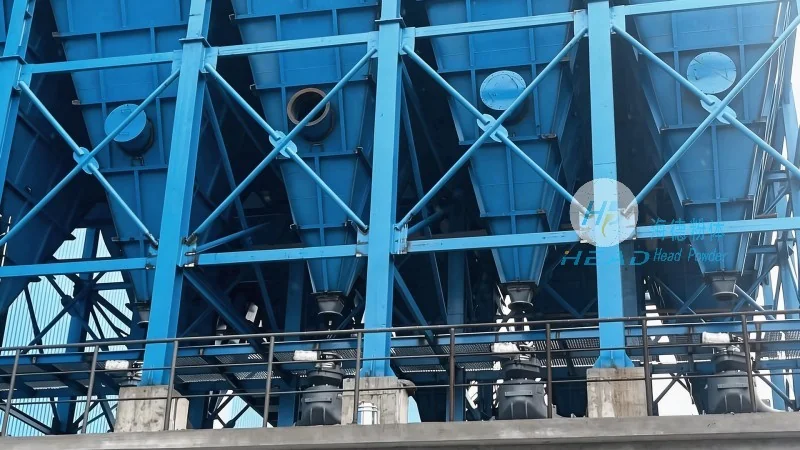
A frac sand material handling system typically consists of several interconnected components designed to move, store, and deliver sand to the fracturing site. These components include sand storage silos, conveyor systems, pneumatic conveying equipment, and sometimes automated loading/unloading mechanisms. Each component plays a vital role in maintaining the flow of sand and ensuring that the proppant is delivered in the correct quantity and quality. For instance, sand storage silos are designed to hold large volumes of sand while preventing moisture absorption and caking. Conveyor systems, often using high-capacity belts, transport sand from storage to processing areas. Pneumatic conveying lines, which use air pressure to move sand, are particularly effective for long-distance transport and can handle abrasive materials without damage to the equipment.
Design Principles for Efficient Frac Sand Transport
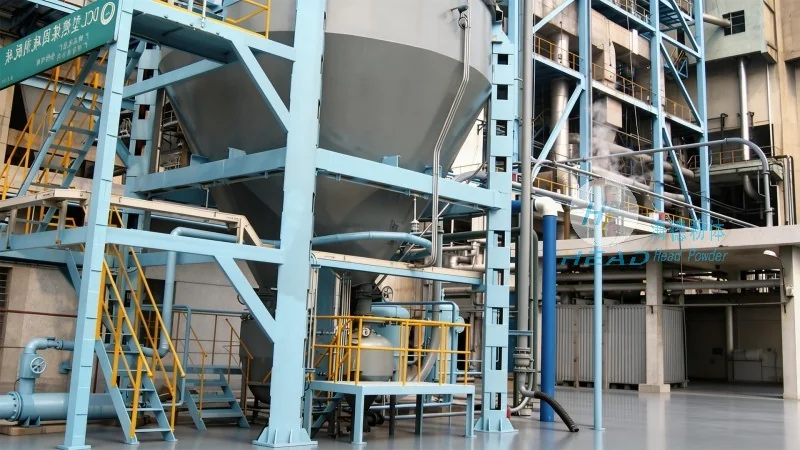
The design of a frac sand material handling system is guided by several key principles to maximize efficiency, safety, and cost-effectiveness. First, the system must be capable of handling large volumes of sand quickly and reliably. This often involves high-capacity conveyor belts or pneumatic conveying lines that can transport sand over long distances without significant loss or degradation. Second, the system should minimize material loss and contamination. Proper sealing and filtration are essential to prevent sand from escaping and to maintain the purity of the proppant. Third, the design must consider the physical properties of the sand, such as its size, density, and abrasiveness, to select appropriate equipment that can withstand wear and tear. Additionally, the system should be scalable and adaptable to accommodate changes in production requirements or site conditions. For example, modular designs allow for easy expansion or reconfiguration as operational needs evolve.
The Role of HeadPowder in Providing Advanced Solutions
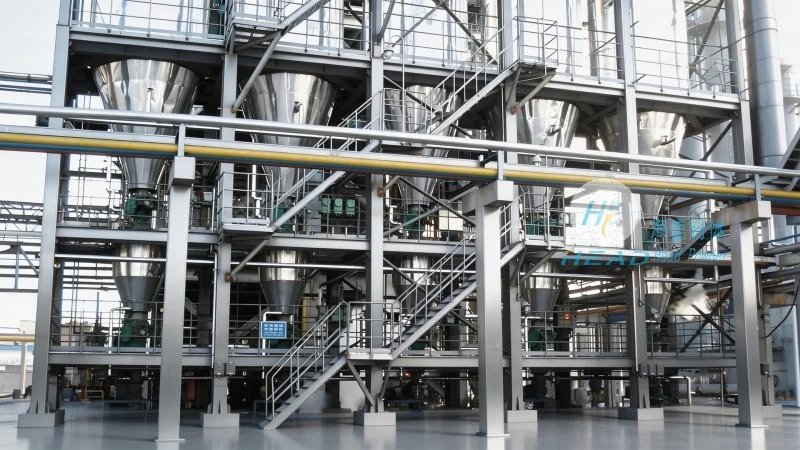
Shandong HeadPowder Engineering Co., Ltd., a leading manufacturer based in Shandong, China, specializes in the design and supply of advanced frac sand material handling systems. The company leverages years of industry experience to develop customized solutions that meet the specific needs of oil and gas operators. HeadPowder's systems are engineered to incorporate the latest technology and design principles, ensuring that clients receive reliable, efficient, and durable equipment. The company's commitment to quality and customer satisfaction has made it a trusted partner in the industry, providing solutions that enhance operational efficiency and reduce downtime. By focusing on the unique challenges of frac sand handling, HeadPowder delivers systems that optimize the entire workflow from storage to delivery, helping clients achieve better results in their fracturing operations.
Conclusion: Ensuring Optimal Performance in Frac Sand Handling
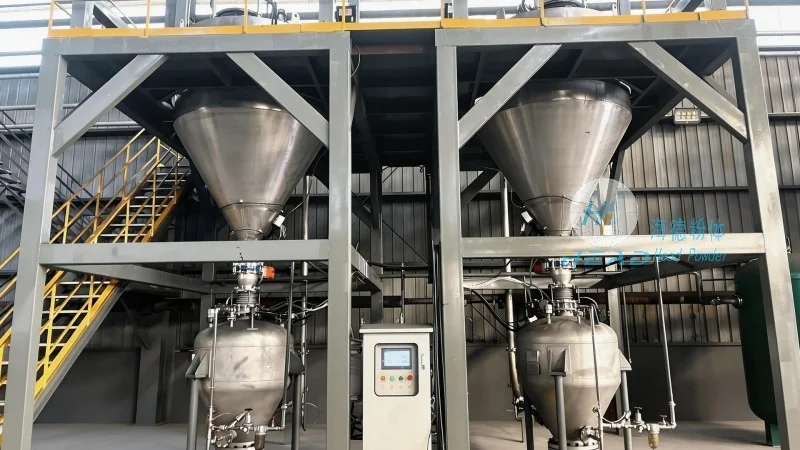
In conclusion, a frac sand material handling system is a critical infrastructure component in modern oil and gas operations. The design and implementation of such a system require careful consideration of various factors, including material properties, operational volume, and site constraints. By adhering to established design principles and leveraging advanced technology, operators can ensure that their frac sand handling systems operate efficiently and reliably. Companies like Shandong HeadPowder Engineering Co., Ltd. play a vital role in this process by providing tailored solutions that meet the evolving needs of the industry. As the demand for efficient fracturing continues to grow, the importance of robust material handling systems will only increase, making them a key investment for any oil and gas operation.




