For businesses involved in soybean processing and storage, understanding the functionality and design principles of a soybean grain material handling system is crucial. These systems are engineered to efficiently transport, store, and manage soybean grains throughout the production and processing stages. The design of such systems is tailored to meet the specific physical and chemical properties of soybeans, ensuring optimal performance and minimal product loss.
Understanding the Core Components of a Soybean Grain Material Handling System
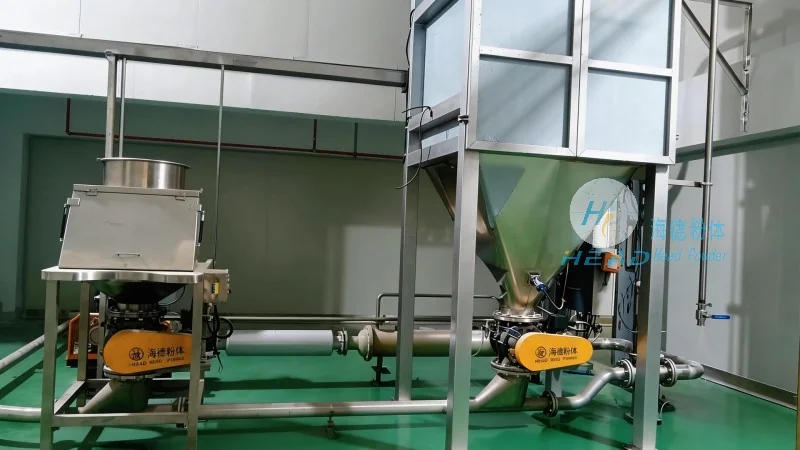
A soybean grain material handling system typically consists of several key components that work in tandem to achieve seamless material flow. The primary components include feeders, conveyors, storage silos, and processing equipment. Feeders are responsible for evenly distributing the soybean grain from the storage area to the conveyor system. Conveyors, often in the form of belt conveyors or screw conveyors, transport the soybeans through the processing facility. Storage silos are used to store large quantities of soybeans, providing a buffer for production and ensuring consistent supply. Processing equipment, such as cleaners and graders, may also be integrated into the system to enhance the quality of the soybean grain.
The Design Principles Behind Efficient Soybean Grain Handling
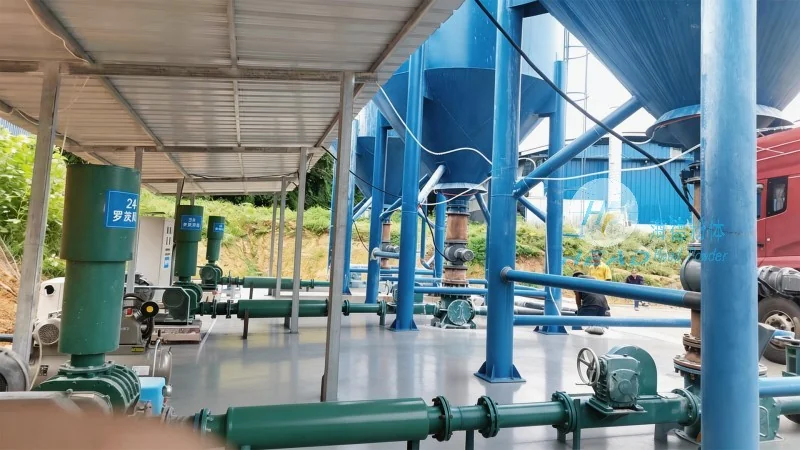
The design principles of a soybean grain material handling system focus on maximizing efficiency, minimizing downtime, and ensuring product integrity. One key principle is the use of gentle handling mechanisms to prevent damage to the soybean kernels. This is particularly important as soybeans are sensitive to mechanical stress, which can affect their quality and market value. Another principle is the integration of automation and control systems to monitor and adjust the flow of materials in real-time. This helps in maintaining consistent processing speeds and reducing human error. Additionally, the design considers the need for easy maintenance and cleaning, as soybean processing facilities require regular sanitation to prevent contamination.
Material Handling Solutions by Shandong HeadPowder Engineering Co., Ltd.
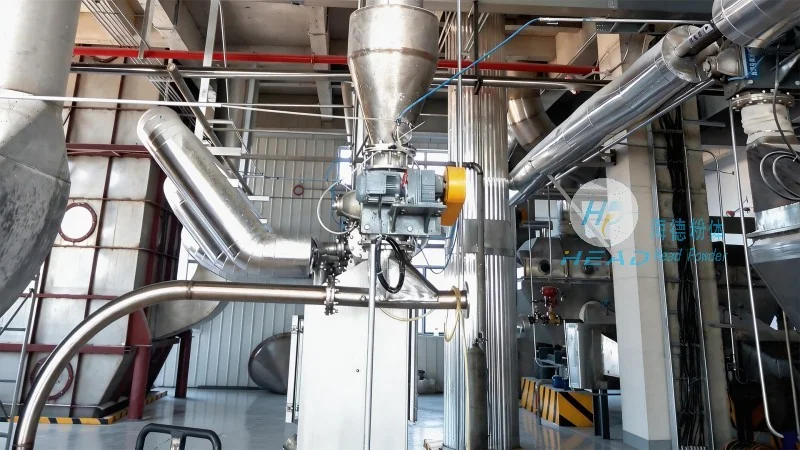
Shandong HeadPowder Engineering Co., Ltd., a leading provider of material handling solutions, specializes in designing and manufacturing customized soybean grain material handling systems. With years of experience in the industry, the company understands the unique challenges faced by soybean processing facilities. Their systems are engineered to meet the specific requirements of each client, ensuring optimal performance and reliability. The company’s approach involves a thorough analysis of the client's production needs, followed by the design of a tailored system that incorporates the latest technology and best practices. This ensures that the final product is not only efficient but also cost-effective and sustainable.
Key Features of a High-Performance Soybean Grain Material Handling System
A high-performance soybean grain material handling system offers several key features that enhance its functionality and reliability. One of the most important features is the use of durable and corrosion-resistant materials for the conveyor components. This is essential as soybean grains can be abrasive and may contain moisture, which can cause wear and tear on the equipment. Another feature is the integration of advanced sensors and monitoring systems that provide real-time data on the system's performance. This allows operators to quickly identify and address any issues, minimizing downtime. Additionally, the system may include features such as adjustable speed controls and variable feed rates, which allow for flexibility in processing different types of soybean grains. These features contribute to the overall efficiency and effectiveness of the material handling process.
Benefits of Implementing a Professional Soybean Grain Material Handling System
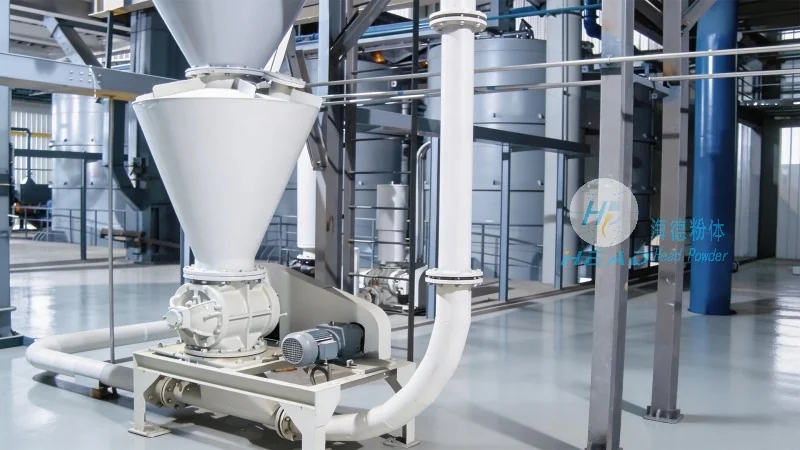
Implementing a professional soybean grain material handling system offers numerous benefits for businesses in the soybean processing industry. One of the primary benefits is improved operational efficiency, as the system allows for seamless and continuous material flow. This reduces the time and labor required for manual handling, leading to cost savings. Another benefit is enhanced product quality, as the system minimizes damage to the soybean kernels and ensures consistent processing. This can lead to higher market prices and increased customer satisfaction. Additionally, the system improves safety in the workplace by reducing the need for manual lifting and handling of heavy loads. This not only protects the workers but also reduces the risk of workplace accidents. Overall, a well-designed soybean grain material handling system is a critical investment for any soybean processing facility, providing long-term benefits and competitive advantages.




