Algae residue, a byproduct of various industrial and agricultural processes, often presents challenges in handling due to its granular nature and potential moisture content. The Algae Residue Pellet Material Handling System addresses these challenges by providing an efficient, reliable solution for transporting and managing this material. This article explores the fundamental aspects of such a system, focusing on its design principles and operational effectiveness.
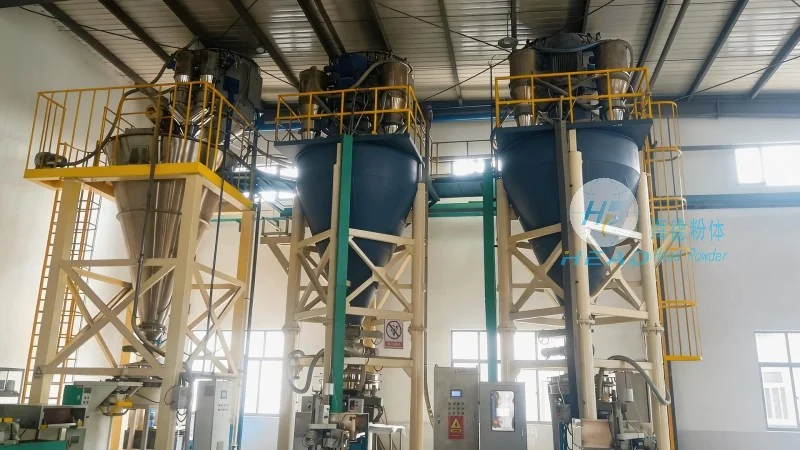
Introduction to Algae Residue Pellet Material Handling Systems
The Algae Residue Pellet Material Handling System is engineered to handle the transportation of pelletized algae residue, a material that is typically produced during the cultivation and processing of microalgae for biofuel, food, or other bioproduct applications. Pelletization is a critical step in processing as it reduces the volume of the residue, making it easier to store, transport, and dispose of. The system is designed to integrate seamlessly with existing industrial workflows, ensuring minimal disruption while enhancing overall operational efficiency.
Understanding the Core Components of the System
The system comprises several key components that work in tandem to achieve effective material handling. These include feed hoppers, conveyor mechanisms (such as screw conveyors or belt conveyors), control panels, and discharge systems. Each component is carefully selected based on the specific characteristics of the algae residue, including its particle size, moisture content, and bulk density. For instance, screw conveyors are often preferred for their ability to handle dry or slightly moist materials without causing blockages, while belt conveyors may be used for larger volumes or when the material requires gentle handling to prevent degradation.
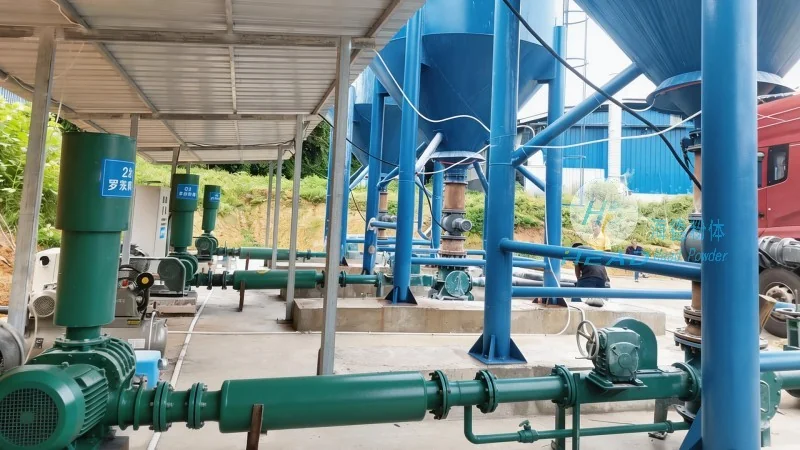
Design Principles Behind the Material Handling Process
The design of the Algae Residue Pellet Material Handling System is guided by several core principles aimed at optimizing performance and durability. One of the primary principles is the minimization of material degradation during transport. This is achieved through the use of smooth, non-abrasive surfaces in the conveyor components and the incorporation of gentle acceleration and deceleration mechanisms. Additionally, the system is designed to accommodate varying load conditions, ensuring consistent throughput even when the feed rate fluctuates. Another key principle is energy efficiency, with the system incorporating variable speed drives that adjust power consumption based on the load, reducing operational costs over time.
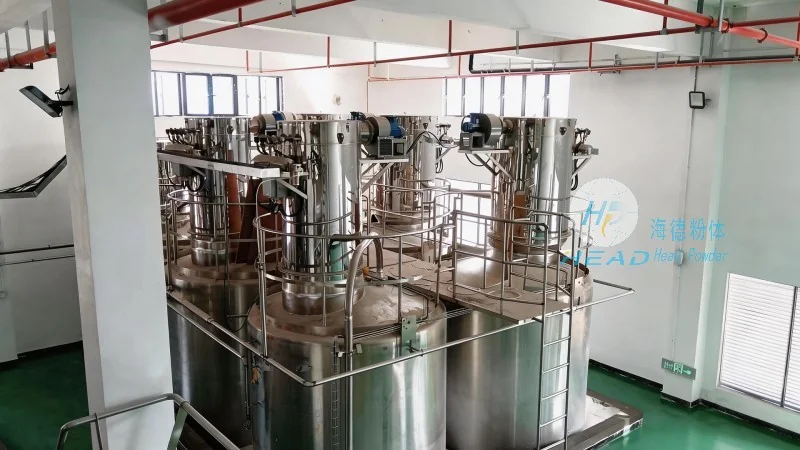
Key Features and Advantages of the System
Several features distinguish the Algae Residue Pellet Material Handling System from conventional handling solutions. One notable advantage is its adaptability to different pellet sizes and shapes, thanks to adjustable feed mechanisms and customizable conveyor sections. The system also offers enhanced safety features, including overload protection and emergency stop buttons, to prevent accidents and ensure compliance with industrial safety standards. Furthermore, the modular design allows for easy maintenance and upgrades, reducing downtime and extending the system's service life. These features collectively contribute to improved operational reliability and cost-effectiveness for users.
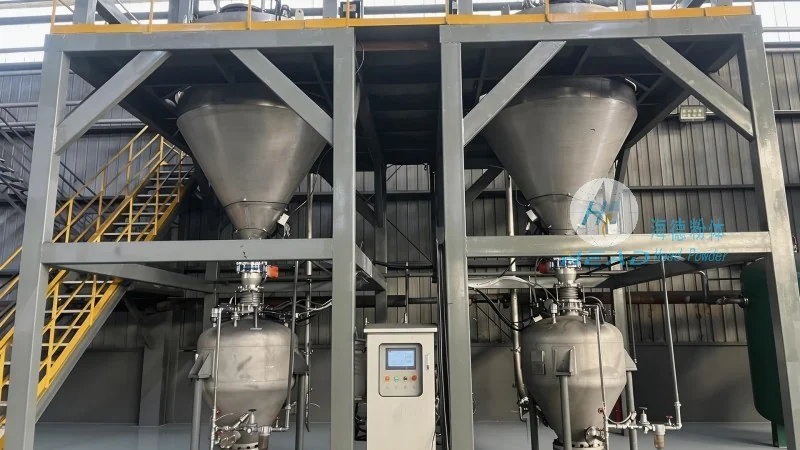
Application Scenarios and Industry Impact
The Algae Residue Pellet Material Handling System finds applications in various industries, particularly in the bioenergy and agricultural sectors. In bioenergy production, the system facilitates the efficient transport of algae residue from cultivation ponds to processing facilities, where it can be further converted into biofuels or other value-added products. In agricultural settings, it helps manage the residue from algae-based fertilizers or feed supplements, ensuring proper disposal or reuse. The system's ability to handle large volumes of material at a consistent rate makes it an essential component in modern algae processing operations, contributing to more sustainable and efficient resource management.
About the Company: Shandong HeadPowder Engineering Co., Ltd.
Shandong HeadPowder Engineering Co., Ltd., a leading manufacturer in the field of material handling solutions, specializes in designing and manufacturing systems tailored to the unique needs of industrial applications. With a focus on innovation and quality, the company has developed the Algae Residue Pellet Material Handling System to address the specific challenges faced by industries dealing with algae residue. HeadPowder's commitment to customer satisfaction and technological advancement ensures that their products meet the highest standards of performance and reliability. The company is headquartered in Shandong, China, and serves clients globally with expertise in material handling engineering.




