

[h3]Understanding Embolic Powder Pneumatic Conveying Equipment: An Overview</h3>
Embolic powder pneumatic conveying equipment is a specialized system engineered for the efficient transport of dry powders and granular materials through a pipeline using compressed air. This technology is widely utilized across various industries, including chemical, pharmaceutical, food, and cement, where the need for gentle handling, minimal product degradation, and precise control is paramount. The equipment operates by creating a "plug" or "embolism" of material within the pipeline, which is then propelled forward by the force of the compressed air. This method ensures that the material is conveyed without direct contact with the pipeline walls, reducing friction and preventing material degradation.
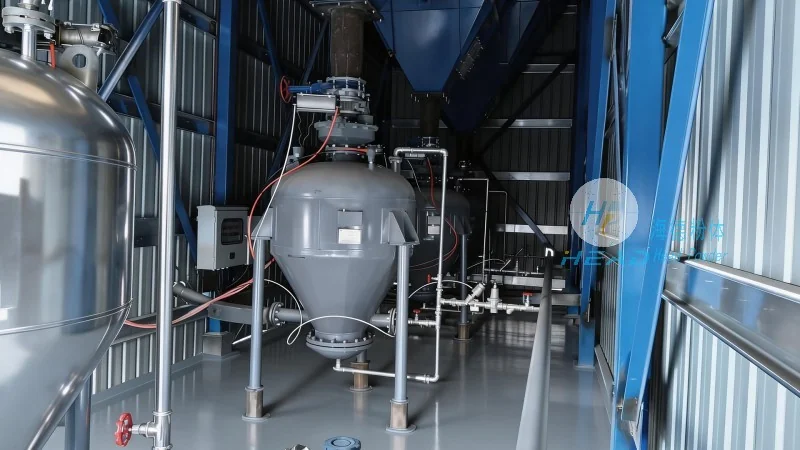
Key Design Principles of Embolic Powder Pneumatic Conveying Systems
The design of an embolic powder pneumatic conveying system involves several critical principles that ensure optimal performance and reliability. The first principle is the creation of a stable, dense plug of material. This is achieved by controlling the flow rate of the material from the feeder and the pressure of the compressed air supplied to the pipeline. The plug must be dense enough to maintain its integrity during transport but not so dense that it causes excessive pressure drop or blockages. The second principle is the selection of appropriate pipeline dimensions. The diameter of the pipeline is a key factor, as it must be large enough to accommodate the plug without causing friction or degradation. The length of the pipeline is also optimized to minimize energy consumption and maintain the plug's stability. The third principle involves the integration of advanced control systems. These systems include pressure sensors, flow meters, and automated valves that allow for real-time monitoring and adjustment of the conveying process. Additionally, the system may incorporate features such as in-line mixers or classifiers to enhance the handling of diverse material types, ensuring consistent performance.
Components and Working Mechanism
Embolic powder pneumatic conveying equipment typically consists of several essential components that work in harmony to achieve efficient material transport. The primary components include a material hopper for storage, a controlled feeder (such as a rotary valve or screw feeder) to regulate the flow rate, a pipeline system for conveying the material, and a receiving hopper or tank for the discharged material. The working mechanism begins with the material being discharged from the hopper into the feeder. The feeder then controls the flow rate, ensuring a consistent stream of material enters the pipeline. Compressed air is then introduced into the pipeline, creating a pressure differential that propels the material forward as a plug. The plug travels through the pipeline until it reaches the receiving hopper, where the material is discharged. The system may also include auxiliary components such as a venturi or a pressure reducer to regulate air flow and maintain the plug's stability. The entire process is designed to minimize material degradation and ensure precise control over the conveying operation.
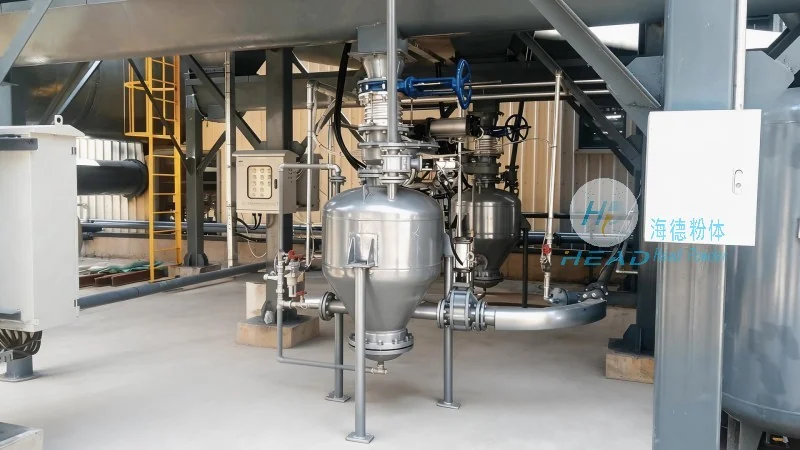
Advantages of Embolic Powder Pneumatic Conveying
There are several advantages of using embolic powder pneumatic conveying equipment. One of the main advantages is the gentle handling of the material, which minimizes degradation and preserves the quality of the product. This is particularly important for sensitive materials such as pharmaceuticals or food products. Another advantage is the ability to convey materials over long distances without the need for intermediate storage or transfer points. The system also offers high flexibility, as it can be easily adapted to different material types and process requirements. Additionally, the equipment is relatively simple in design, which reduces maintenance costs and increases reliability. Furthermore, the system can handle a wide range of material densities and flow rates, making it suitable for various industrial applications.
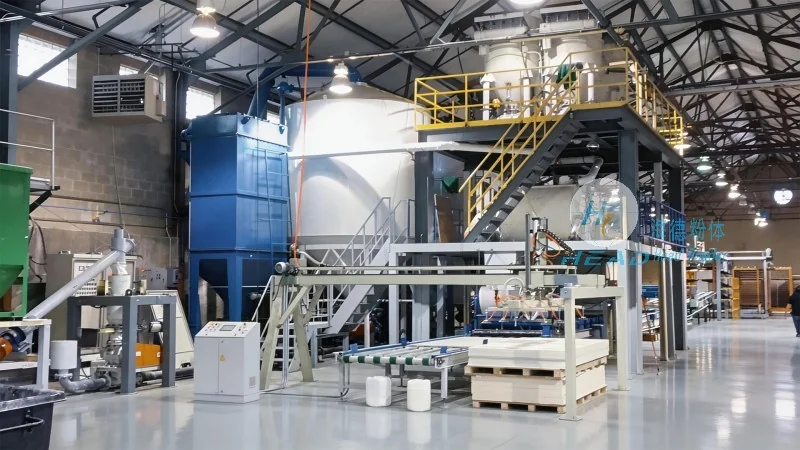
Applications in Different Industries
Embolic powder pneumatic conveying equipment is used in a wide range of industries. In the chemical industry, it is used to transport raw materials and finished products. In the pharmaceutical industry, it is used to convey active pharmaceutical ingredients (APIs) and excipients. In the food industry, it is used to transport ingredients such as flour, sugar, and spices. In the cement industry, it is used to transport raw materials and finished cement products. The equipment is also used in the mining industry to transport ore and other materials from the mine to the processing plant. Each application leverages the equipment's ability to handle delicate materials while maintaining efficiency and control.
About Shandong HeadPowder Engineering Co., Ltd.
Shandong HeadPowder Engineering Co., Ltd., commonly known as HeadPowder, is a leading manufacturer of embolic powder pneumatic conveying equipment. The company, headquartered in Shandong, China, has been in business for over 20 years and has established itself as a trusted provider of high-quality conveying solutions. HeadPowder's products are designed and manufactured using advanced technology and premium materials to ensure durability, efficiency, and reliability. The company offers a comprehensive range of services, including custom design, production, installation, and after-sales support. HeadPowder's team of experienced engineers and technicians are dedicated to delivering innovative solutions that meet the specific needs of clients across various industries. With a strong commitment to quality and customer satisfaction, HeadPowder has built a reputation for excellence in the field of powder handling technology. The company's headquarters in Shandong, China, supports its global presence and ability to serve clients worldwide with tailored solutions.