

What is Pneumatic Conveying of Denitration Urea Material? And What Are Its Design Principles?
Denitration urea, a vital component in flue gas treatment processes for power plants and industrial facilities, requires efficient material handling solutions for its transport from storage to processing units. Pneumatic conveying technology offers a reliable and effective method for handling this granular material, especially when considering the need for dust control, minimal material degradation, and system scalability. This article explores the fundamentals of pneumatic conveying for denitration urea material and delves into the key design principles that ensure optimal performance and operational efficiency.
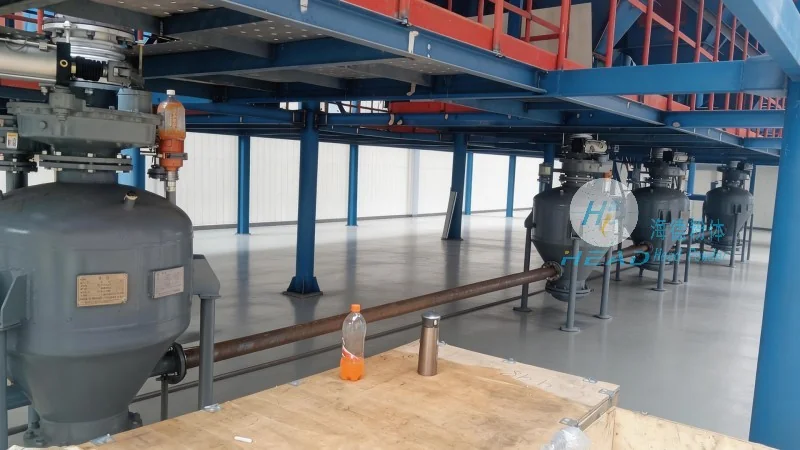
Understanding Pneumatic Conveying Systems for Denitration Urea
Pneumatic conveying involves the use of air or other gases to transport bulk materials like denitration urea through a pipeline system. Unlike mechanical conveying methods, which rely on belts, buckets, or screws, pneumatic systems utilize pressure differentials to move material. This approach is particularly advantageous for denitration urea due to its fine particle size, flow characteristics, and the need to maintain material integrity during transport.
Key Components of a Pneumatic Conveying System
At the core of any pneumatic conveying system for denitration urea are several critical components that work in unison to ensure smooth material transport. These include:
1. Feeder: The feeder is responsible for accurately metering the denitration urea material into the conveying line. For urea, which can be prone to bridging or agglomeration, a suitable feeder such as a rotary valve or a screw feeder is essential to maintain consistent flow rates and prevent blockages.
2. Conveying Line: The pipeline system, typically made of stainless steel or other corrosion-resistant materials, is designed to withstand the chemical properties of urea and the pressure differentials required for transport. The line may include bends, elbows, and expansion joints to accommodate changes in direction and pressure, minimizing pressure losses.
3. Blower or Fan: The air-moving device generates the necessary pressure or vacuum to propel the urea particles through the line. For positive-pressure systems, a high-pressure blower is used, while negative-pressure systems rely on a vacuum fan. The choice of equipment depends on the system's capacity, the distance over which material needs to be conveyed, and the desired air velocity.
4. Receiver: The receiving hopper or silo collects the urea at the destination point. It is designed to prevent material buildup and ensure a smooth discharge into the next processing stage. The receiver may include a discharge valve or a rotary valve to control the outflow and maintain consistent pressure.
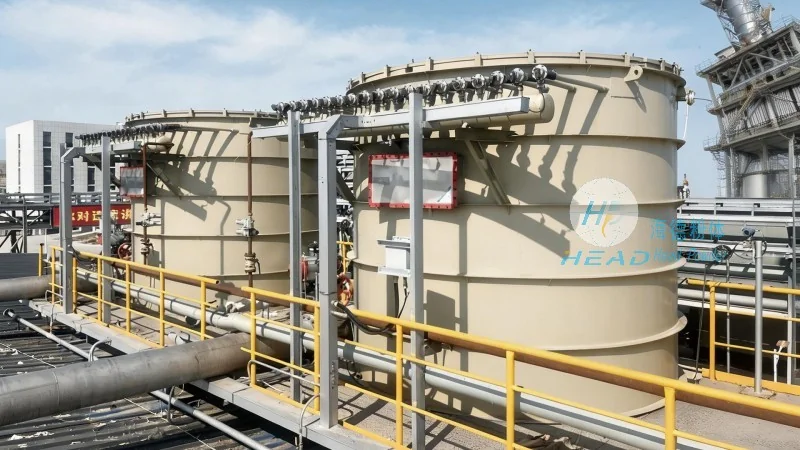
5. Control System: A sophisticated control system monitors and regulates the operation of the feeder, blower, and other components. This system ensures that the conveying process operates within safe and efficient parameters, adjusting flow rates and pressure as needed to maintain optimal performance.
Design Principles for Efficient Denitration Urea Pneumatic Conveying
The design of a pneumatic conveying system for denitration urea must consider several factors to achieve optimal performance, including material properties, system capacity, and operational efficiency. Key design principles include:
1. Material Characterization: Understanding the physical and chemical properties of denitration urea is fundamental to system design. This includes particle size distribution, bulk density, flowability, and abrasiveness. Accurate characterization helps in selecting the appropriate feeder type, pipeline diameter, and air velocity to prevent blockages and ensure consistent transport.
2. Air Velocity and Pressure: The air velocity within the conveying line is a critical parameter that determines the system's capacity and efficiency. For denitration urea, a typical air velocity ranges from 20 to 30 meters per second in positive-pressure systems. The pressure differential required depends on the system's length and the number of bends or fittings, which can cause pressure losses. Engineers must balance air velocity with energy consumption to achieve an optimal design.
3. Pipeline Sizing: The diameter of the conveying line is determined based on the required material flow rate and air velocity. Larger diameters reduce pressure losses and improve system efficiency but increase capital costs. Engineers must balance these factors to achieve an optimal design that minimizes energy consumption while maintaining the desired throughput.
4. System Configuration: The choice between positive-pressure and negative-pressure systems depends on the application and the distance over which material needs to be conveyed. Positive-pressure systems are generally more suitable for short to medium distances and are commonly used in industrial settings. Negative-pressure systems are preferred for longer distances or when handling materials that are sensitive to contamination from the environment.
5. Material Handling and Dust Control: Denitration urea is a fine, powdery material that can generate dust during transport. Proper design includes dust collection systems, such as cyclones or bag filters, to capture and recycle the material while maintaining air quality. The system must also incorporate features to prevent material buildup and ensure smooth flow, such as anti-bridging devices and vibration systems.
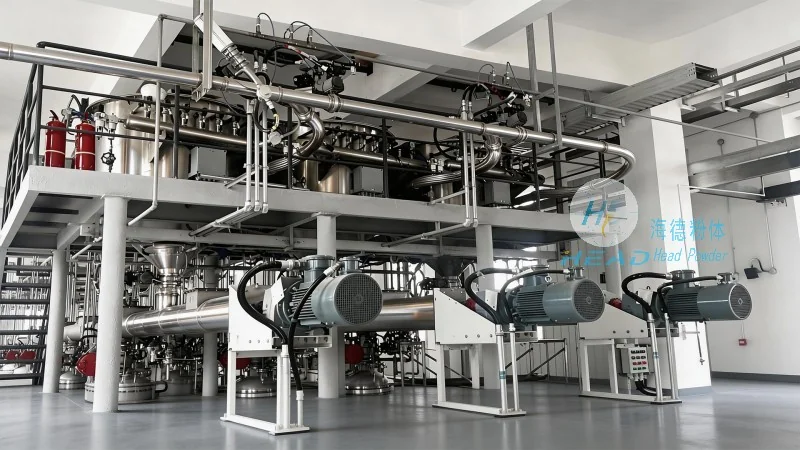
Benefits of Pneumatic Conveying for Denitration Urea
Implementing a well-designed pneumatic conveying system for denitration urea offers several advantages over traditional mechanical conveying methods. These benefits include:
1. Reduced Labor and Maintenance: Pneumatic systems require less manual handling and have fewer moving parts compared to mechanical conveyors, leading to lower labor costs and reduced maintenance requirements.
2. Improved Material Quality: By minimizing material contact with equipment and reducing the risk of contamination, pneumatic conveying helps maintain the purity and quality of denitration urea, which is critical for downstream processes like flue gas treatment.
3. Energy Efficiency: Modern pneumatic conveying systems are designed to optimize energy use, with variable-speed drives and efficient blower systems reducing operational costs and environmental impact.
4. Flexibility and Scalability: Pneumatic systems can be easily expanded or reconfigured to accommodate changes in production volume or process requirements, making them suitable for growing industrial applications and future expansion.
Conclusion
Pneumatic conveying of denitration urea material is a sophisticated and efficient method for handling this critical industrial component. By adhering to key design principles, including accurate material characterization, appropriate air velocity and pressure, and robust system configuration, engineers can develop systems that deliver reliable performance, long-term operational benefits, and cost savings. Companies like Shandong HeadPowder Engineering Co., Ltd., based in China, specialize in designing and implementing such systems, leveraging their expertise in material handling technology to meet the specific needs of industrial clients and ensure optimal performance in flue gas treatment applications.