

What is the Pneumatic Conveying of Artificial Graphite Materials? What are the Design Principles?
Artificial graphite materials are widely used in various industrial applications due to their unique properties such as high thermal conductivity, electrical conductivity, and chemical resistance. When it comes to transporting these materials, pneumatic conveying systems offer an efficient and reliable solution. This article aims to explore the concept of pneumatic conveying for artificial graphite materials and delve into the fundamental design principles that ensure optimal performance.
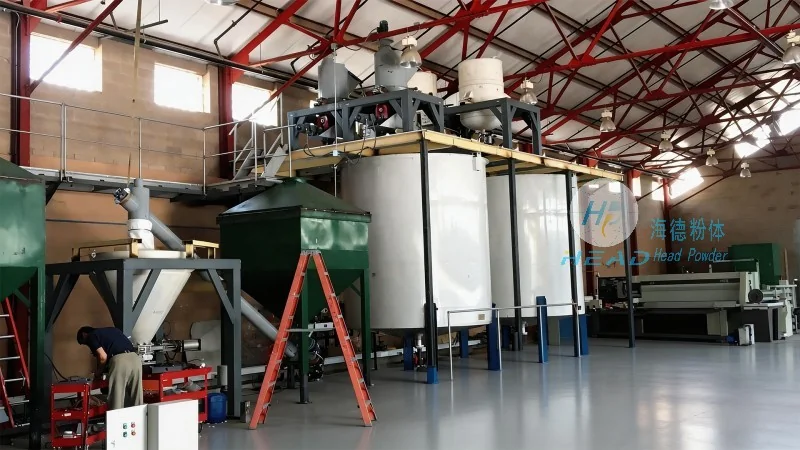
Understanding Pneumatic Conveying Systems
Pneumatic conveying involves the transport of bulk materials through a pipeline using a gas stream, typically air or other gases. The system consists of several key components including a feeder, a conveying line, a separator, and a receiver. For artificial graphite materials, which are often fine powders or granules, the design of each component must be carefully considered to prevent issues like blockages, dust emissions, and material degradation.
Key Design Principles for Artificial Graphite Pneumatic Conveying
The design of a pneumatic conveying system for artificial graphite materials requires a thorough understanding of the material's characteristics. Factors such as particle size, density, moisture content, and flowability play a crucial role in determining the most suitable conveying method. For example, low-pressure systems are commonly used for short-distance transport of fine powders, while high-pressure systems are preferred for longer distances or when handling larger particles.
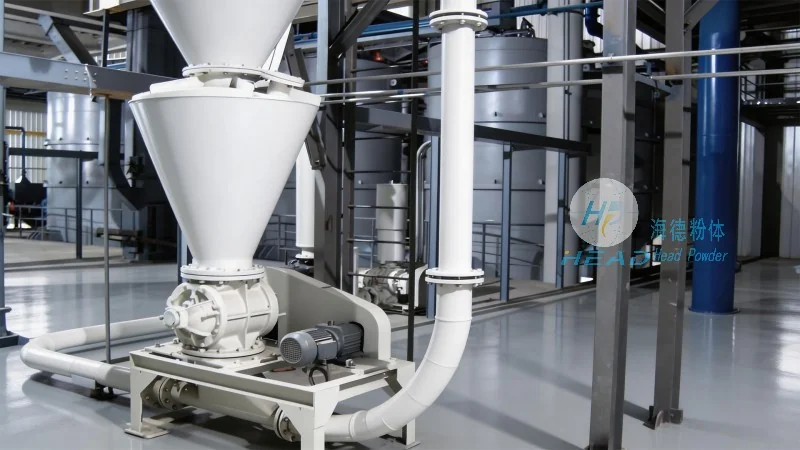
Another critical design principle is the selection of appropriate equipment. The feeder, which introduces the material into the conveying line, must be capable of maintaining a consistent flow rate to avoid fluctuations that could lead to system inefficiencies. The conveying line itself should be designed with smooth, corrosion-resistant materials to prevent material buildup and ensure long-term durability. Additionally, the separator, which separates the conveying air from the material, is essential for maintaining air quality and preventing dust contamination in the surrounding environment.
Company Overview: Shandong HeadPowder Engineering Co., Ltd.
HeadPowder, a leading provider of engineering solutions for material handling, specializes in the design and implementation of pneumatic conveying systems tailored to the unique needs of artificial graphite materials. With years of experience in the industry, the company has developed a deep understanding of the challenges associated with transporting these materials and has successfully delivered numerous projects across various sectors.
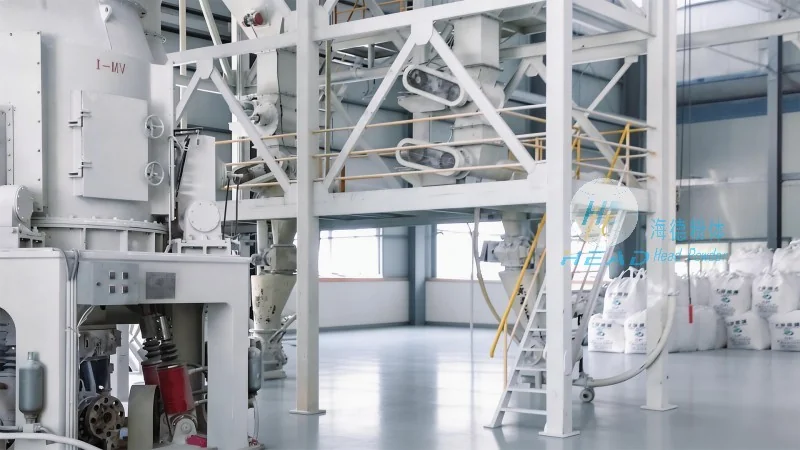
HeadPowder's expertise lies in customizing pneumatic conveying systems to meet specific operational requirements. The company's team of engineers works closely with clients to assess their material characteristics, transport distances, and production capacities, ensuring that the final system is both efficient and cost-effective. By leveraging advanced technology and rigorous testing protocols, HeadPowder guarantees the reliability and longevity of its conveying solutions.
Conclusion
Pneumatic conveying of artificial graphite materials is a complex process that requires careful consideration of design principles and material characteristics. By understanding the fundamental aspects of pneumatic conveying and partnering with experienced engineering firms like Shandong HeadPowder Engineering Co., Ltd., industries can achieve efficient and reliable material transport. The key to success lies in selecting the appropriate system components, optimizing flow rates, and maintaining proper system maintenance to ensure consistent performance over time.