

What is the Pneumatic Conveying of Sodium Hexafluorophosphate? What are the Design Principles?
Understanding the pneumatic conveying of sodium hexafluorophosphate is crucial for industries dealing with this specialized chemical. As a key component in various applications, including pharmaceuticals and electronics, efficient material handling is essential. This article delves into the fundamental aspects of pneumatic conveying systems for sodium hexafluorophosphate, alongside the core design principles that ensure optimal performance and safety.
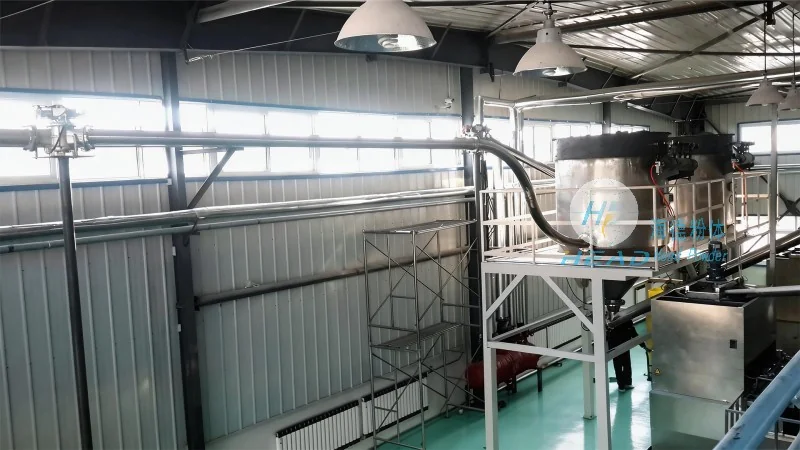
Introduction to Sodium Hexafluorophosphate and Pneumatic Conveying
Sodium hexafluorophosphate (SHFP) is a white crystalline powder widely used in the production of lithium-ion batteries, pharmaceuticals, and other high-tech industries. Its handling requires careful consideration due to its chemical properties and potential hazards. Pneumatic conveying offers a non-contact, dust-free method to transport such materials, making it a preferred choice for many manufacturers. The process involves using compressed air to move the powder through a pipeline, eliminating the need for mechanical components that could cause contamination or damage to the material.
Key Design Principles for Sodium Hexafluorophosphate Pneumatic Conveying Systems
The design of a pneumatic conveying system for sodium hexafluorophosphate must address several critical factors to ensure reliability and efficiency. First, the system must be capable of handling the specific flow characteristics of the powder. This includes considering the material's density, particle size distribution, and moisture content, as these variables affect the air velocity and pressure required for effective transport. A well-designed system will incorporate appropriate air flow rates and pressure levels to maintain a consistent and stable conveying process.
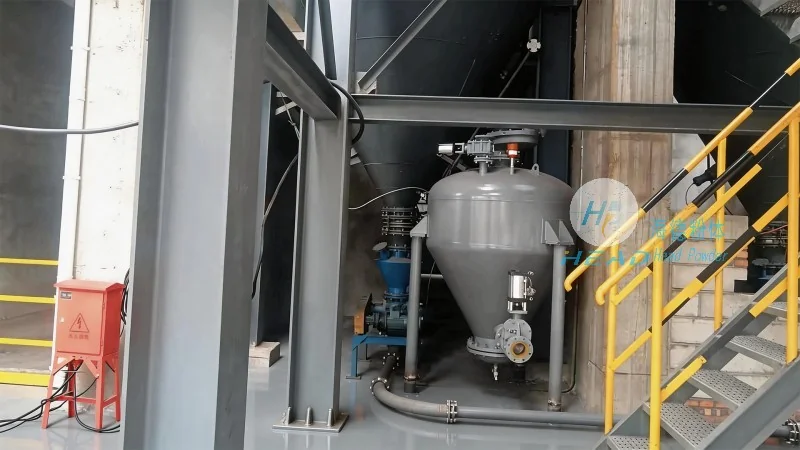
Second, the system must prioritize safety and compliance with industrial standards. Sodium hexafluorophosphate is a hazardous material, and the conveying system must be equipped with features such as explosion-proof components, dust collection systems, and emergency shut-off valves. These measures help prevent accidents and ensure the safety of personnel and the environment. Additionally, the system should be designed to minimize product degradation, as the material is sensitive to moisture and temperature changes. Proper insulation and temperature control are essential to maintain the quality of the sodium hexafluorophosphate during transport.
Third, the system's scalability and adaptability are important considerations. As production volumes change, the conveying system must be able to adjust accordingly. This may involve modular components that can be added or removed to accommodate varying throughput. The design should also allow for easy maintenance and cleaning, as the powder can be abrasive and may leave residue in the system. Regular maintenance is crucial to prevent clogging and ensure long-term operation.
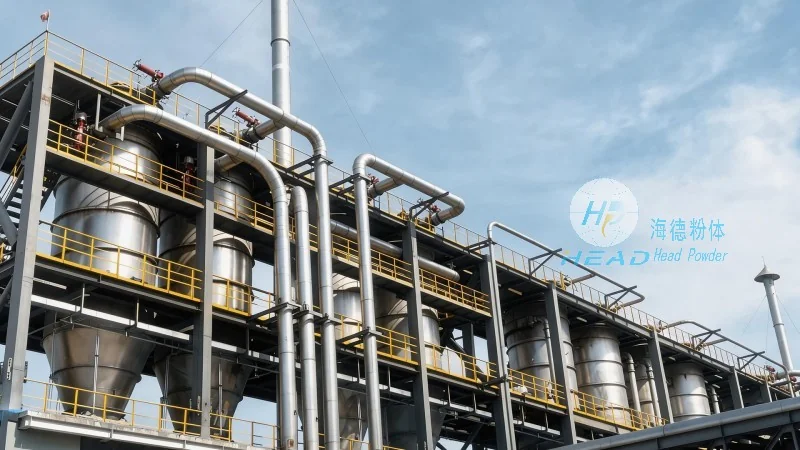
Components and Technology in Pneumatic Conveying Systems
A typical pneumatic conveying system for sodium hexafluorophosphate consists of several key components. The primary elements include a hopper or feeder to introduce the material into the system, a compressor to generate the necessary air pressure, a pipeline network to transport the material, and a receiver or discharge unit to collect the material at the destination. The choice of components depends on the specific application and the characteristics of the sodium hexafluorophosphate being conveyed.
Modern systems often incorporate advanced technologies to enhance performance. For example, some systems use positive displacement blowers or rotary lobe compressors to provide consistent air flow. These technologies offer better control over pressure and flow rates, which is critical for handling sensitive materials like sodium hexafluorophosphate. Additionally, some systems employ pulse-jet or rotary valve technologies to improve material flow and reduce the risk of clogging. These innovations help maintain the efficiency and reliability of the conveying process.
Applications and Benefits of Pneumatic Conveying for Sodium Hexafluorophosphate
The use of pneumatic conveying for sodium hexafluorophosphate offers several advantages over traditional methods. One of the main benefits is the ability to transport the material in a dust-free environment, which reduces the risk of contamination and improves product quality. This is particularly important in industries where purity is critical, such as pharmaceuticals and electronics manufacturing. Additionally, pneumatic conveying systems can handle high volumes of material with minimal labor, making them cost-effective for large-scale operations.
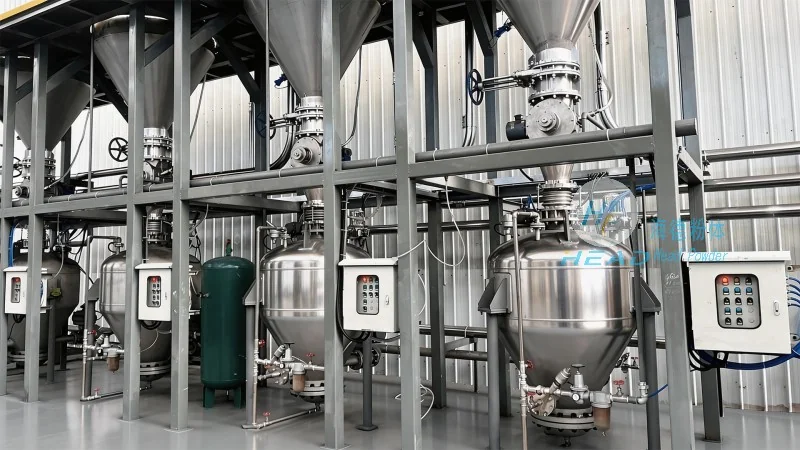
Another benefit is the flexibility of the system. Pneumatic conveying can be used for both short and long-distance transport, and the system can be easily integrated with other processing equipment. This allows for seamless material flow from storage to processing, reducing downtime and improving overall productivity. The system also provides better control over the material's temperature and moisture content, which helps maintain its properties during transport.
Conclusion and Company Overview
In conclusion, the pneumatic conveying of sodium hexafluorophosphate is a sophisticated process that requires careful design and implementation. The key principles of efficient material handling, safety, and scalability are essential to ensure the success of such systems. As a leading provider in the field, Shandong HeadPowder Engineering Co., Ltd. specializes in designing and manufacturing pneumatic conveying systems tailored to the unique needs of sodium hexafluorophosphate applications. With years of experience and a commitment to quality, HeadPowder offers reliable solutions that meet the highest industrial standards. Based in Shandong, China, the company leverages advanced technology and expert knowledge to deliver innovative and effective pneumatic conveying solutions for its clients.