

[Limestone Powder Material Pneumatic Conveying Equipment: Exploring Its Function and Design Principl
HeadPowder, a leading manufacturer based in Shandong, China, specializes in providing advanced pneumatic conveying solutions for various industrial applications. This article delves into the concept of limestone powder material pneumatic conveying equipment, explaining its core functions and the underlying design principles that ensure efficient and reliable material transport.
Understanding Limestone Powder Material Pneumatic Conveying Equipment
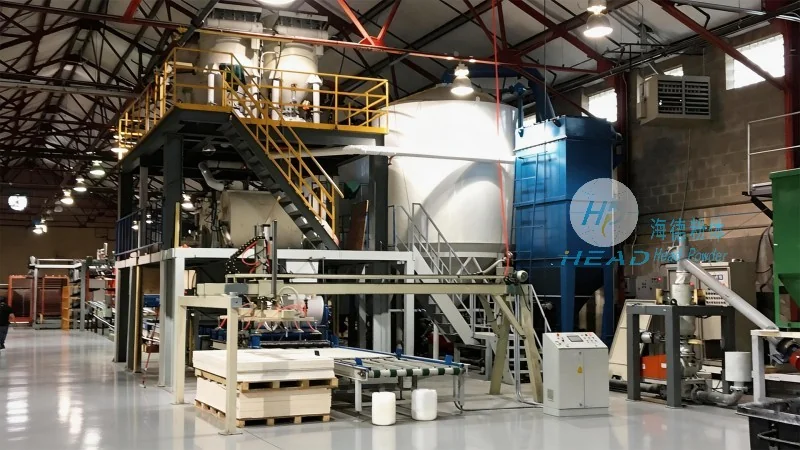
Limestone powder, a common industrial material used in construction, manufacturing, and environmental applications, often requires specialized handling due to its fine particle size and potential for dust generation. Pneumatic conveying equipment offers an effective solution by using air to transport these powders through a system of pipes and components. The primary goal of such equipment is to move limestone powder from one location to another with minimal loss, contamination, and operational complexity.
Key Components and Working Principle
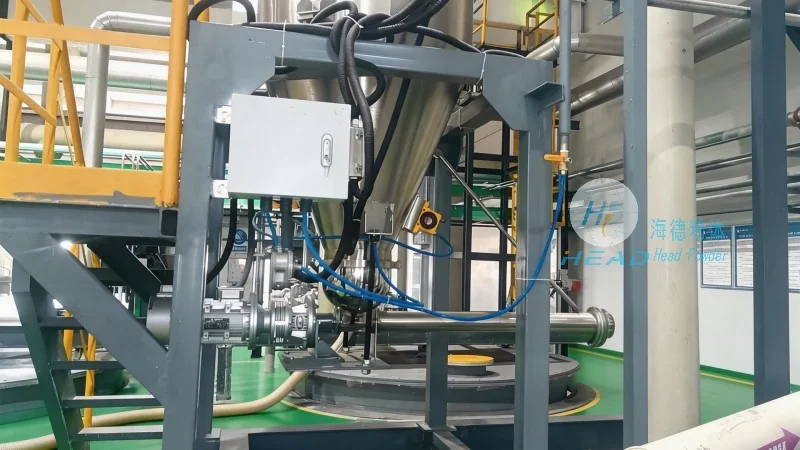
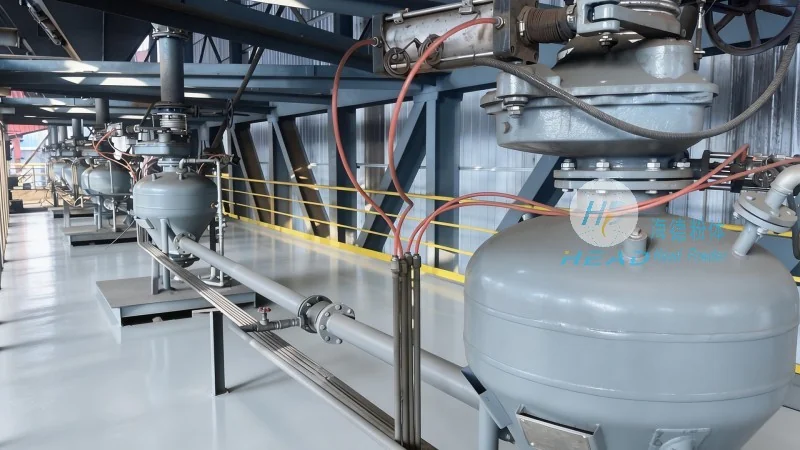
The design of limestone powder pneumatic conveying equipment typically involves several critical components that work in concert to achieve efficient material transport. These components include a feeding system, a conveying line (often equipped with pressure or vacuum systems), and a discharge mechanism. The feeding system ensures that the limestone powder is introduced into the system at a controlled rate, preventing blockages and maintaining consistent flow. The conveying line, which may be pressurized or vacuum-based, uses compressed air or suction to move the powder particles through the pipes. The discharge mechanism then delivers the material to its final destination, such as a storage silo or processing unit.
Design Principles for Efficient Limestone Powder Transport
Effective design of pneumatic conveying systems for limestone powder hinges on several key principles aimed at optimizing performance and minimizing operational issues. First, the system must be designed to handle the specific characteristics of limestone powder, including its particle size distribution, density, and flowability. Proper sizing of the conveying line and components is crucial to prevent excessive pressure drops or particle segregation. Second, the choice between pressure and vacuum systems depends on the application requirements and the distance the material needs to be transported. Pressure systems are generally more suitable for short to medium distances and high-volume transport, while vacuum systems are ideal for longer distances or when the material needs to be collected from multiple sources.
Advantages of Using Pneumatic Conveying for Limestone Powder
Implementing pneumatic conveying equipment for limestone powder offers numerous advantages over traditional methods like bucket elevators or belt conveyors. One of the most significant benefits is the ability to transport materials in a closed system, which reduces dust emissions and improves workplace safety. This is particularly important for limestone powder, which can be a respiratory hazard if inhaled. Additionally, pneumatic conveying systems can handle a wide range of particle sizes and moisture content, making them versatile for various industrial processes. The closed system also helps maintain product purity, preventing contamination from external sources. Furthermore, these systems are generally more energy-efficient compared to mechanical conveyors, as they eliminate the need for moving parts that can cause friction and energy loss.
Applications and Industries Benefiting from Limestone Powder Pneumatic Conveying
Limestone powder pneumatic conveying equipment is widely used across multiple industries due to its adaptability and efficiency. In the construction industry, it is commonly employed to transport limestone for cement production, where fine powder is essential for achieving the desired consistency and strength of the final product. The manufacturing sector also utilizes these systems for processing limestone in the production of plastics, paints, and other chemical products. Environmental applications, such as in water treatment facilities, benefit from the ability to transport limestone powder for pH adjustment and filtration processes. The versatility of pneumatic conveying makes it suitable for any application where fine powders need to be moved safely and efficiently.
Conclusion and Company Overview
As a leading manufacturer based in Shandong, China, HeadPowder Engineering Co., Ltd. is committed to providing high-quality pneumatic conveying solutions tailored to the specific needs of limestone powder applications. By adhering to robust design principles and leveraging advanced technology, their equipment ensures reliable, efficient, and safe material transport. The company’s expertise in the field, combined with its commitment to customer satisfaction, makes it a trusted partner for industries relying on limestone powder processing. With a focus on innovation and performance, HeadPowder continues to advance the capabilities of pneumatic conveying systems, meeting the evolving demands of modern industrial applications.