

What is a Phosphorus Pentachloride Material Pneumatic Conveying Line? What Are Its Design Principles
Phosphorus pentachloride (PCl₅) is a highly reactive and corrosive chemical compound widely used in the chemical industry for various applications, including the production of pesticides, pharmaceuticals, and other specialty chemicals. The safe and efficient transportation of PCl₅ is a critical challenge due to its hazardous nature and the need to maintain precise control over its handling process. Pneumatic conveying lines have emerged as a reliable solution for moving PCl₅ from storage to processing units, offering advantages such as minimal material loss, reduced exposure to personnel, and the ability to handle the compound in a closed system.
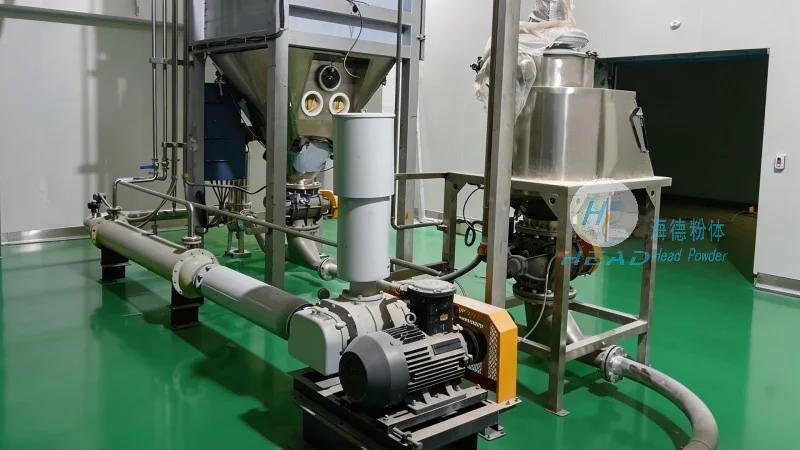
Understanding Pneumatic Conveying for Phosphorus Pentachloride
A pneumatic conveying line is a system designed to transport bulk materials, including powders and granules, using compressed air or other gases. In the case of PCl₅, this system is specifically engineered to address the unique challenges posed by the chemical's reactivity and corrosive properties. The line typically consists of several key components, including a hopper for material storage, a rotary valve for controlled discharge, a conveyor pipeline, a dust collector or filter system, and a control panel for monitoring and regulating the process. Each component is carefully selected and integrated to ensure the safe and efficient movement of PCl₅ while minimizing the risk of leaks or contamination.
Design Principles of a Phosphorus Pentachloride Pneumatic Conveying Line
The design of a PCl₅ pneumatic conveying line is governed by several fundamental principles aimed at ensuring safety, efficiency, and compliance with industry standards. First, the system must be constructed from materials that are resistant to corrosion and chemical attack, such as stainless steel or specialized alloys, to prevent degradation over time. Second, the pipeline design must minimize pressure drops and ensure consistent flow rates, which is critical for maintaining the stability of the PCl₅ powder and preventing agglomeration or caking. Third, the system incorporates safety features like explosion-proof motors, pressure relief valves, and emergency shut-off mechanisms to protect personnel and equipment from potential hazards. Additionally, the design emphasizes the use of closed-loop systems to contain the PCl₅ within the pipeline, reducing the risk of environmental contamination and ensuring regulatory compliance.
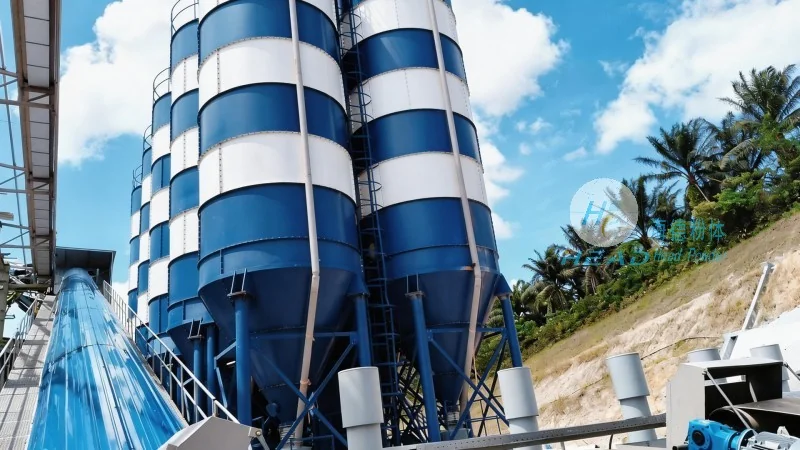
Key Components and Their Function in the Conveying Process
The effectiveness of a PCl₅ pneumatic conveying line depends on the proper functioning of its core components. The hopper, typically made of corrosion-resistant material, serves as the primary storage vessel for the PCl₅, ensuring a consistent supply of material to the system. The rotary valve, located at the bottom of the hopper, controls the flow rate of the material into the conveyor pipeline, preventing overfilling and maintaining a steady feed. The conveyor pipeline, often constructed from flexible or rigid tubing depending on the application, transports the PCl₅ through the system using compressed air. The air flow is carefully regulated to achieve the desired velocity, which is crucial for preventing material degradation and ensuring efficient transport. The dust collector or filter system is integrated into the line to capture any airborne particles and prevent their release into the environment. Finally, the control panel allows operators to monitor key parameters such as pressure, flow rate, and temperature, enabling real-time adjustments to maintain optimal performance.
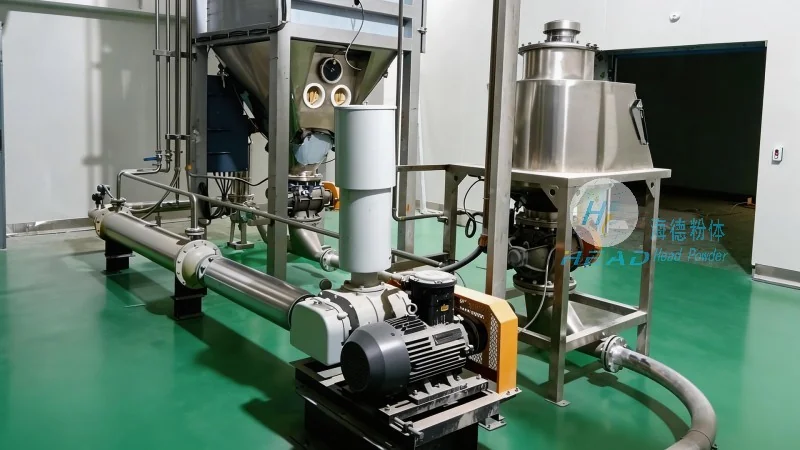
HeadPowder Engineering: Expertise in PCl₅ Pneumatic Conveying Solutions
Shandong HeadPowder Engineering Co., Ltd., a leading provider of industrial engineering solutions, specializes in designing and manufacturing customized pneumatic conveying systems for hazardous materials like phosphorus pentachloride. With years of experience in the chemical industry, HeadPowder has developed a deep understanding of the unique challenges associated with handling PCl₅ and has developed advanced solutions to address them. The company's team of engineers and technicians work closely with clients to assess their specific needs, from material properties and processing requirements to safety regulations and operational constraints. By leveraging cutting-edge technology and adherence to international standards, HeadPowder ensures that its PCl₅ pneumatic conveying lines are not only efficient and reliable but also safe and compliant. The company's commitment to quality and customer satisfaction has made it a trusted partner for businesses operating in the chemical sector, providing them with the tools they need to handle PCl₅ with confidence and precision.
Conclusion: The Importance of Proper Design and Implementation
In conclusion, a phosphorus pentachloride material pneumatic conveying line is a sophisticated system designed to safely and efficiently transport this hazardous chemical. The design principles, components, and engineering expertise involved in creating such a system are critical to ensuring its effectiveness and compliance with industry standards. By understanding the unique challenges of handling PCl₅ and implementing a well-designed pneumatic conveying line, companies can improve operational efficiency, reduce risks, and maintain a safe working environment. As a leader in the field, Shandong HeadPowder Engineering Co., Ltd. continues to provide innovative solutions that meet the evolving needs of the chemical industry, helping businesses achieve their goals while prioritizing safety and reliability.