

Working Principle and Characteristics of Pneumatic Dust Removal Systems
For industrial applications requiring efficient dust and particulate matter removal, pneumatic dust removal systems offer a reliable solution. These systems utilize air pressure to transport and capture airborne contaminants, ensuring compliance with environmental regulations and maintaining air quality in work environments. The following sections will explore the fundamental working principle and key characteristics of such systems, highlighting their effectiveness and adaptability in various industrial settings.
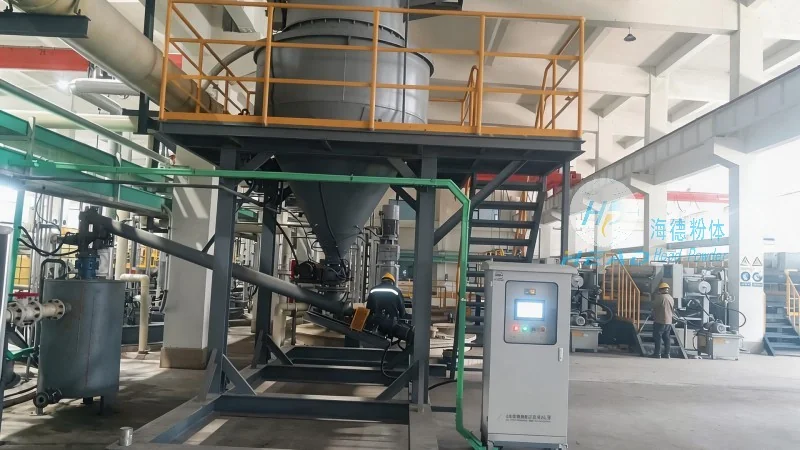
Working Principle of Pneumatic Dust Removal Systems
The core mechanism of a pneumatic dust removal system involves the use of compressed air to create a flow that draws dust-laden air into the collection point. The system typically consists of several components, including a dust collector, air ducts, and a fan or blower. When the system is activated, the fan generates a negative pressure (suction) that pulls air from the source area, such as a production line or workshop, through the ductwork. As the air passes through the dust collector, particulate matter is separated from the air stream through mechanisms like filtration, cyclonic separation, or electrostatic precipitation. The cleaned air is then discharged back into the environment, while the collected dust is stored in a hopper or container for disposal.
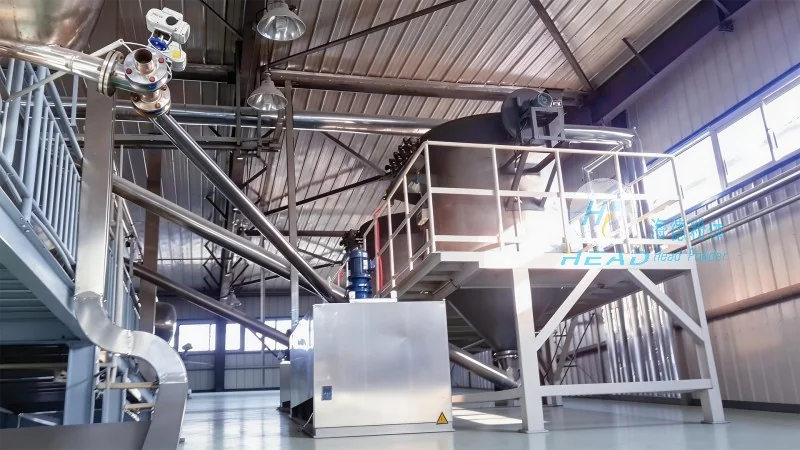
Key Characteristics of Pneumatic Dust Removal Systems
Pneumatic dust removal systems are distinguished by several advantageous characteristics that make them suitable for diverse industrial applications. One of the primary features is their ability to handle a wide range of particle sizes and concentrations, from fine powders to larger debris. The systems are also designed for high efficiency, with filtration or separation technologies that can capture particles as small as microns, ensuring minimal air pollution. Additionally, these systems are often compact and modular, allowing for easy installation and integration into existing industrial setups. They are energy-efficient compared to traditional mechanical systems, as they rely on air pressure rather than heavy machinery, reducing operational costs over time. Another notable characteristic is their adaptability to different dust types, including combustible or hazardous materials, with appropriate safety measures and material selection. The systems also provide consistent performance under varying operational conditions, maintaining stable air quality and dust removal rates.
Company Profile: Shandong HeadPowder Engineering Co., Ltd.
Shandong HeadPowder Engineering Co., Ltd., operating under the brand name headpowder, specializes in the design, manufacturing, and installation of advanced pneumatic dust removal systems. With a focus on innovation and customer-centric solutions, the company has established itself as a leading provider in the industry. HeadPowder's expertise lies in developing customized systems tailored to the specific needs of clients, ensuring optimal performance and compliance with local and international standards. The company's facilities are located in Shandong, China, where it leverages local resources and skilled workforce to deliver high-quality products and services. By combining cutting-edge technology with practical engineering, HeadPowder aims to enhance air quality and operational efficiency for its clients across various sectors, including manufacturing, construction, and chemical processing.
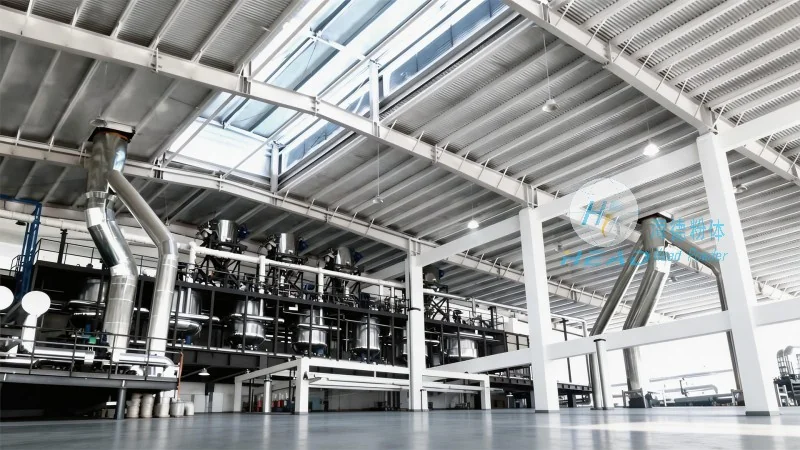
Applications and Benefits of Pneumatic Dust Removal Systems
Pneumatic dust removal systems find extensive applications in industries where dust and particulate matter are prevalent, such as metalworking, woodworking, pharmaceuticals, and food processing. In metalworking, for example, these systems effectively capture metal shavings and chips from grinding and cutting operations, preventing them from contaminating the workspace and reducing health risks for workers. In woodworking, the systems remove sawdust and wood particles, maintaining a clean and safe environment while improving product quality. The benefits of implementing pneumatic dust removal systems extend beyond environmental compliance; they also enhance worker safety by reducing exposure to airborne contaminants, which can cause respiratory issues and other health problems. Additionally, these systems contribute to improved productivity by maintaining a dust-free workspace, as clean air allows for better visibility and reduced equipment wear. The energy efficiency of pneumatic systems also leads to cost savings, as they consume less power compared to traditional dust collection methods. Overall, the adoption of pneumatic dust removal systems represents a strategic investment in both environmental responsibility and operational excellence.