

Working Principle and Features of Automatic Weighing and Pneumatic Conveying Systems for Ingredient
Automatic weighing and pneumatic conveying systems are integral components in modern industrial processes, particularly in the pharmaceutical, food, and chemical industries. These systems are designed to handle the precise measurement and transport of bulk materials with high efficiency and accuracy. The integration of automatic weighing technology with pneumatic conveying ensures that ingredients are delivered to production lines in controlled quantities, minimizing waste and optimizing operational performance. This article explores the working principles and key features of such systems, highlighting their importance in maintaining quality standards and operational efficiency. Developed by Shandong HeadPowder Engineering Co., Ltd. (headpowder), these systems represent the latest advancements in industrial material handling technology.
Working Principle of Automatic Weighing Systems
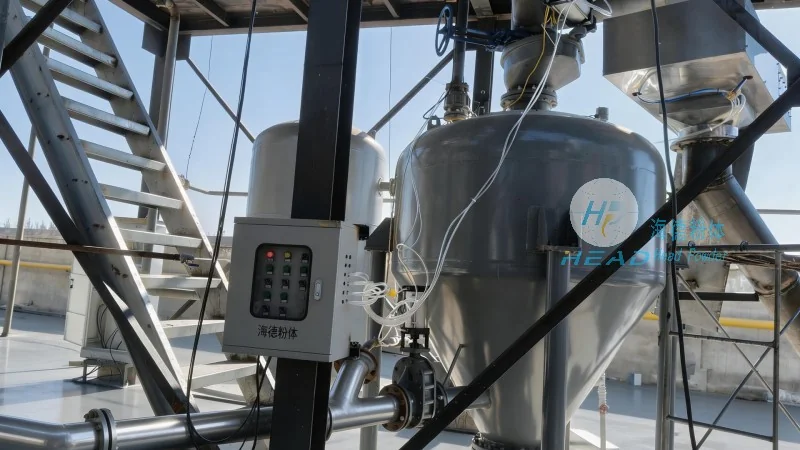
The core of an automatic weighing system lies in its ability to measure the mass of ingredients with high precision. Typically, these systems utilize load cells or strain gauges to detect the weight of material placed on a weighing platform. The system then processes this data through a digital controller, which compares the measured weight against a pre-set target weight. When the target is reached, the system triggers the next step in the process, such as the activation of a pneumatic conveying device. The automatic weighing process ensures that each batch of ingredients is measured consistently, reducing human error and enhancing repeatability. For instance, in the food industry, precise weighing is crucial for maintaining the correct formulation of products, while in the pharmaceutical sector, it is vital for ensuring compliance with regulatory standards.
Working Principle of Pneumatic Conveying Systems
Pneumatic conveying systems operate by using air or other gases to transport bulk materials from one location to another. The system typically consists of a hopper, a conveyor line, and a receiver. The material is first loaded into the hopper, where it is then fed into the conveyor line through a rotary valve or a feeder. The air is introduced into the conveyor line, creating a flow that moves the material along the pipeline. The velocity and pressure of the air are carefully controlled to ensure that the material is conveyed efficiently without causing blockages or degradation. The receiver at the end of the line collects the material, which is then ready for the next stage of processing. This method of conveying is particularly advantageous for materials that are dusty, abrasive, or require a sterile environment, as it minimizes direct contact with the material and reduces the risk of contamination.
Key Features of Automatic Weighing and Pneumatic Conveying Systems
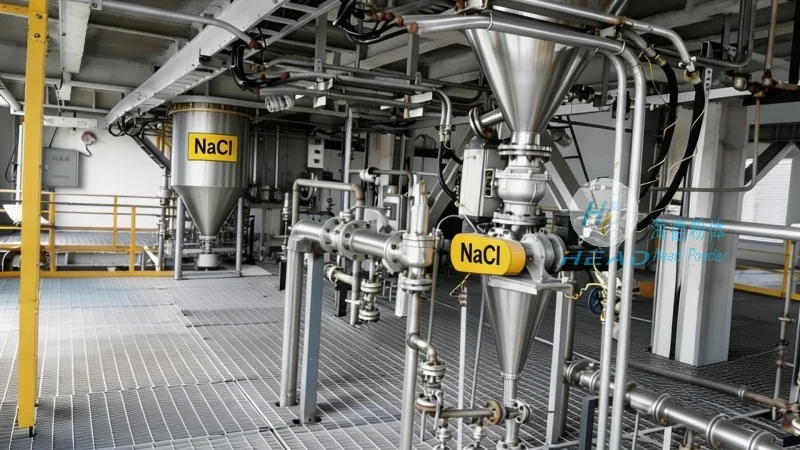
Several key features distinguish these systems from traditional manual or semi-automated methods. First, the integration of automatic weighing with pneumatic conveying allows for real-time monitoring and control of the material flow. This enables operators to adjust the system parameters on the fly, ensuring that the production process remains stable and efficient. Second, the systems are equipped with advanced sensors and control algorithms that enhance accuracy and reliability. For example, some systems use multiple load cells to cross-check the weight measurement, providing redundancy and improving overall system performance. Third, the systems are designed for easy maintenance and cleaning, which is critical in industries where hygiene is paramount. The modular design allows for quick replacement of components, reducing downtime and maintenance costs. Fourth, the systems are highly scalable, capable of handling a wide range of material types and volumes. This flexibility makes them suitable for both small-scale and large-scale production facilities.
Applications in Different Industries
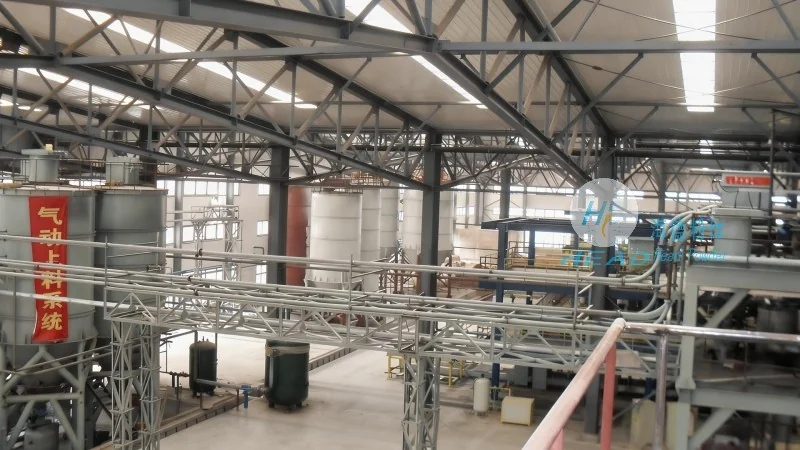
The versatility of automatic weighing and pneumatic conveying systems makes them applicable across various industries. In the pharmaceutical industry, these systems are used to handle active pharmaceutical ingredients (APIs) and excipients, ensuring that each batch is measured and conveyed with precision. The sterile design of the equipment is essential to prevent contamination, which is a critical factor in drug manufacturing. In the food industry, the systems are used to process ingredients such as flour, sugar, and spices, maintaining the quality and consistency of food products. The ability to handle different material properties, such as moisture content and particle size, is a key advantage. In the chemical industry, these systems are used to transport powders and granules, which may be hazardous or reactive. The systems are designed to handle these materials safely, with features such as explosion-proof designs and material compatibility.
Benefits and Advantages
Implementing automatic weighing and pneumatic conveying systems offers numerous benefits to industrial operations. One of the primary advantages is the significant reduction in human error, as the system performs the weighing and conveying tasks automatically. This leads to improved product quality and consistency, as each batch is processed under the same conditions. Another benefit is the increase in operational efficiency. The systems can operate continuously, with minimal downtime for maintenance, allowing for higher production throughput. Additionally, the systems help in reducing material waste by ensuring that only the exact amount of material needed is used. This not only saves costs but also contributes to environmental sustainability. Furthermore, the systems provide real-time data and analytics, enabling managers to monitor performance and make informed decisions. This data can be used to optimize the production process, identify bottlenecks, and improve overall operational efficiency.