Monosodium glutamate (MSG), a widely used flavor enhancer in the food industry, requires efficient and reliable handling systems to ensure its safe and effective transportation. The pneumatic conveying system, as a core component of such equipment, plays a crucial role in the processing and distribution of MSG. This article will delve into the working principle and key features of the monosodium glutamate pneumatic conveying system, providing insights into its operational mechanics and technological advantages.
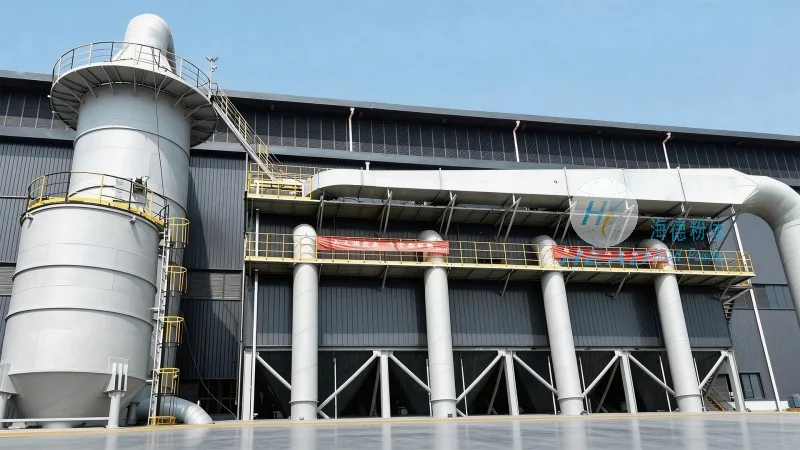
Introduction to Monosodium Glutamate Pneumatic Conveying Systems
The monosodium glutamate pneumatic conveying system is a specialized piece of equipment designed to transport MSG powder through a pipeline using air or other gas as the conveying medium. This system is essential in food processing facilities, as it enables the safe and efficient movement of MSG from storage silos to processing lines or packaging areas. The system typically consists of several key components, including a hopper, a rotary valve, a conveyor line, and a receiver, all working in tandem to achieve seamless material transport.
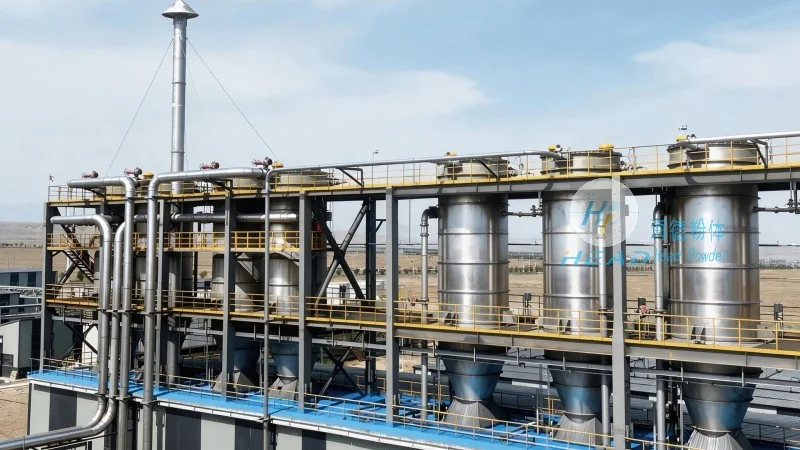
Working Principle of the Pneumatic Conveying System
The core working principle of the monosodium glutamate pneumatic conveying system revolves around the creation of a pressure differential between the hopper and the receiver. When the system is activated, a fan or blower generates a flow of air within the conveyor line. The air flow draws the MSG powder from the hopper, where it is fed into the line via a rotary valve. The powder is then carried through the pipeline by the moving air, reaching the receiver at the other end. The system can operate in either positive pressure or negative pressure modes, depending on the specific requirements of the application. Positive pressure systems force air and material through the line, while negative pressure systems create a vacuum to pull the material. For MSG, a positive pressure system is often preferred due to its ability to maintain consistent flow rates and prevent contamination from external air.
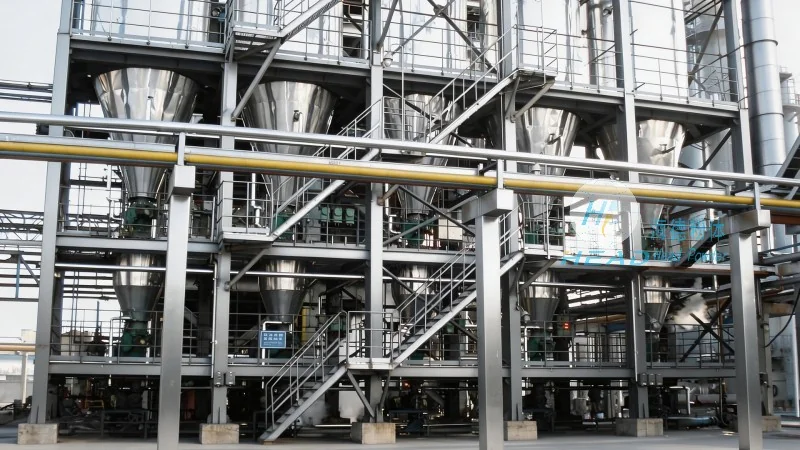
Key Features of the Equipment
The monosodium glutamate pneumatic conveying system is characterized by several features that enhance its performance and reliability. Firstly, the system is designed to handle fine powders like MSG without causing blockages or degradation. The use of a rotary valve ensures a controlled and continuous feed of material, preventing overfilling or underfilling. The conveyor line is typically made of corrosion-resistant materials, such as stainless steel, to withstand the chemical properties of MSG and ensure long-term durability. Additionally, the system incorporates dust collection and filtration systems to maintain air quality and comply with environmental regulations. The receiver is equipped with a discharge valve to allow for easy unloading of the transported MSG. Another notable feature is the system's ability to operate in a closed loop, minimizing material loss and contamination risks. This is particularly important for MSG, as it is a high-value product that requires strict quality control.
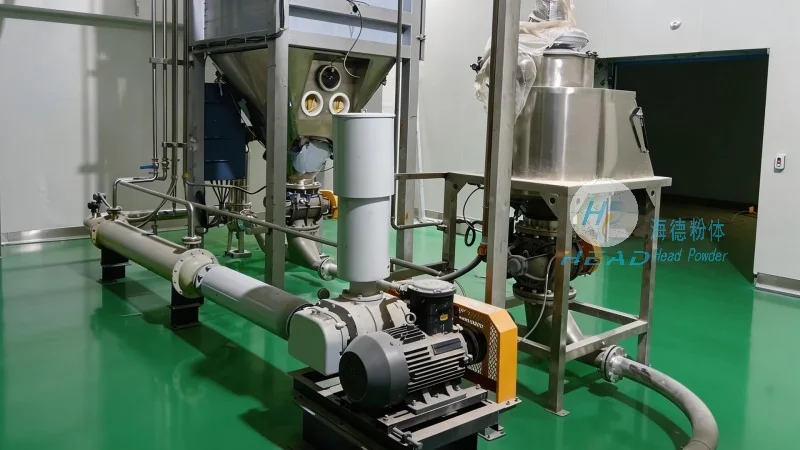
Company Overview: Shandong HeadPowder Engineering Co., Ltd.
Shandong HeadPowder Engineering Co., Ltd., commonly known as HeadPowder, is a leading manufacturer and supplier of pneumatic conveying systems and related equipment for the food industry. With a strong focus on quality and innovation, the company has established itself as a trusted partner for food processing facilities worldwide. HeadPowder's expertise lies in designing and manufacturing customized pneumatic conveying systems tailored to the specific needs of clients, ensuring optimal performance and efficiency. The company's facilities are equipped with advanced technology and skilled personnel, enabling the production of high-quality equipment that meets international standards. HeadPowder's commitment to customer satisfaction and product excellence has earned it a reputation as a reliable and professional supplier in the industry. The company's headquarters is located in Shandong, China, where it continues to develop and improve its products to meet the evolving demands of the food processing sector.




